Is work health and safety “woke”?

Occupational health and safety (OHS) has always been progressive in that its purpose is to prevent harm to workers and people. It has lost its way sometimes and its effectiveness diluted at other times, but its core purpose has remained. At the moment, there is an ideological, political and cultural resistance to progressive structures and ideas that is often criticised as being “woke”. Woke has an evolving meaning, but it seems to mean well-intended but ineffective.

Recently Australian academic Carl Rhodes examined “woke capitalism” in a new book. Refreshingly Rhodes provides an analysis of woke capitalism rather than a rabid critique. OHS is not the focus of this book (when is it ever?), but his research and perspectives are relevant to how OHS is practiced and the level of influence we believe it deserves.


Subscribe to SafetyAtWorkBlog to continue reading.
Subscribe Help
Already a member? Log in here

If the research is clear, why aren’t employers reacting?

Excessive working hours are harmful. This uncomfortable truth was recently spoken by the Harvard Business Review. The changes to prevent this harm is obvious to most of us involved with health and safety but remains uncomfortable to everyone else.

In an article called “The Research is Clear: Long Hours Backfire for People and for Companies, Sarah Green Carmichael posits three reasons for overwork:

Subscribe to SafetyAtWorkBlog to continue reading.
Subscribe Help
Already a member? Log in here

Trade Unions, Cost, Exploitation and Responsibilisation

Trade unions have been the longest and strongest advocates on occupational health and safety (OHS) in Australia. Still, their political influence is falling slower than its declining membership due to structural legacies, of which the tripartite OHS consultation is one. The trade union strategy for OHS was to monetise it so that changes in OHS could be the catalyst for or on which it can piggyback industrial relations (IR) reform. A recent review of the work of Professor Michael Quinlan and a video from United States economist and author Robert Reich illustrates elements of this process.

Subscribe to SafetyAtWorkBlog to continue reading.
Subscribe Help
Already a member? Log in here

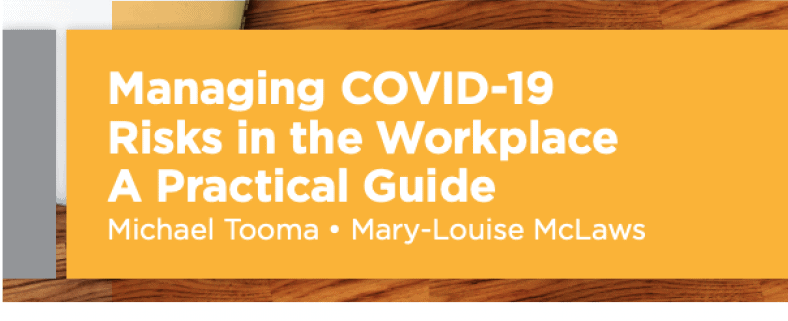
Good COVID OHS book

Late last year, lawyer Michael Tooma and epidemiologist Mary-Louise McLaws published “Managing COVID-19 Risks in the Workplace – A Practical Guide”. Given how COVID-19 is developing variants, one would think that such a hard copy publication would date. However, the book is structured on the occupational health and safety (OHS) obligation of managing risks, and whether the variant is Delta, Omicron or Omega (if we get that far), the OHS principles and risk management hold up.

Subscribe to SafetyAtWorkBlog to continue reading.
Subscribe Help
Already a member? Log in here

Missing the big picture

The Australian Institute of Health and Safety has released a new chapter of its Body of Knowledge project. This chapter is about occupational health and safety management systems. It offers a useful perspective but also identifies several of the general shortcomings of the BoK project.

Subscribe to SafetyAtWorkBlog to continue reading.
Subscribe Help
Already a member? Log in here

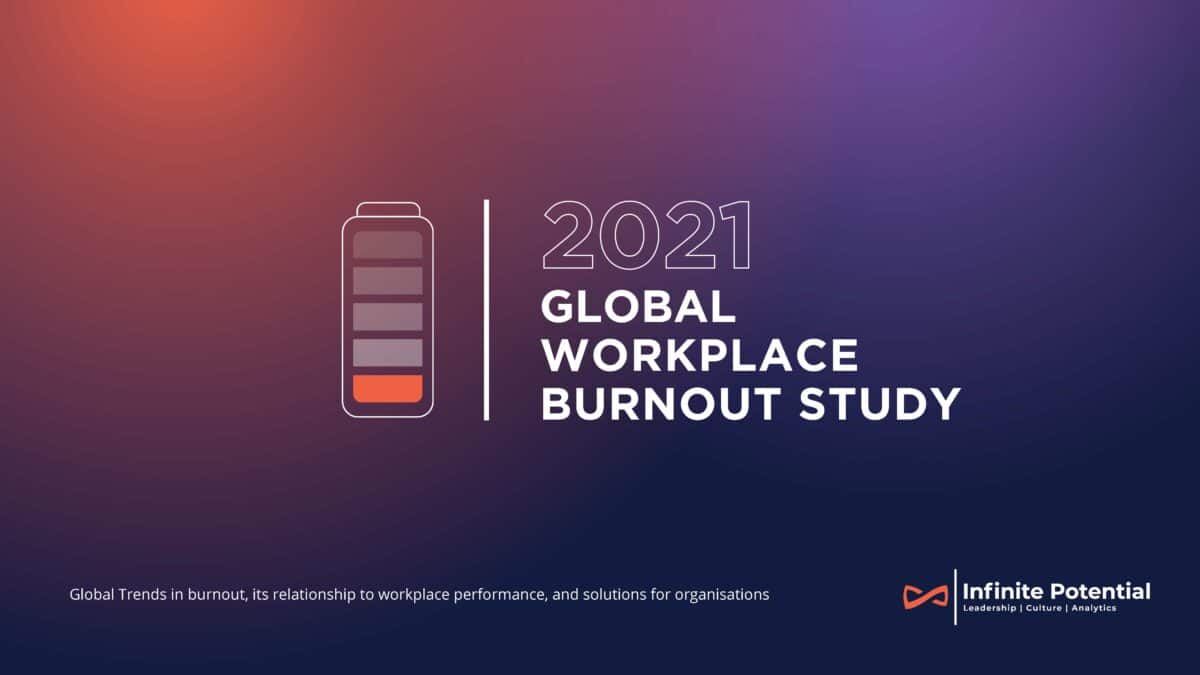
We know how to prevent burnout but we have little desire to change

Probono Australia is reporting that employee burnout is on the rise. Burnout is increasingly being used as an alternative term for mental ill-health or stress at work. The report on which the writer based their article is not surprising, but the recommendations are. The subheading for the article is:

““Structural and cultural shifts, not wellness initiatives, are needed to address the chronic workplace stress of burnout.”

But the article also pulls together other workplace mental health factors:

“The rise of digitisation has brought with it a need to  ‘always be on’ and, with that, employee work-life balance has become harder to maintain. It was this type of ‘24/7 access to employees’ thinking, the study found, that led to burnout.”

Subscribe to SafetyAtWorkBlog to continue reading.
Subscribe Help
Already a member? Log in here

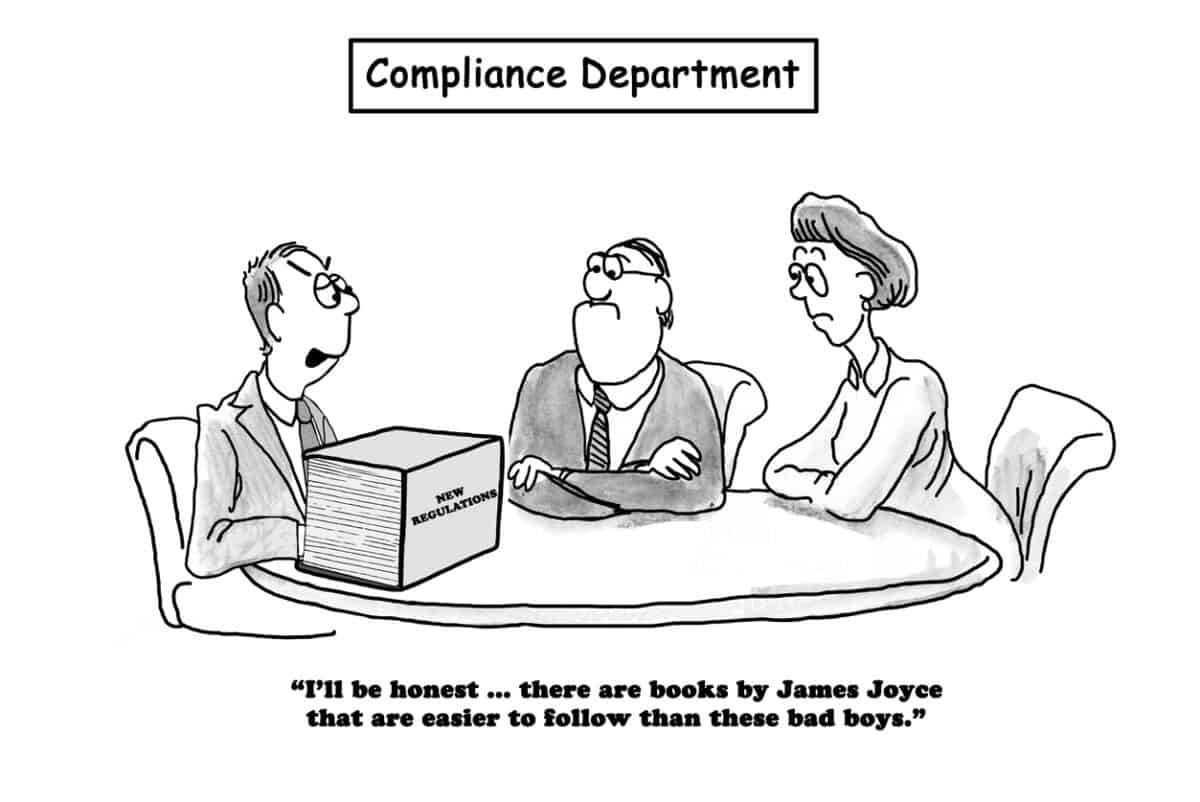
Why is the world “enthusiastic” for regulations?

Unsurprising from a global business magazine, The Economist’s special report on January 15 2002 (paywalled*) bemoaned the new “enthusiasm for regulation”. It clearly includes occupational health and safety (OHS) laws and Australia in its consideration but stops short of asking why this new enthusiasm exists.

Many regulations, especially in OHS, are proposed and introduced to address a wrong or misbehaviour or a new hazard. A major catalyst for Lord Robens‘ OHS laws in the 1970s stemmed from industrial deaths, especially those of the public. The pattern of deaths as a catalyst for change continues today with the Industrial Manslaughter laws, for instance. Another catalyst is new cultural sensitivities; what was tolerated previously is no longer acceptable.

The workplace bullying changes late last century in Australia is a good example, but this also ties in with unacceptable levels of harm. Bullying was often part of the initiation to work and seemed acceptable until workers were severely injured and traumatised, and people found out about it.

Subscribe to SafetyAtWorkBlog to continue reading.
Subscribe Help
Already a member? Log in here
Concatenate Web Development
© Designed and developed by Concatenate Aust Pty Ltd