Wage Theft, Safety Theft and the Cost of Power at Work
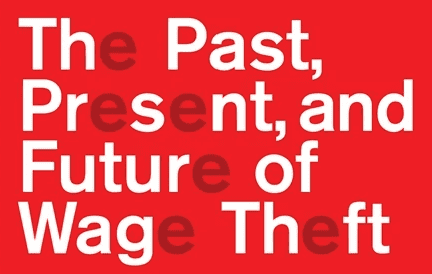
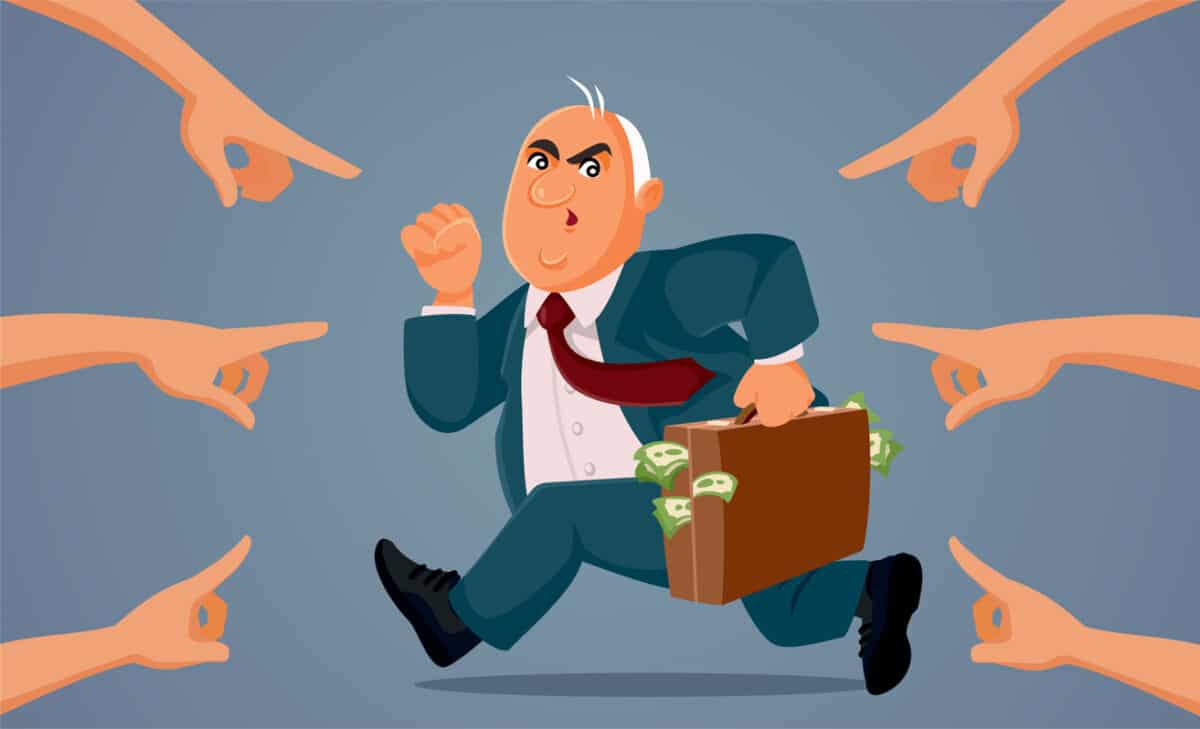
Many researchers in industrial relations, wage theft, and occupational health and safety (OHS) disagree that exploiting workers for profit (wage theft) parallels threats to workers’ health and safety (safety theft). In both circumstances, employers mistreat or disrespect workers. A new book by Matthew Cole, “Unpaid – The Past, Present, and Future of Wage Theft“, may …
Subscribe to SafetyAtWorkBlog to continue reading.
Subscribe Help
Already a member? Log in here

When Burnout Is Framed as a Systems Problem But the Questions Remain Personal

Organisational psychologist John Chan recently launched his company’s 2026 State of Workplace Burnout Report, presenting burnout as a consequence of work design rather than individual resilience. While many of the findings of this grey literature will be familiar to OHS professionals, the audience questions offered interesting insight into how burnout is understood outside the safety …

Subscribe to SafetyAtWorkBlog to continue reading.
Subscribe Help
Already a member? Log in here

Safe Work Australia’s Big Bet on an Expanded OHS System

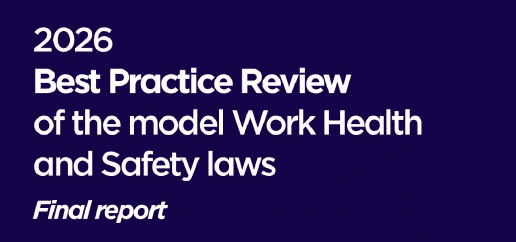
The release of Safe Work Australia’s Best Practice review left me wondering whether Australian work health and safety policy has reached regulatory overreach, or whether it is finally catching up with the realities of contemporary work. Much of the discussion has focused on the report’s individual recommendations. What interests me more is an assumption that …

Subscribe to SafetyAtWorkBlog to continue reading.
Subscribe Help
Already a member? Log in here

Why don’t US employers focus on preventing psychosocial hazards?

Many Australian employers, managers and executives take inspiration from counterparts in the United States. When it comes to occupational mental health, they are looking in the wrong direction and could benefit from looking more locally. But there is merit in evaluating the US perspectives. Below are responses provided by several Artificial Intelligence (AI) agents on … Continue reading “Why don’t US employers focus on preventing psychosocial hazards?”

Safe Work Australia’s Review and the Predictable Politics of OHS Change

The “Best Practice Review of the Model Work Health and Safety Laws” report released by Safe Work Australia (SWA) is a lot to digest. Summaries and initial analyses are already appearing on some LinkedIn and law firm posts, but the report needs careful consideration. The recommendations seem sound, but such things almost always trigger a …

Subscribe to SafetyAtWorkBlog to continue reading.
Subscribe Help
Already a member? Log in here

The HR and OHS divide persists

One of my ongoing frustrations — and this blog is a good example — is that occupational health and safety (OHS) is rarely read or heard outside its own bubble. Yet OHS cannot fix OHS problems on its own. We depend on HR, engineers, accountants, risk managers, IT specialists and others, but we almost never …

Subscribe to SafetyAtWorkBlog to continue reading.
Subscribe Help
Already a member? Log in here

New Industries, Like AI, Treat Regulation Like an Optional Extra

In the movie “Working Girl”, Melanie Griffith’s character reveals how she connected merger opportunities when flipping through a magazine. Today’s Australian Financial Review (AFR) presented a similar set of thoughts on psychosocial hazards and Artificial Intelligence (AI). This connection had the added heft of quotes from prominent Australian lawyer, Michael Tooma....

Subscribe to SafetyAtWorkBlog to continue reading.
Subscribe Help
Already a member? Log in here