Thoughts on tasers and the hierarchy of controls

The Braidwood inquiry report into the use of energy weapons (tasers) is readily available on the internet.  Regular readers of SafetyAtWorkBlog would know that I consider tasers to be a item of personal protective equipment (PPE) for enforcement officers. Determining whether PPE is the most appropriate hazard control measure usually involves the application of the … Continue reading “Thoughts on tasers and the hierarchy of controls”
Is the era of resilient people over?

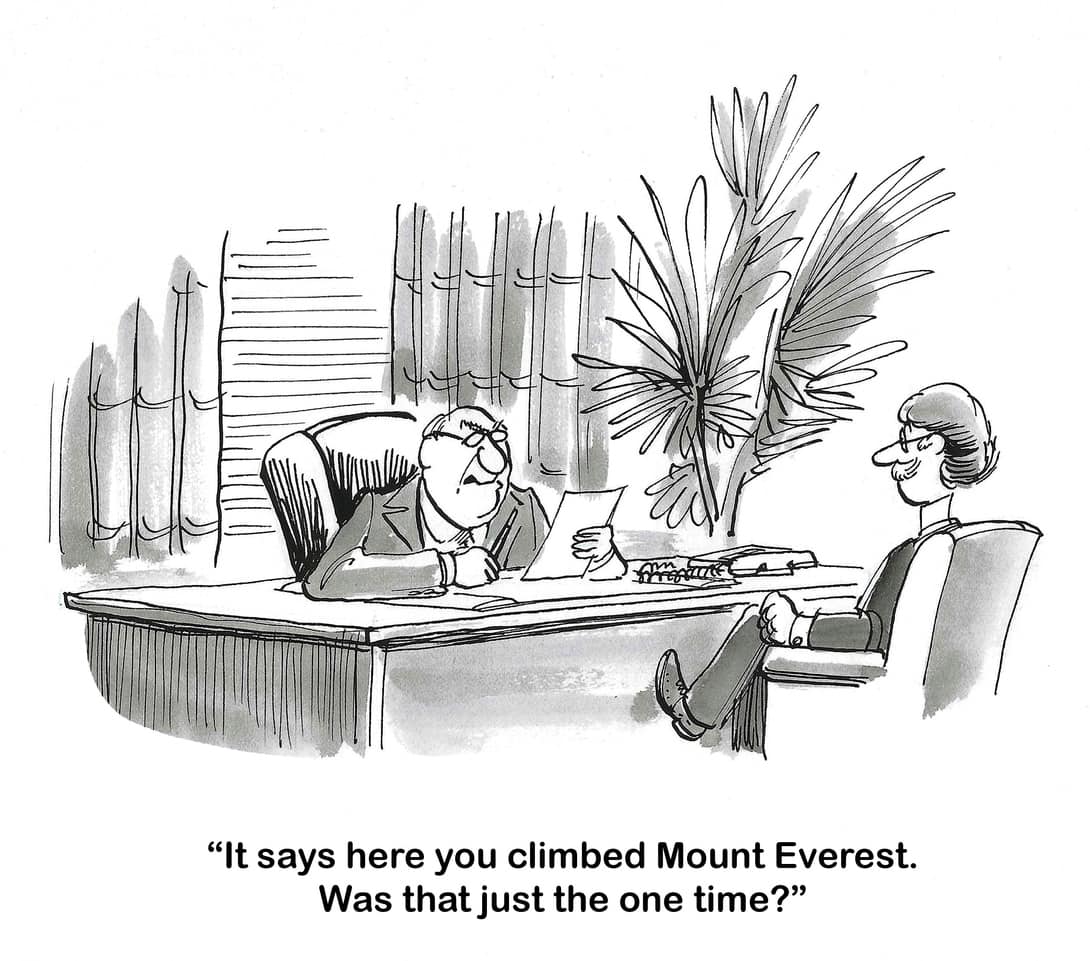
In occupational health and safety (OHS) one hears about resilience usually in terms of psychological health and the ability to cope with stress. Applying a primary focus on resilience to prevent and manage mental health at work has been discredited, but resilience has a broader application and one that echoes the OHS-based concerns....

Subscribe to SafetyAtWorkBlog to continue reading.
Subscribe Help
Already a member? Log in here

Denmark and Australia Compared on Psychosocial Safety

Niru Tyagi recently wrote on LinkedIn about Denmark’s regulatory approach to work-related psychosocial hazards, comparing it the current Australian approach, framing Denmark as creating an industrial obligation. It is a perceptive comparison but downplays the significance in Australia of the criterion of reasonably practicable....

Subscribe to SafetyAtWorkBlog to continue reading.
Subscribe Help
Already a member? Log in here

Victoria’s Psych Safety Code identifies preventions, and HR help will be needed

The release of new psychological safety workplace regulations and guidance in Victoria is a big thing. Partly because this closes the gap, with similar occupational health and safety (OHS) regulations now in place throughout Australia. Partly because Victoria was an early advocate for changes to these workplace hazards, and the government sat on its hands …

Subscribe to SafetyAtWorkBlog to continue reading.
Subscribe Help
Already a member? Log in here

Is it possible to prevent psychosocial hazards?

The Occupational Health and Safety (OHS) legislation states that employers must eliminate hazards as far as is reasonably practicable. If you start your safety journey from this point, you will forever be frustrated in your OHS achievements and disappointed in your job. OHS may be forever linked with laws and regulations, but the safety and …

Subscribe to SafetyAtWorkBlog to continue reading.
Subscribe Help
Already a member? Log in here

Fear, Trust, and the Cost of Control

CCTV cameras on a cash register may deter theft due to the fear of consequences, such as discipline or dismissal, but they also communicate a lack of trust. If the aim is to prevent physical actions like theft, they work.  But can they prevent occupational health and safety (OHS) breaches like sexual abuse in childcare …

Subscribe to SafetyAtWorkBlog to continue reading.
Subscribe Help
Already a member? Log in here

There is no excuse for ignoring pandemic preparation

No one wants to experience another pandemic, yet our governments seem uninterested in preparing for the next inevitable one. Australia was relatively lucky in its death rates, but the COVID-19 pandemic and the government-imposed lockdowns have changed some citizens mentally and philosophically. Vaccines arrived comparatively quickly, an amazing story in itself, reducing the emphasis on …

Subscribe to SafetyAtWorkBlog to continue reading.
Subscribe Help
Already a member? Log in here