A Localised Reassessment of Common Sense

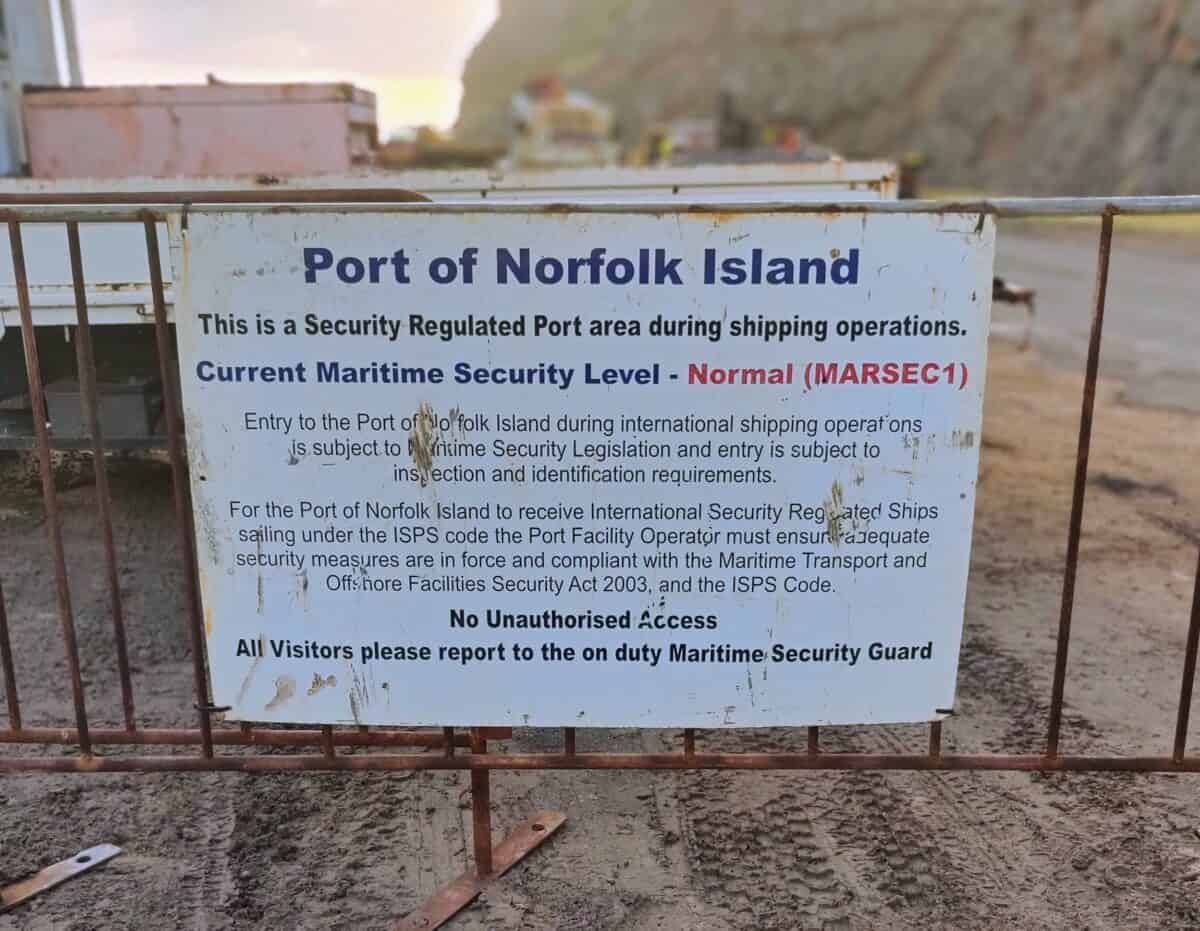
“Common Sense” is a concept all occupational health and safety (OHS) professionals must address, but that doesn’t mean it’s static. My six months on Norfolk Island provided me with a new perspective. In several blog articles on “common sense”, I found the concept a deeply unreliable foundation for OHS because it is subjective, dismissive, and …

Subscribe to SafetyAtWorkBlog to continue reading.
Subscribe Help
Already a member? Log in here

Socioeconomic Determinants of Organisational Behaviour

The Systemic and Socioeconomic Drivers of Bullying that Employers Keep Ignoring Workplace bullying and harassment are often described as interpersonal problems, such as a clash of personalities, a difficult manager, or a “bad apple” who spoils the barrel. This framing is convenient, familiar, and wrong. Bullying is not an individual defect. It is a systemic …

Subscribe to SafetyAtWorkBlog to continue reading.
Subscribe Help
Already a member? Log in here

Safety Work on Norfolk Island Needed a Different Map

Returning to Australia after six months as a health and safety adviser on Norfolk Island has left me thinking hard about what “doing safety” really means in a remote, resource‑tight community. Norfolk Island Regional Council has cycled through several mainland advisers over the years, usually on short contracts and sometimes without an effective handover. That …

Subscribe to SafetyAtWorkBlog to continue reading.
Subscribe Help
Already a member? Log in here

Why the Intergenerational Report Matters More to OHS Than Treasury Realises

This week the Australian Government released its latest Intergenerational Report (IGR). It does not discuss occupational health and safety (OHS) directly, but it does cover some of the socioeconomic factors within which OHS must be managed. The report’s projections on ageing, labour supply, climate, care demand, migration and fiscal pressure shift safety from a narrow …

Subscribe to SafetyAtWorkBlog to continue reading.
Subscribe Help
Already a member? Log in here

There is a Duty of Care But No Duty to Act

Australian work health and safety (WHS) law rests on the deceptively simple proposition that those who create or control risks must eliminate them, or reduce them so far as is reasonably practicable. It is a neat legal phrase that also hides much of the workplace reality. Anyone who has spent time in workplaces knows how …

Subscribe to SafetyAtWorkBlog to continue reading.
Subscribe Help
Already a member? Log in here

The Work-From-Home Right Meets Business Group Anxiety

Based on mainstream media reports of the working-from-home (WFH) debate in Victoria over the last few weeks, Victorian politics has fractured over the proposal to give most employees a right to work from home two days a week. The politics of the WFH initiative came to the fore, even if occupational health and safety (OHS) …

Subscribe to SafetyAtWorkBlog to continue reading.
Subscribe Help
Already a member? Log in here

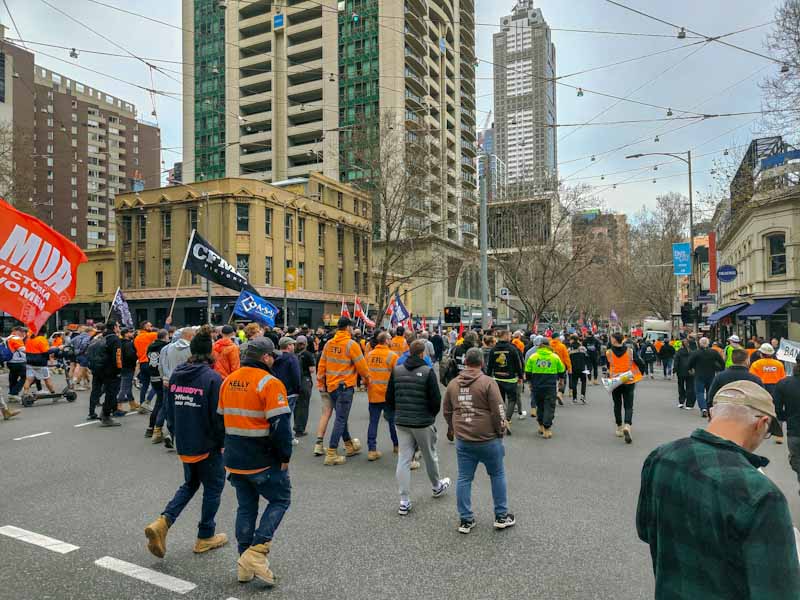
Trade unions, OHS and the hard question of representation

Trade unions have always had a substantial role in Australian occupational health and safety (OHS), particularly in the construction industry. That role should not be dismissed, minimised or romanticised. The history of union involvement in workplace safety is one of pressure, persistence and, at times, confrontation. But the more difficult question is whether trade unions …

Subscribe to SafetyAtWorkBlog to continue reading.
Subscribe Help
Already a member? Log in here