Billable Hours, Suicide Risk and the Professional Class’s Blind Spot
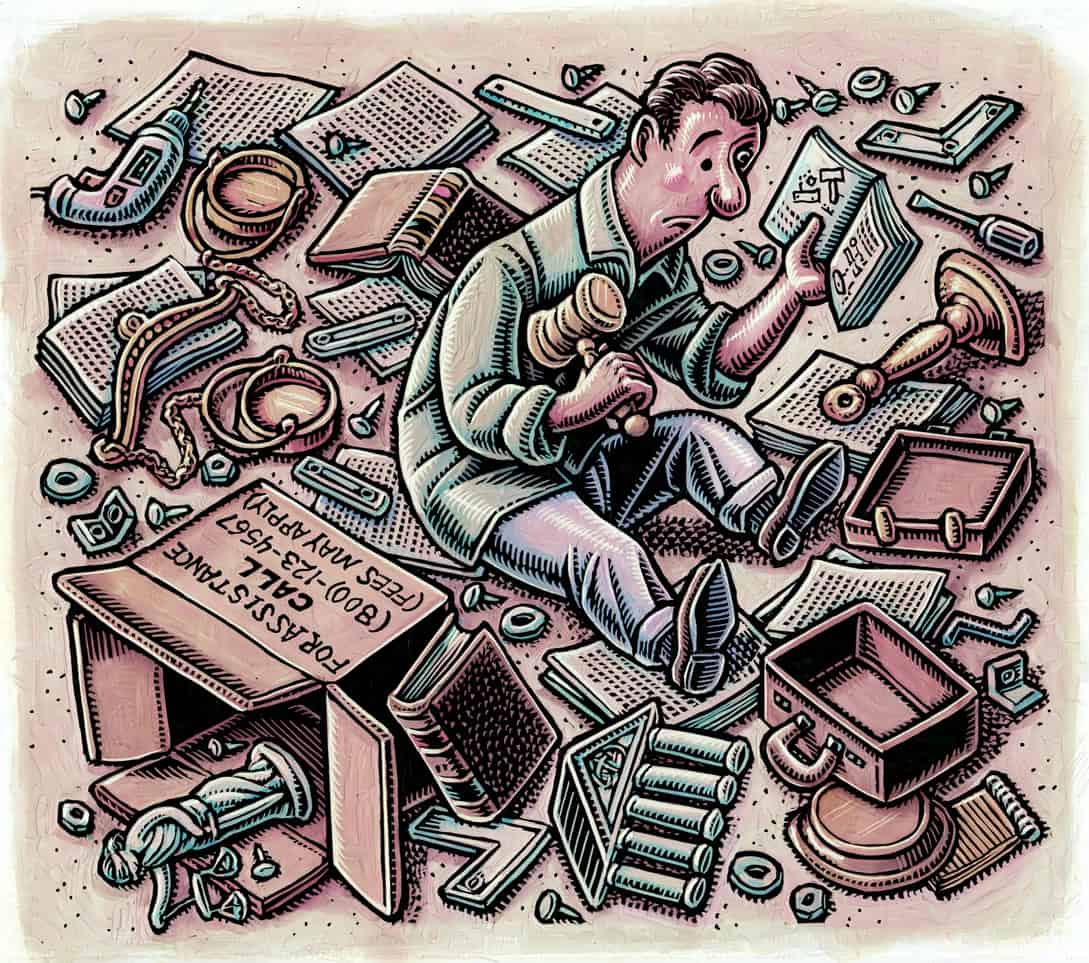
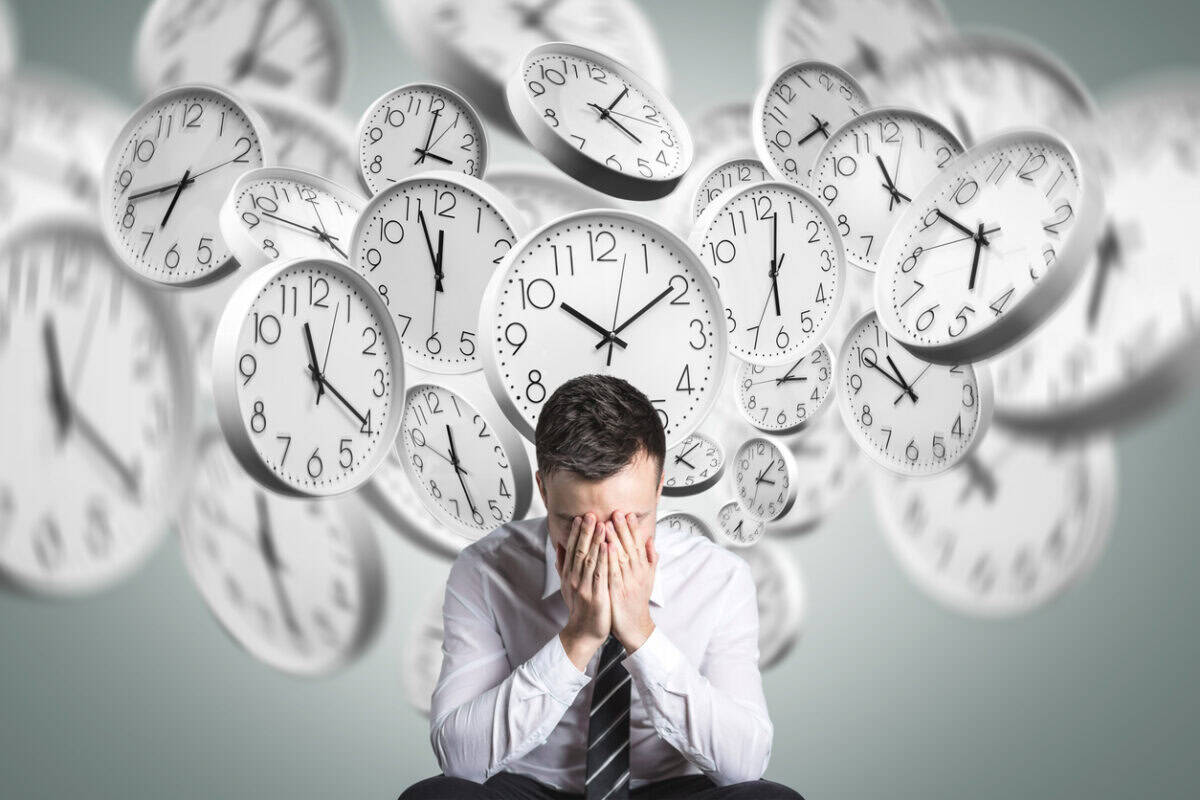
The legal profession has spent decades asking why lawyers are burning out, becoming depressed and leaving practice. The newly released Mental Health and Wellbeing in Legal Workplaces: A Global Guide may have inadvertently provided the answer. As is becoming clear elsewhere, the “mental health crisis” is less a psychological problem than an organisational and systemic …
Subscribe to SafetyAtWorkBlog to continue reading.
Subscribe Help
Already a member? Log in here

Why don’t US employers focus on preventing psychosocial hazards?

Many Australian employers, managers and executives take inspiration from counterparts in the United States. When it comes to occupational mental health, they are looking in the wrong direction and could benefit from looking more locally. But there is merit in evaluating the US perspectives. Below are responses provided by several Artificial Intelligence (AI) agents on … Continue reading “Why don’t US employers focus on preventing psychosocial hazards?”

Rethinking Safety by Focusing on the Risks We Rarely See

Recent Nordic research has dropped a number that should unsettle Australia’s safety regulators: fatal workplace incidents make up only 1% of work‑related deaths. If similar proportions apply here, our entire inspection and prevention model is pointed at the wrong end of the problem....

Subscribe to SafetyAtWorkBlog to continue reading.
Subscribe Help
Already a member? Log in here

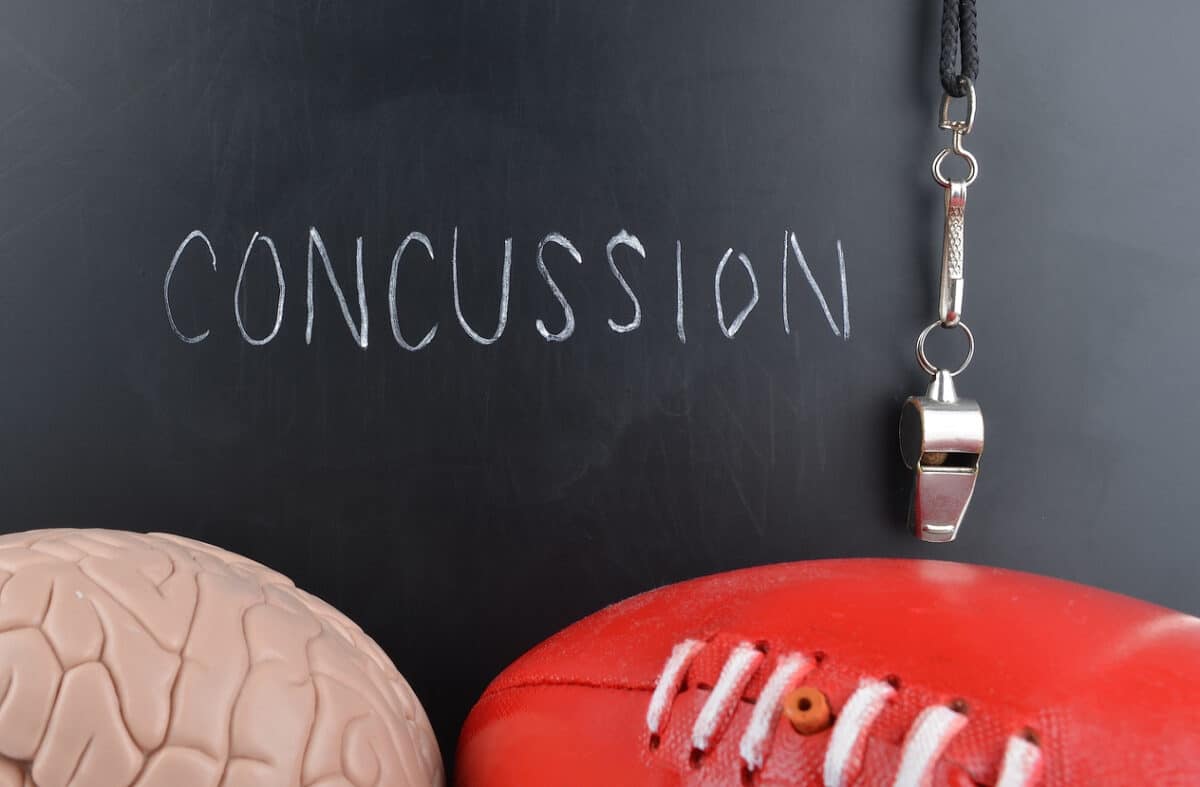
AFL, CTE and SFAIRP: When “the rough and tumble” becomes a foreseeable harm

The death of 23‑year‑old footballer Nick Lowden should force the Australian Football League (AFL) and every sporting body that claims to care about player welfare to confront the fact that the risks of brain injury in Australian football are no longer mysterious, emerging, or debatable. They are foreseeable, documented, and cumulative. And once a risk …

Subscribe to SafetyAtWorkBlog to continue reading.
Subscribe Help
Already a member? Log in here

Soldiering on to Burnout is Nonsense, Unsafe and Unwise

One of the best summaries of burnout was an article in The Guardian on February 15 2026, written by Zing Tsjeng, titled “Facing meltdown? Over 75% of people suffer from burnout – here’s what you need to know” (paywalled). It has its flaws, but the selection of sources, including Christina Maslach, is impressive....

Subscribe to SafetyAtWorkBlog to continue reading.
Subscribe Help
Already a member? Log in here

Workism: Australia’s Most Socially Acceptable Form of Self‑Harm

Safe Work Australia states that : “A psychosocial hazard is anything that could cause psychological harm (e.g. harm someone’s mental health).” Preventing these hazards is most effective and sustainable through redesigning work, but this approach should not deny that personal decisions can also be hazardous. In the broader social and occupational contexts, it is worth …

Subscribe to SafetyAtWorkBlog to continue reading.
Subscribe Help
Already a member? Log in here

What the Evidence Really Says About Working from Home

The chairwoman of Australia’s Productivity Commission, Danielle Woods, produced an op-ed in an Australian newspaper on 30 October 2025 about working from home. In this contentious workplace matter, Woods referred to evidence several times that the newspaper format does not readily allow for. Below are links to that important evidence and some analysis....

Subscribe to SafetyAtWorkBlog to continue reading.
Subscribe Help
Already a member? Log in here