Wage Theft, Safety Theft and the Cost of Power at Work
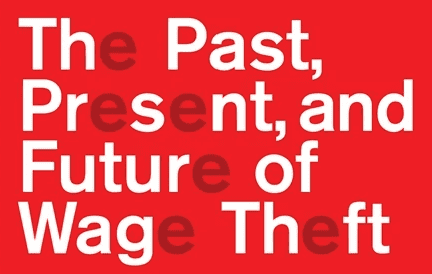
Many researchers in industrial relations, wage theft, and occupational health and safety (OHS) disagree that exploiting workers for profit (wage theft) parallels threats to workers’ health and safety (safety theft). In both circumstances, employers mistreat or disrespect workers. A new book by Matthew Cole, “Unpaid – The Past, Present, and Future of Wage Theft“, may …

Subscribe to SafetyAtWorkBlog to continue reading.
Subscribe Help
Already a member? Log in here

The Rigged System Behind Workplace Injury and Illness

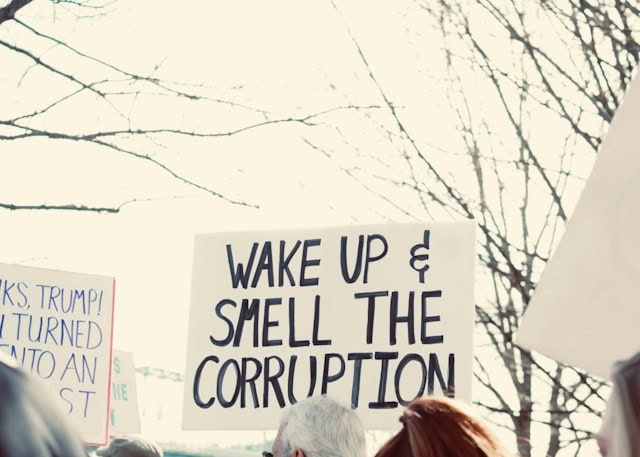
At the time of writing, it looks like the Democrats in the United States are smashing the Republicans and President Trump in the mid-term elections. One of the earliest winners was Democrat Jon Ossoff. His campaign strategy, focused on calling out presidential and political corruption, seems to have worked. This strategy of blunt honesty could …

Subscribe to SafetyAtWorkBlog to continue reading.
Subscribe Help
Already a member? Log in here

What “safety” can learn from “curry”

Asma Khan’s criticism of the word “curry” in a recent Instagram post offers an unexpected warning for occupational health and safety (OHS) people, and me in particular. A convenient collective term can make a complex subject easier to discuss, but it can also strip away its layers. In much the same way, “safety” is routinely …

Subscribe to SafetyAtWorkBlog to continue reading.
Subscribe Help
Already a member? Log in here

Safe Work Australia’s Big Bet on an Expanded OHS System

The release of Safe Work Australia’s Best Practice review left me wondering whether Australian work health and safety policy has reached regulatory overreach, or whether it is finally catching up with the realities of contemporary work. Much of the discussion has focused on the report’s individual recommendations. What interests me more is an assumption that …

Subscribe to SafetyAtWorkBlog to continue reading.
Subscribe Help
Already a member? Log in here

Why don’t US employers focus on preventing psychosocial hazards?

Many Australian employers, managers and executives take inspiration from counterparts in the United States. When it comes to occupational mental health, they are looking in the wrong direction and could benefit from looking more locally. But there is merit in evaluating the US perspectives. Below are responses provided by several Artificial Intelligence (AI) agents on … Continue reading “Why don’t US employers focus on preventing psychosocial hazards?”

Procurement as Safety Policy? The ACT’s Construction Culture Experiment

The culture standard for the construction industry has been discussed for several years. Trials have been conducted, and the results were positive, but the value of this standard has always depended on someone powerful implementing it in practice. Last year the Australian Capital Territory (ACT) Government embedded it into public-project procurement, arguing that government purchasing …

Subscribe to SafetyAtWorkBlog to continue reading.
Subscribe Help
Already a member? Log in here