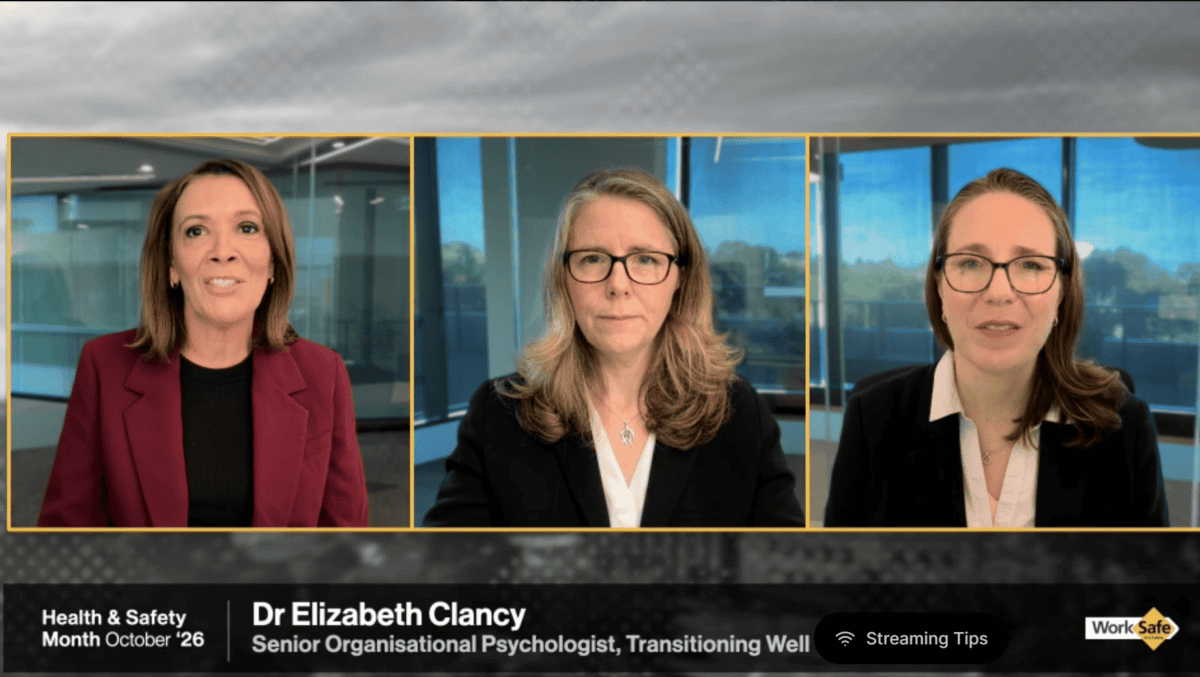
Wellbeing programs and resilience training can support employees, but they aren’t a substitute for addressing workplace risks at their source. That was a key message from WorkSafe Victoria’s webinar on psychological health and safety for small and medium businesses.
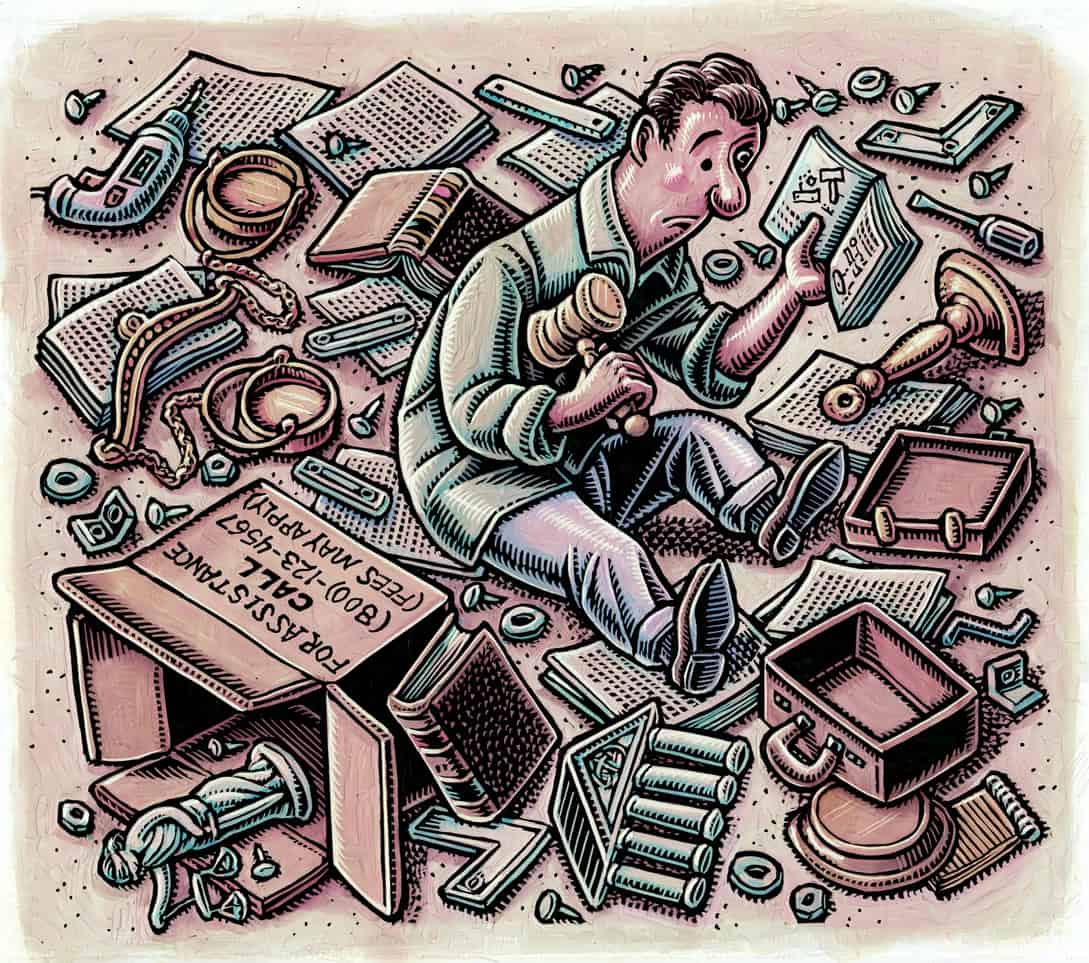
Billable Hours, Suicide Risk and the Professional Class’s Blind Spot
The legal profession has spent decades asking why lawyers are burning out, becoming depressed and leaving practice. The newly released Mental Health and Wellbeing in Legal Workplaces: A Global Guide may have inadvertently provided the answer. As is becoming clear elsewhere, the “mental health crisis” is less a psychological problem than an organisational and systemic one, even in a profession with a strong institutional culture, high legislative awareness and a sense of sophistication.

What “safety” can learn from “curry”
Asma Khan’s criticism of the word “curry” in a recent Instagram post offers an unexpected warning for occupational health and safety (OHS) people, and me in particular. A convenient collective term can make a complex subject easier to discuss, but it can also strip away its layers. In much the same way, “safety” is routinely asked to encompass machinery, chemicals, occupational disease, fatigue, bullying, violence, excessive workloads and other physical and psychological hazards.
The problem is not necessarily the word. The problem arises when the umbrella becomes the entire explanation.
Safe Work Australia’s Big Bet on an Expanded OHS System
The release of Safe Work Australia’s Best Practice review left me wondering whether Australian work health and safety policy has reached regulatory overreach, or whether it is finally catching up with the realities of contemporary work.
Much of the discussion has focused on the report’s individual recommendations. What interests me more is an assumption that seems to underlie almost every recommendation: that occupational health and safety (OHS) should become the nation’s principal framework for preventing workplace harm in all its forms, not merely physical and psychological injury.

Why don’t US employers focus on preventing psychosocial hazards?
Many Australian employers, managers and executives take inspiration from counterparts in the United States. When it comes to occupational mental health, they are looking in the wrong direction and could benefit from looking more locally. But there is merit in evaluating the US perspectives.
Below are responses provided by several Artificial Intelligence (AI) agents on my own PC to the question in this article’s title. There is considerable overlap in many, but I start off with the most confronting response, provided by the World Socialist Web Site‘s Socialism AI:
Continue reading “Why don’t US employers focus on preventing psychosocial hazards?”
Procurement as Safety Policy? The ACT’s Construction Culture Experiment
The culture standard for the construction industry has been discussed for several years. Trials have been conducted, and the results were positive, but the value of this standard has always depended on someone powerful implementing it in practice. Last year the Australian Capital Territory (ACT) Government embedded it into public-project procurement, arguing that government purchasing power can drive improvements in wellbeing, diversity and psychological safety across the construction sector.
Safe Work Australia’s Review and the Predictable Politics of OHS Change
The “Best Practice Review of the Model Work Health and Safety Laws” report released by Safe Work Australia (SWA) is a lot to digest. Summaries and initial analyses are already appearing on some LinkedIn and law firm posts, but the report needs careful consideration. The recommendations seem sound, but such things almost always trigger a knee-jerk reaction from business groups, driven by ideological objections and concerns about increased business costs. I suspect we will see some of this objection in the media over the next few days.