

Australia has held an annual “Go Home on Time Day” for many years, but the amount of unpaid work workers give to their employers and the time their families miss out on remains high. Looking at new data in light of the legislative need for Australian employers to identify and assess psychosocial hazards, there are noticeable changes that employers need to make to comply with their occupational health and safety (OHS) obligations.
Author: Kevin Jones
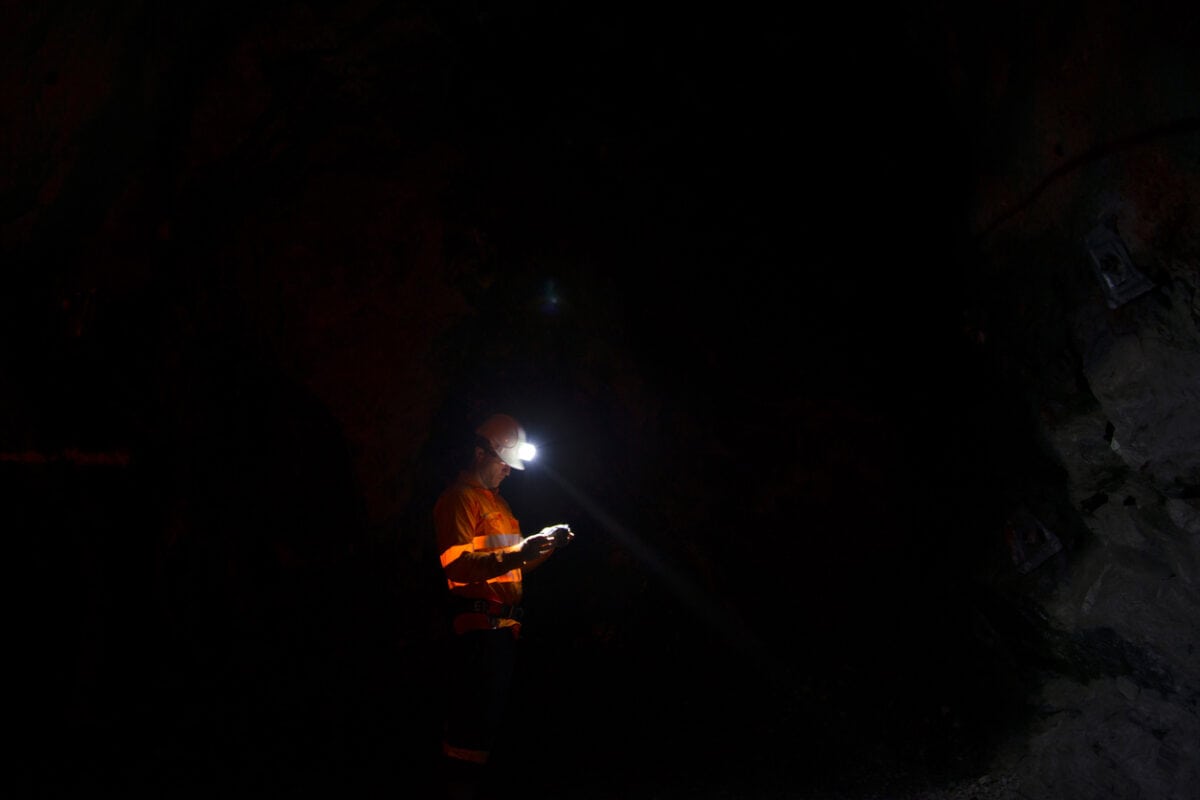
Paved with gold and lined with threats
Sexual harassment in Australia’s fly-in, fly-out (FIFO) female mining workforce is well-established after several official inquiries. Sadly, it appears that some of the European holiday visa workers were not aware of the risks, according to a report in The Observer newspaper on November 14, 2025.

The HSR Obsession that Skews OHS Reform
Safe Work Australia has many submissions to its Best Practice Review after a very slow start. Consultation has been extended to the end of November 2025. A curious request appeared by email invitation on November 14, 2025, developed in conjunction with the Australian Council of Trade Unions (ACTU).
The email says:
“Responses will help shape future improvements to consultation, representation and participation in Australia’s WHS laws. If you’re an HSR [Health and Safety Representative], there’s a short additional section specific to that role.”
I find some of the questions and its focus odd.

Unsafe Back Then, Unsafe Now. Why Leadership Must Change
To truly understand occupational health and safety (OHS) issues, it is necessary to examine OHS concerns beyond one’s own industry. Recently, this blog has reported on some parliamentary debates on OHS in the horse racing industry. The November edition of The Monthly includes an exposé of the OHS of Australia’s horse racing industry by freelance writer, Madison Griffiths, with lessons for all of us on morality, Godliness, accountability and leadership. The article is paywalled but well worth the purchase.
Executives Misread Victoria’s WFH Proposal
The Victorian government’s move to legislate a right to work from home (WFH) at least 2 days per week continues to irritate some Australian executives. So, what is their problem with the proposal of a law that reflects the current practice in most Australian workplaces? Don’t they have other priorities to manage?

Stretching Programs Miss the Mark on Injury Prevention
A recent edition of the Professional Safety Journal from the United States included a cover story about pre-work stretching. This common activity on some construction and manufacturing sites is promoted as a means of preventing injury or reducing the severity of, especially, musculoskeletal injuries, but I don’t think there ever was evidence to support either of these intentions, and there still isn’t.
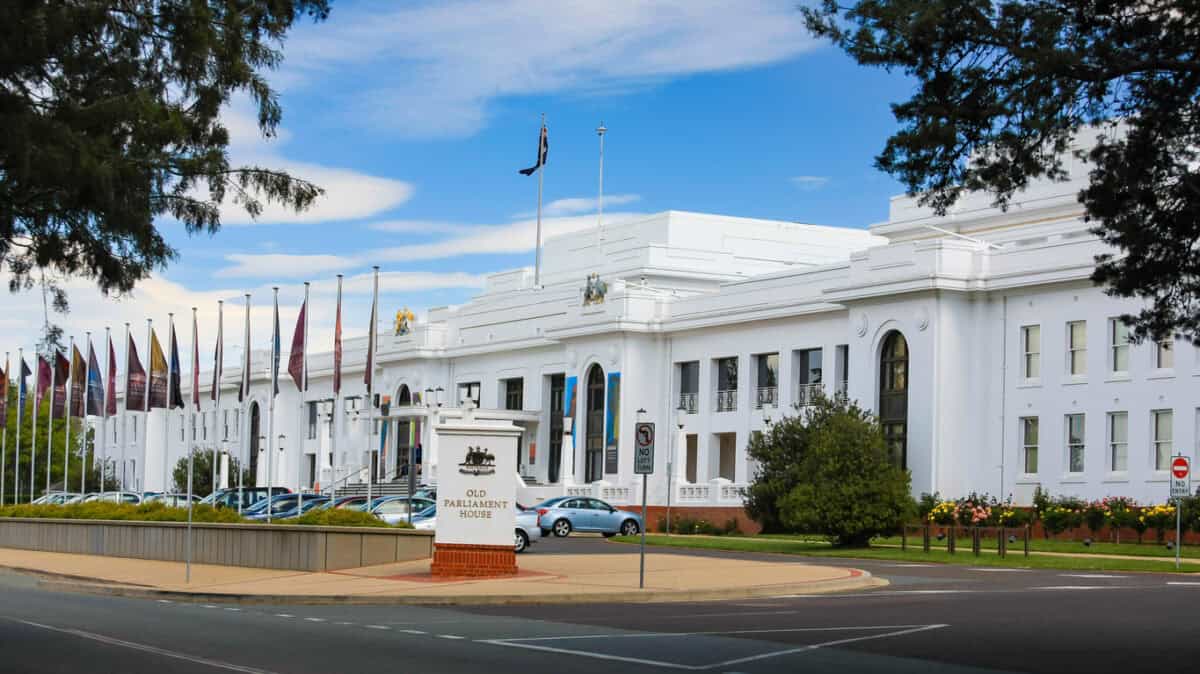
What the Whitlam dismissal meant for workers’ compensation in Australia
The media is providing extensive coverage of the 50th anniversary of the dismissal of the Whitlam government on 11 November 1975. Shortly before that date, Australia came within a whisker of mirroring New Zealand and gaining a national no-fault accident compensation scheme.
This would have provided:
“.a national rehabilitation and compensation scheme for Australia so that all who suffer disabling injuries, whether at home or at work, are provided with adequate income cover.”
Below is an article I wrote about this missed opportunity in October 2014 shortly after Whitlam’s death.