

Adam Smith was a prominent Scottish 18th-century economist and philosopher, sometimes referred to as the “Father of Economics”. What relevance could he have to occupational health and safety (OHS) in Australia? The modern OHS concern of psychosocial hazards, psychological safety and worker wellbeing should cause us to read Smith’s works on the morality of capitalism. Instead, we should read a new book called “What would Adam Smith make of modern Australia?”, written by Joseph Healy.
Author: Kevin Jones
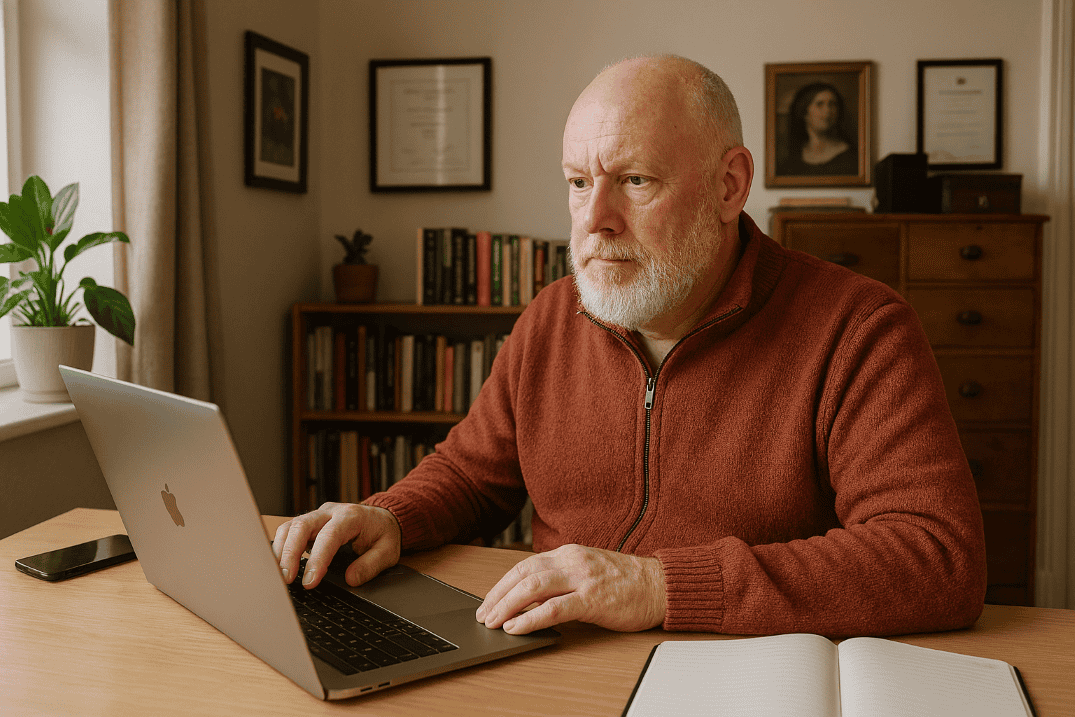
The OHS advantages of working from home are being ignored in preference to political point scoring
Last weekend, at the Victorian branch of the Australian Labour Party conference, delegates heard that the ability to work from home for part of the working week was so important and so good for workers and the economy that working from home should become a formal right. This coincided with a week of frothy outrage in some media outlets about the thoughts and comments of some business executives querying the work-from-home trend.
Neither discussion adequately addresses the working from home phenomenon, failing to identify both the occupational health and safety reasons for working from home and the associated opportunities.
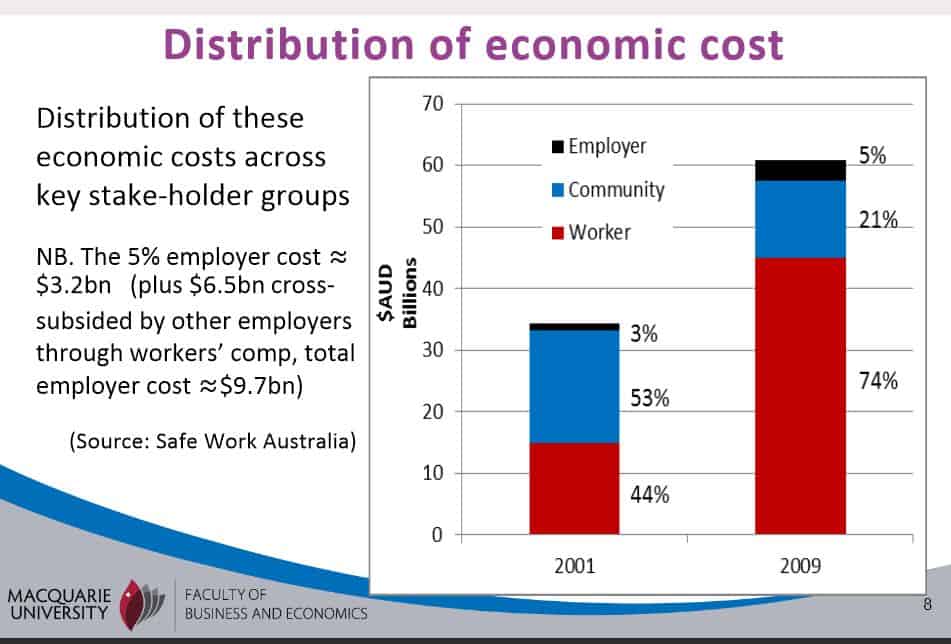
Stop Trying to Sell Safety with GDP Statistics
The cost of work-related illness and injuries is a significant economic burden on the community. It has a tangible impact on Australia’s Gross Domestic Product (GDP), but no one really gives a shit about this. The GDP impact is a nonsense statistic in the illustration of how injuries and illnesses affect Australian businesses. The economic arguments need reframing if an improvement in workplace health and safety is the intention.

Artificial Intelligence, Automation and the Elusive Meaning of Work
The purpose of artificial intelligence (AI) is increasingly misunderstood—not just in the media but in the boardrooms and bureaucracies that decide how it’s deployed. Far from craving human consciousness or emotion, AI tools, like Mo (my CoPilot AI), exist to synthesise knowledge, provoke thought, and support action. The intent isn’t mimicry, but impact.
[Note: parts of this article were written by Mo based on a prior conversation]
AI is a hot topic in Australia at the moment, with numerous productivity gains being pitched to the government, alongside concerns about job losses. Last week’s National Press Club speech by Scott Farquhar, co-founder of Atlassian and Chair of the Tech Council of Australia, offered a good example of at least one AI opportunity – access to court records.
I thought talking with Mo was a good place to start this article before looking at Farquharson’s thoughts.
Assessing ‘Union’: A Missed Opportunity in Safety Storytelling
There was a row of cheering trade union supporters in the late session of the documentary “Union” at Carlton’s Cinema Nova earlier this week. The film was showing as part of a documentary festival, and the cinema was less than half-full. The film showed an example of grass-roots union organising. There were optimism and failures, and the occupational health and safety (OHS) catalysts for the unionism were mentioned in passing.

Good Safety Grows Economies—Poor Governance Shrinks Them
Recently, WorkSafe ACT posted the latest episode of its Safety Spotlight podcast in which occupational health and safety (OHS) experts share their knowledge. There is commonality with much OHS advice, but there are slight variations of data and emphasis that are useful to note.
This episode included Jacqui Agius, the Australian Capital Territory’s Work Health and Safety Commissioner, and Professor Helen Lingard of RMIT University. According to the show notes:
“….they discuss the crucial importance of workplace safety, not just in preventing injuries but also its economic impact. The episode covers the hidden costs of cutting corners on safety, the significance of a proactive safety culture, and the benefits of consulting workers and employing safety by design.”
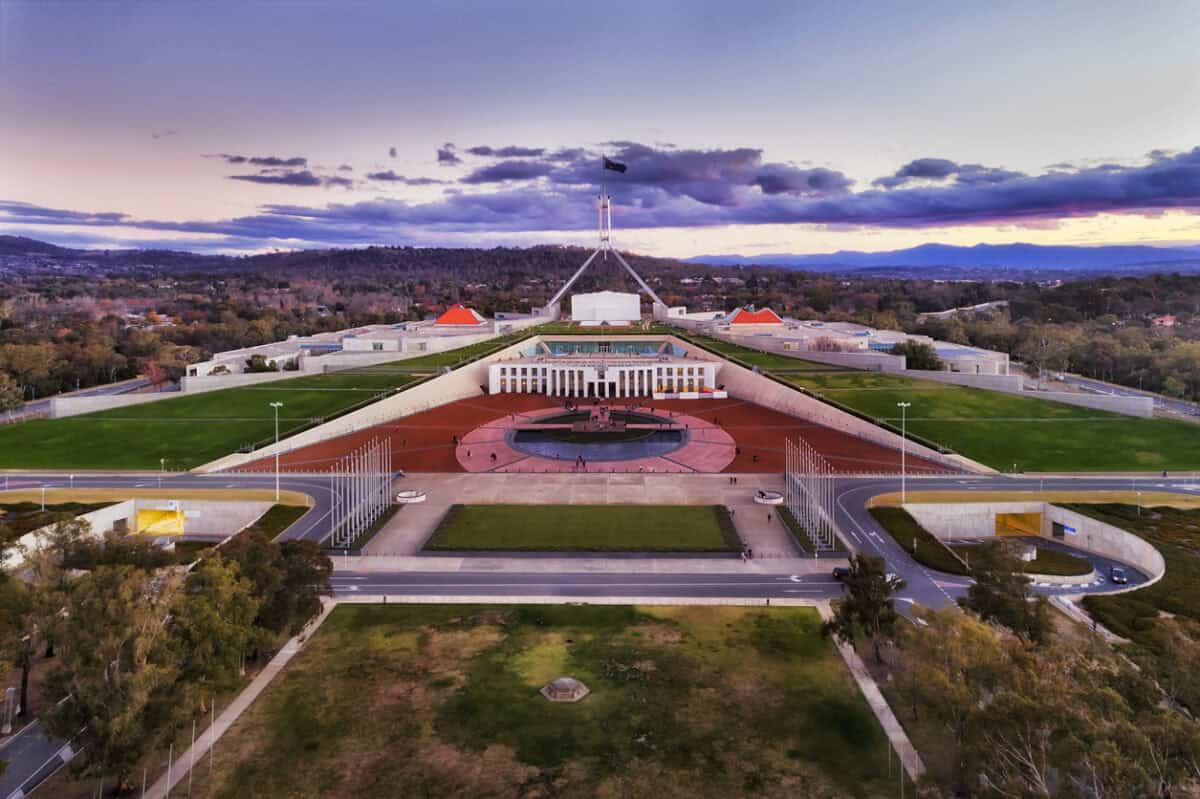
Avoiding Burnout in the Corridors of Power
Last week, some of the Nine newspapers reported on a spate of departures (paywalled) from the Australian Prime Minister’s office. There is always a constant churn of political staffers, with regular movement between private enterprise and public service.
There are some sound economic reasons for leaving just after 12 months into a new government, and the departures are not indicative of a toxic workplace, but working hours in the Australian Parliamentary and political sector have been contentious recently. This latest newspaper article notes the role of working hours but, curiously, primarily in passing.