
One of the most neglected occupational health and safety (OHS) management tools in Australian workplaces is the safety risk register even though they fit well with the renewed emphasis on OHS Due Diligence.
Every OHS professional dreads

One of the most neglected occupational health and safety (OHS) management tools in Australian workplaces is the safety risk register even though they fit well with the renewed emphasis on OHS Due Diligence.
Every OHS professional dreads
An article last week touched briefly on the issue of the effect of synthetic drugs in the workplace in the context of drug and alcohol testing. The Australian newspaper on 28 September 2015 contained a front page article (paywalled) about mining company concerns over synthetic drugs at work, however it is an article that deserves greater analysis before anyone considers this as part of an evidence base as it is creatively constructed and relies on statements from a toxicologist working for drug testing laboratory. Continue reading “Front page drug testing article is marketing”
In March 2015, after years of resistance to drug and alcohol testing, Australia’s Construction Forestry Mining and Energy Union (CFMEU) changed its position substantially. The catalyst for change has never fully been explained but this week, the CFMEU actively promoted drug and alcohol testing at a major construction site in Geelong.
On 22 September 2015 at the
Last week the former Workplace Relations Minister, Eric Abetz, informed Australians that amendments had been introduced into the Building Code 2013 concerning drugs and alcohol testing. However an analysis of those amendments shows that the amendments may not achieve what Abetz promised.
Siobhan Flores-Walsh, a Partner with the Australian law firm, Corrs Chambers Westgarth, has provided the following table that summarises a couple of those amendments. Continue reading “Drug and alcohol testing amendments may weaken safety”
After writing a recent article about the relevance of occupational health and safety (OHS) laws to sporting clubs, I attended a sports medicine seminar to access a different perspective on workplace safety.
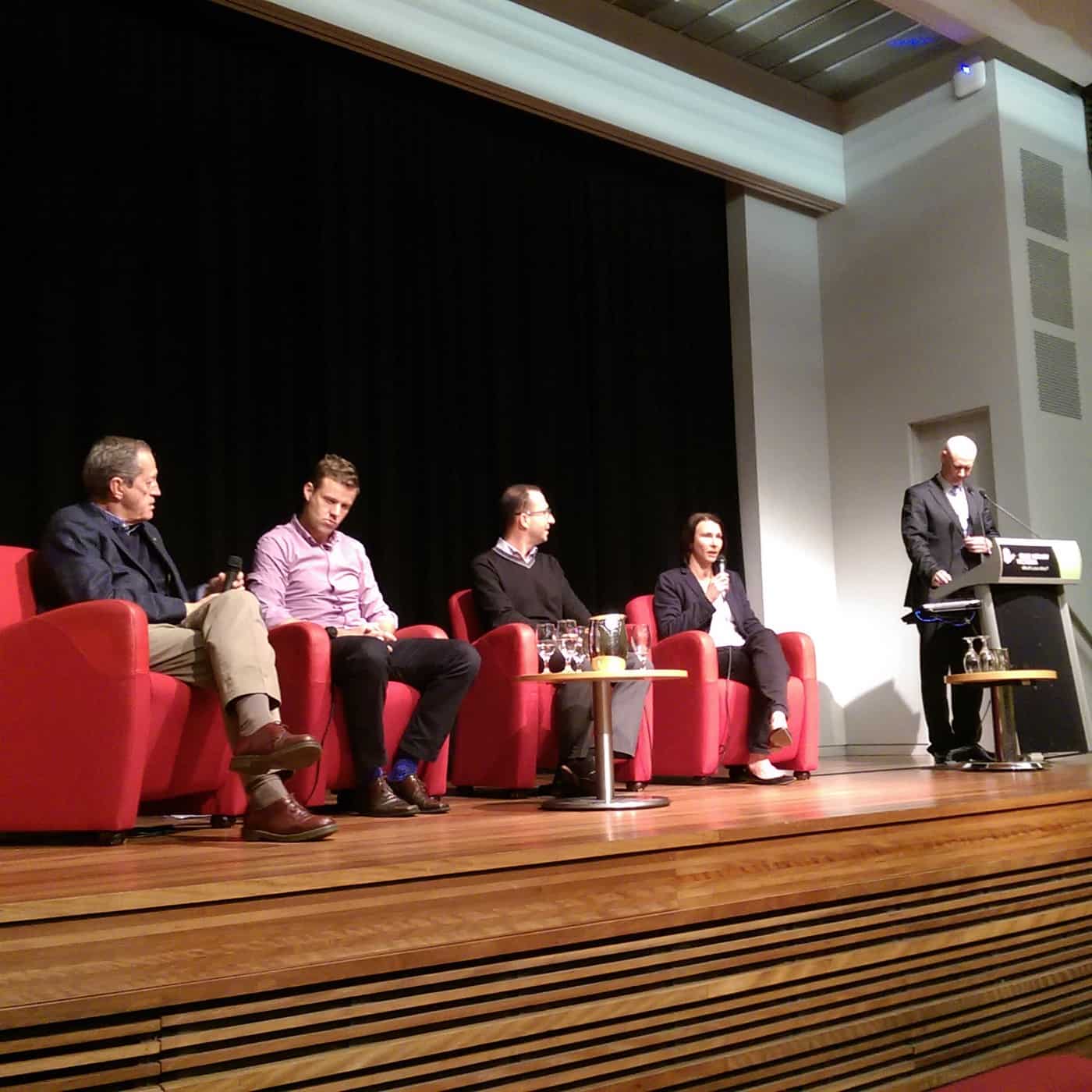 Having never played sports outside the obligatory high school activities, which in my high school also included snooker?!, the world of locker rooms and team sports is foreign. But earlier this week I learnt that where OHS professionals talk about productivity, sportspeople speak of performance, and where factories address line speed, sports physicians talk of load management. I also learnt that professional sportspeople are exempt from workers’ compensation.
It always surprises me when clients and colleagues ignore the Hierarchy of Controls when deciding what control measures to introduce. Recently Oregon’s OSHA released a podcast about the Hierarchy of Controls which shares some of my concerns.
It was concerning that the podcast stated that some hierarchies place Administrative Controls on the same level as Engineering Controls and that some consider fall protection devices as Engineering Controls due the engineering of the anchor point (a dubious engineering control as this blog has discussed previously).
Below are several quotes from the 4 minute podcast Michael Wood of Oregon OSHA.
“A control that fully eliminates the hazard is always preferred to one that does not.”
“The hierarchy improves the control’s reliability.”
“The hierarchy of control recognises that perfection in human performance can not be attained.”
This short podcast is a good quick reminder to occupational health and safety professionals but could also be discussion catalyst on basic hazard management.
 There is no doubt that football fields are the workplaces of professional football players and their support staff. So they are covered by occupational health and safety (OHS) and/or work health and safety (WHS) laws but what does this mean in relation to OHS regulators, and the sportspeople’s employers? Recently Eric Windholz looked at this particular issue.
Windholz recently published “Professional Sport, Work Health and Safety Law and Reluctant Regulators” in which he states:
“The application of WHS law to professional sport is almost absent from practitioner and academic discourse. An examination of the websites of Australia’s WHS and sport regulators reveals none contains WHS guidance directed to professional sports.” (page 1, references are included in the paper)
The example he uses to show this apparent lack of interest, even by the Victorian OHS regulator, WorkSafe Victoria, is the Essendon Football Club supplements saga. Windholz writes
“Had these events occurred in the construction, manufacturing or transport industry, for example, it is difficult to imagine WHS regulators not intervening. Yet, WorkSafe Victoria initially was reluctant to investigate choosing to defer to ‘more appropriate bodies’. It only commenced an investigation when compelled by a request from a member of the public.” (page 2)