Action on Health and Safety is always a choice

Last week epidemiologist Hassan Vally wrote one article in The Age called either “Health or economy a false choice” or “COVID caution can be a win for both public health and business” (paywalled), depending on the sub-editor and format. Curiously one has a negative implication, the other, the opposite. Either way, the article illustrates the public health dichotomy that mirrors that of occupational health and safety (OHS).

OHS often requires a decision between profit or production and safety. Public Health deciders need to consider the interests of the public and the duties of government. I prefer the former headline because it states that this decision is a “choice”. Safety, occupational or public, is always a choice.

Subscribe to SafetyAtWorkBlog to continue reading.
Subscribe Help
Already a member? Log in here

Vaccine mandates and omission bias

Over the last two years or so, occupational health and safety (OHS) professionals seemed to have been the go-to people for handling the workplace impacts of the coronavirus pandemic. Whether that is fair or not is debatable, but it is likely to repeat reality as workplaces continue to face labour shortages, production and supply disruption and variable exposure to the virus. At the moment, many politicians are uncertain about how to proceed. Employers need to have an operational plan, but they, or their OHS advisers, also need to step back occasionally and look at the larger context.

That step-back perspective is just what Dyani Lewis has done in a small but useful book called “Unvaxxed – Trust, Truth and the Rise of Vaccine Outrage“.

Subscribe to SafetyAtWorkBlog to continue reading.
Subscribe Help
Already a member? Log in here

“the job is never done”

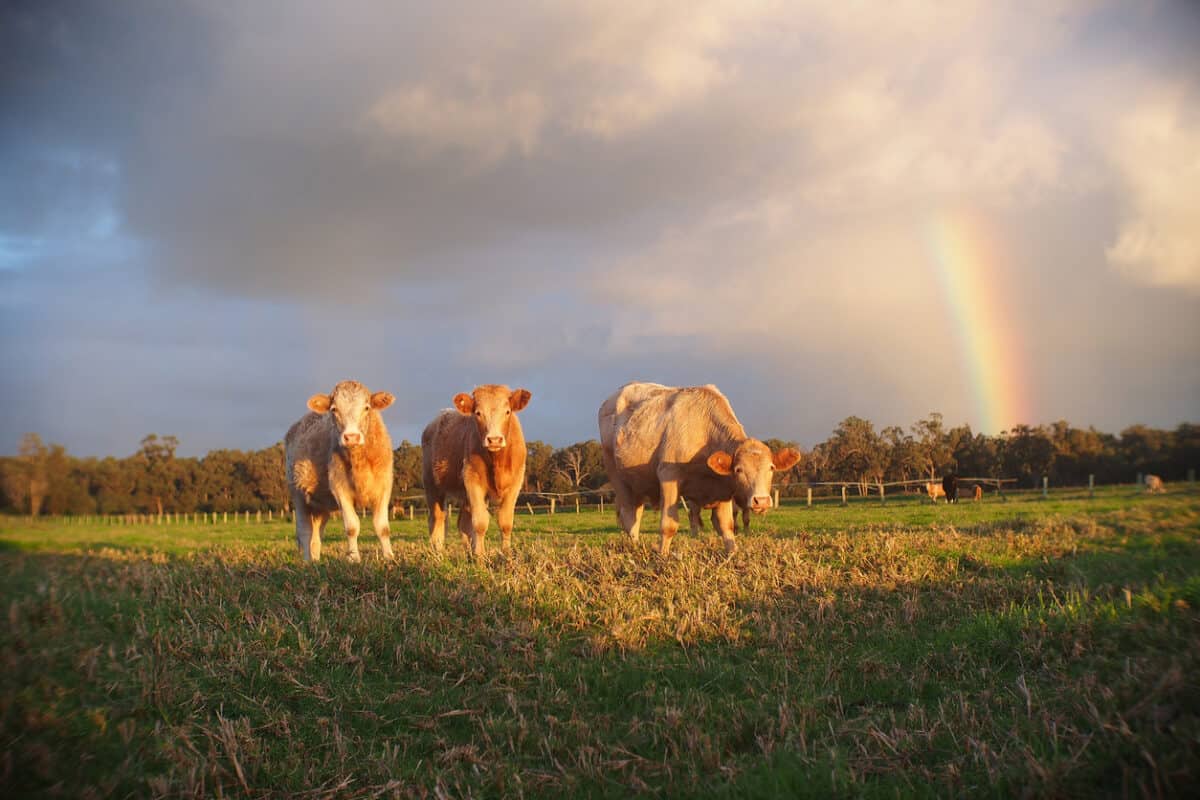
Every so often, there are sufficient numbers of workplace deaths and injuries that a government feels the need to act. In 2019, the Queensland government closed down its mining sector for a “safety reset”, which required every mine worker to be retrained in occupational health and safety (OHS). Recently Western Australia needed to act on deaths in its farming sector and has established an inquiry into the issues.

Farming is perhaps the hardest industry in which to affect change. It is dominated by male workers and farmers. It has next to no union presence. OHS inspectors rarely attend farms except after a severe injury or death.

Subscribe to SafetyAtWorkBlog to continue reading.
Subscribe Help
Already a member? Log in here

Victorian sexual harassment recommendations protect workers – sort of

In light of many workplace sexual harassment scandals in Australia, the Victorian Government established a task force to look at the issues and make recommendations. That task force has released its findings, the government has responded, and the media has focused on mainly one issue – non-disclosure agreements (NDAs) – missing out on other important information. And questions like, why did Victoria have the task force at all?

Subscribe to SafetyAtWorkBlog to continue reading.
Subscribe Help
Already a member? Log in here

Good framework but insufficient analysis

Occupational health and safety (OHS) is rarely analysed as a stand-alone business element. As such opportunities are missed to clarify one’s understanding of work health and safety and companies’ experience of it beyond “commitments” and workers’ compensation costs.

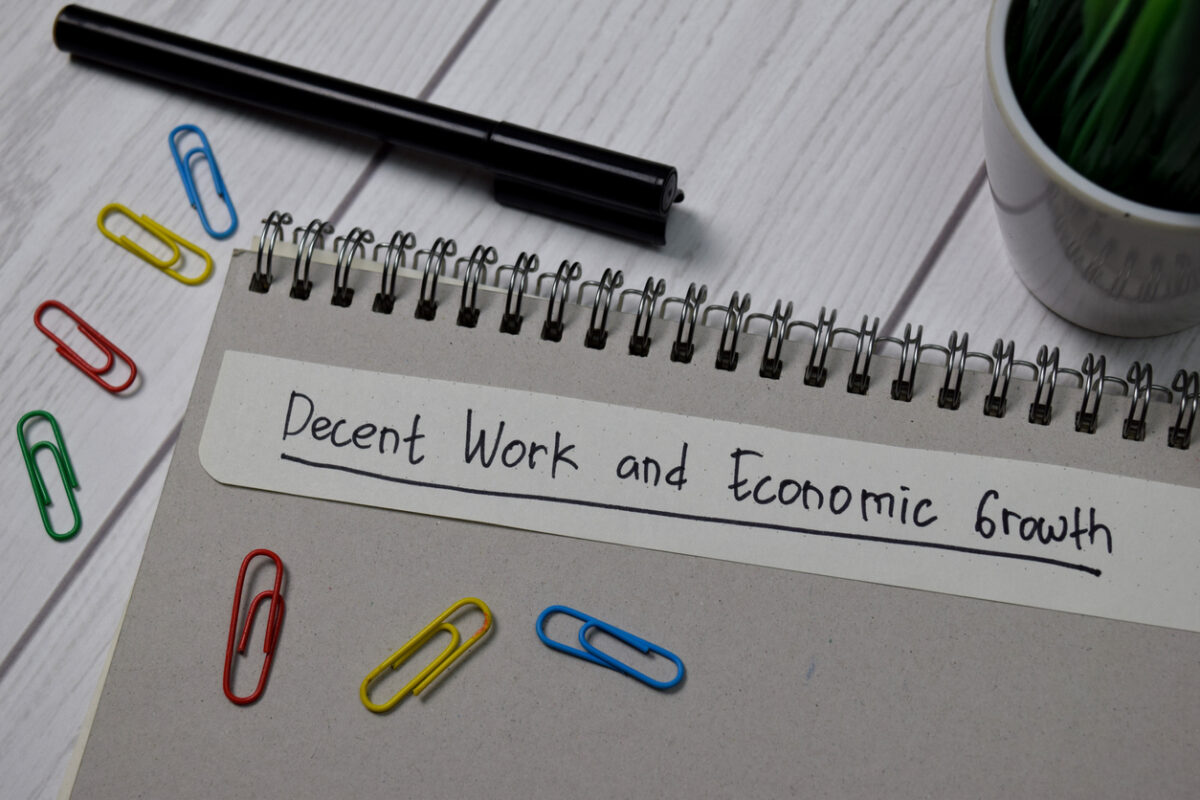
There is great potential for change in the United Nations’ Sustainable Development Goals (SDGs), especially Goal number 8. Sadly, even here “Decent Work” which includes the safety and health of workers (8.8) is shared with “Economic Growth”. As a result, it is often difficult to isolate the OHS components. A recent analysis of Australia’s ASX200 companies illustrates the problem.

Subscribe to SafetyAtWorkBlog to continue reading.
Subscribe Help
Already a member? Log in here

Hypocrisy is the biggest drag on OHS achievement

It is impossible to write about occupational health and safety (OHS) without mentioning hypocrisy – when one’s actions fail to meet the commitments we espouse. An important example was identified by a SafetyAtWorkBlog reader concerning the damning inquiry into Queensland’s public sector culture.

Several years ago, Queensland’s work health and safety authority issued a “Five year strategic plan for work health and safety in Queensland 2019 -2023” infographic that states this Goal:

“Queensland Government is a model client/employer and leader in work health and safety.”

Subscribe to SafetyAtWorkBlog to continue reading.
Subscribe Help
Already a member? Log in here

Sunlight on “an atmosphere of fear’

The Queensland Government and Premier Annastacia Palaszczuk have been under heavy criticism for their workplace cultures and leadership since the release of the Coaldrake report last week – a “review of culture and accountability in the Queensland public sector”.

The report is very critical of the Queensland government’s management of the public service, identifying problems with the overuse of external consultants, issues of unfairness, the lack of transparency and openness, bullying and more. These findings could apply to most of the contemporary public sectors in Australia nationally and locally (as well as most medium- to large-sized companies).

Subscribe to SafetyAtWorkBlog to continue reading.
Subscribe Help
Already a member? Log in here
Concatenate Web Development
© Designed and developed by Concatenate Aust Pty Ltd