In light of many workplace sexual harassment scandals in Australia, the Victorian Government established a task force to look at the issues and make recommendations. That task force has released its findings, the government has responded, and the media has focused on mainly one issue – non-disclosure agreements (NDAs) – missing out on other important information. And questions like, why did Victoria have the task force at all?
Category: accountability
Good framework but insufficient analysis
Occupational health and safety (OHS) is rarely analysed as a stand-alone business element. As such opportunities are missed to clarify one’s understanding of work health and safety and companies’ experience of it beyond “commitments” and workers’ compensation costs.
There is great potential for change in the United Nations’ Sustainable Development Goals (SDGs), especially Goal number 8. Sadly, even here “Decent Work” which includes the safety and health of workers (8.8) is shared with “Economic Growth”. As a result, it is often difficult to isolate the OHS components. A recent analysis of Australia’s ASX200 companies illustrates the problem.
Hypocrisy is the biggest drag on OHS achievement
It is impossible to write about occupational health and safety (OHS) without mentioning hypocrisy – when one’s actions fail to meet the commitments we espouse. An important example was identified by a SafetyAtWorkBlog reader concerning the damning inquiry into Queensland’s public sector culture.
Several years ago, Queensland’s work health and safety authority issued a “Five year strategic plan for work health and safety in Queensland 2019 -2023” infographic that states this Goal:
“Queensland Government is a model client/employer and leader in work health and safety.”
Sunlight on “an atmosphere of fear’
The Queensland Government and Premier Annastacia Palaszczuk have been under heavy criticism for their workplace cultures and leadership since the release of the Coaldrake report last week – a “review of culture and accountability in the Queensland public sector”.
The report is very critical of the Queensland government’s management of the public service, identifying problems with the overuse of external consultants, issues of unfairness, the lack of transparency and openness, bullying and more. These findings could apply to most of the contemporary public sectors in Australia nationally and locally (as well as most medium- to large-sized companies).
Sexual harassment laws in dozens of countries and states
Ellen Pinkos Cobb is building an interesting library of books on sexual harassment. Next month sees the release of “Managing Psychosocial Hazards and Work-Related Stress in Today’s Work Environment – International Insights for U.S. Organizations“, but one of her previous titles from 2020 is also enjoyable. Cobb published “International Workplace Sexual Harassment Laws and Developments for the Multinational Employer“. This comparative study is an excellent resource, even though the legal environment is changing rapidly.
“Tell me how I can comply with the OHS law” – wrong request
Recently the Australian Institute of Health and Safety (AIHS) released a chapter of its Body of Knowledge on Ethics. But rather than a discussion of the role of occupational health and safety (OHS) in modern society, it focussed on the ethics of the OHS professional. This is a valid perspective but one of limited relevance to most of the community or to the market for OHS services. A broader consideration of OHS and ethics, one that assists in understanding what is expected of having a Duty of Care, is still required.
‘Enough was Enough’ over a decade ago and the mining industry failed to act then
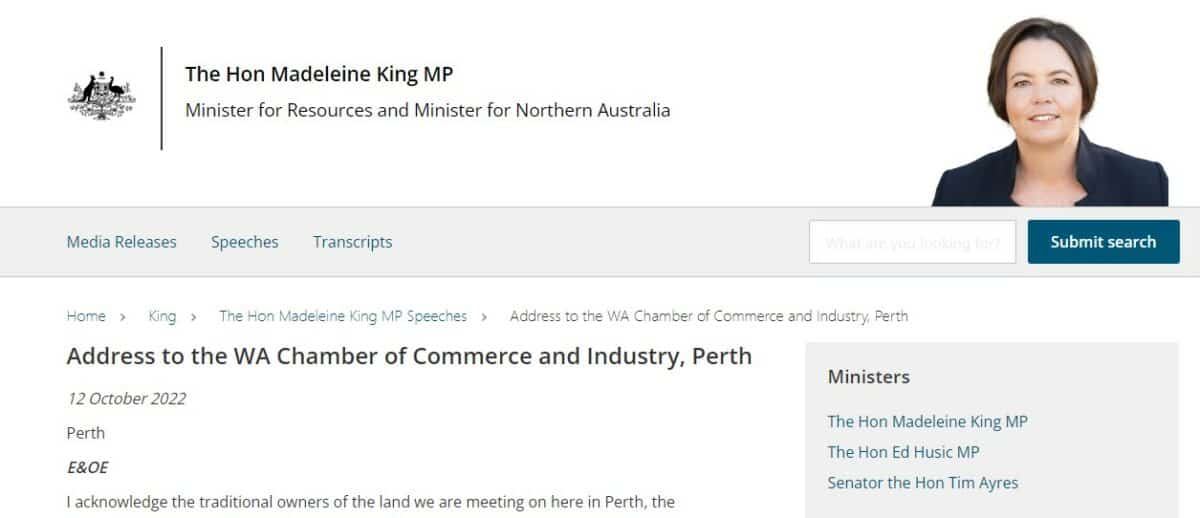
The recent report on sexual harassment at West Australian mine sites deserves national attention for several reasons. The stories are horrific, partly because many of us thought such stories were in the distant past. The fact that many are recent should shock everyone into action.
The report “Enough is Enough”is highly important, but its newsworthiness seems disputable. Some media have covered the report’s release but the newsworthiness, in my opinion, comes less from this one report but from the number of reports and research on sexual harassment, bullying, abuse, disrespect and more in the mining sector over the last twenty years that have done little to prevent the psychosocial hazards of working in the mining and resources sector and especially through the Fly-in, Fly-Out (FIFO) labour supply process.