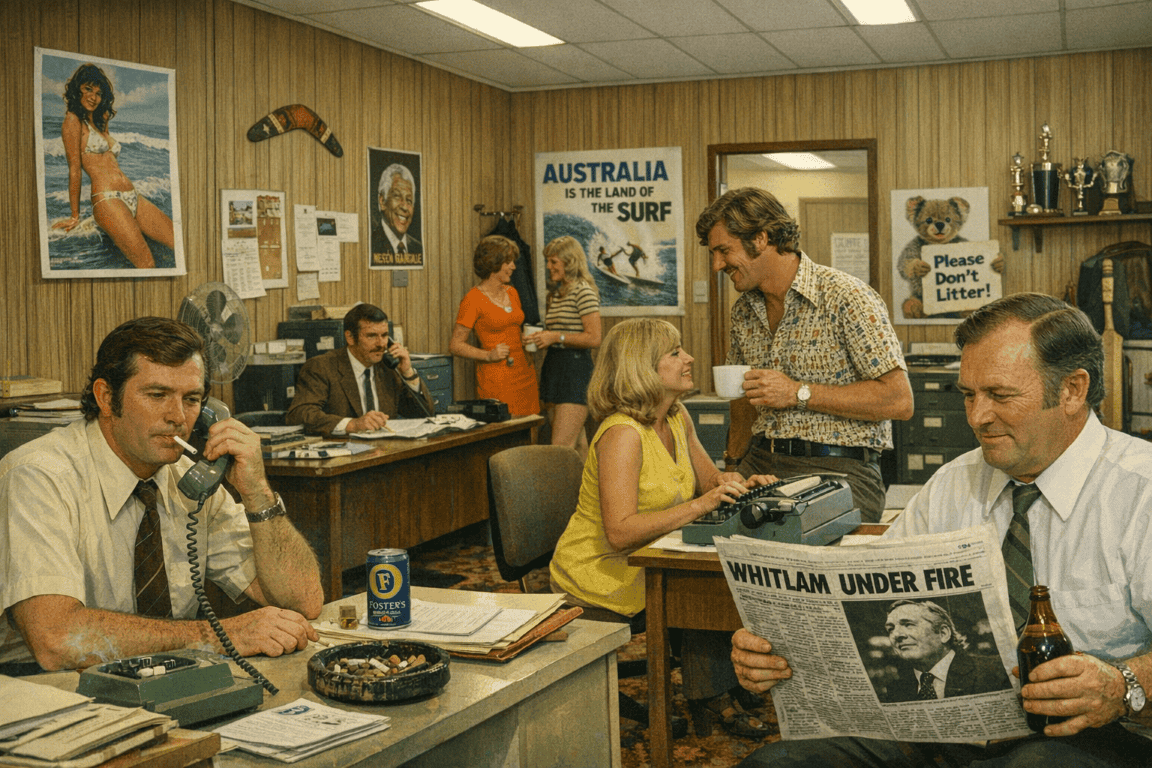
The 1970s Never Ended for Some Employers

For the last few years in Australia, occupational health and safety (OHS) laws have required that the prevention of psychosocial hazards be given the same prominence as the prevention of physical hazards. The most effective recommendation for change is the redesign of work, but very few employers seem to be applying this control. Many employers are still asking (their Human Resources officer) what this psychosocial stuff is all about.

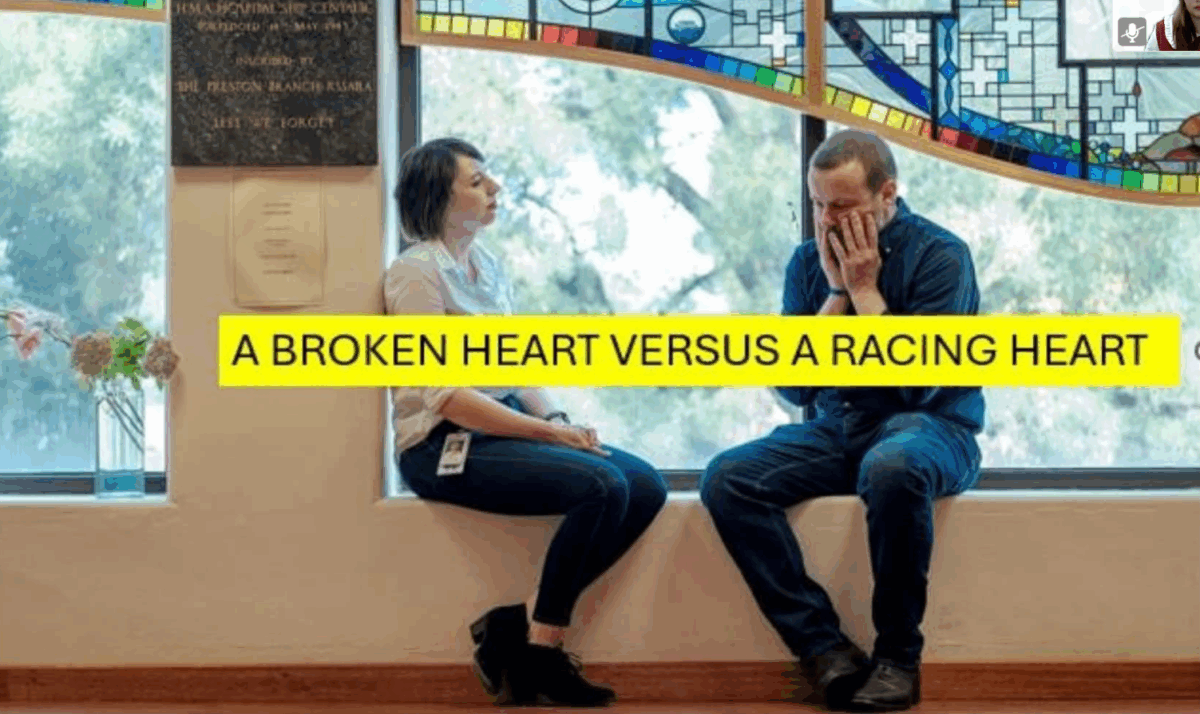
Examining organisational culture at one Australian institution that failed to prevent and may have generated psychological harm in the 1970s provides some context for contemporary OHS struggles.


Subscribe to SafetyAtWorkBlog to continue reading.
Subscribe Help
Already a member? Log in here

What the new push for Australian values means for work

Every company seems to have a Mission Statement, a Values Statement, or something similar that all employees are expected to follow and comply with. Largely, these are aspirational statements, but they are sometimes invoked when/if an employee needs to be disciplined or dismissed. The values are often vague and lend themselves to various interpretations, even though compliance is expected and is usually part of the employment contract.

At the moment, some conservative politicians, such as Angus Taylor, are emphasising the need for citizens and immigrants to commit to and comply with “Australian values”. How he plans to enforce them is unclear, but most of his proposed values have direct impacts on how occupational health and safety (OHS) is likely to be managed.

Subscribe to SafetyAtWorkBlog to continue reading.
Subscribe Help
Already a member? Log in here

Why Modern Leadership Can’t Deliver Safe Work

The most popular solution to physical and psychological occupational health and safety (OHS) problems is leadership. Leadership is crucial to implementing changes to work processes and policies that can prevent harm, yet we often view leadership as executive benevolence, without really examining executive leadership in modern workplaces.

Looking at current leadership traits through a different lens may help us understand why it continues to be so difficult to improve worker health and safety.

Subscribe to SafetyAtWorkBlog to continue reading.
Subscribe Help
Already a member? Log in here

When Leadership Fails the Soul

Dean Yates is a prominent Australian speaker on the issue of moral injury. Yesterday, at a WorkSafe Tasmania seminar, Yates brought the 250 attendees up to date on the status of moral injury and its occupational context. Although this seminar was a Safe Work Month event, Yates’ information requires some thought to fit with the occupational health and safety (OHS) and psychological hazards contexts.

Subscribe to SafetyAtWorkBlog to continue reading.
Subscribe Help
Already a member? Log in here

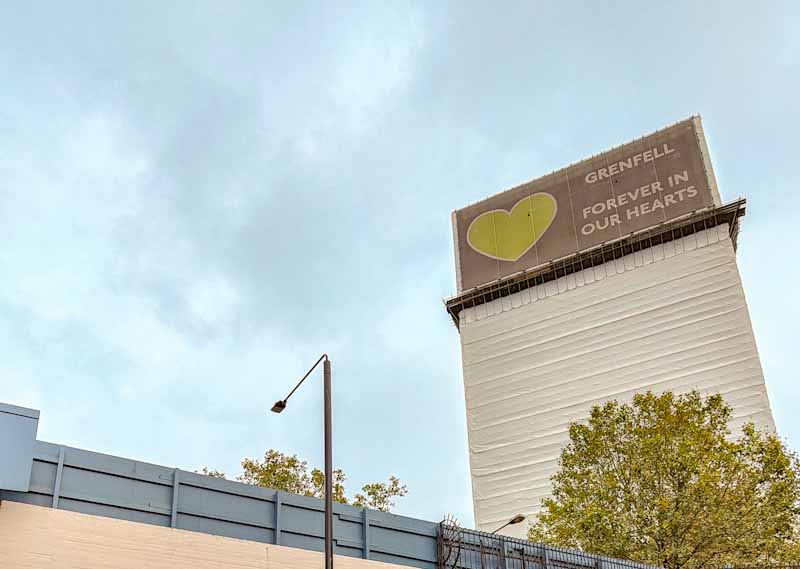
“…the system isn’t broken. It was built this way” – Grenfell Tower and OHS

The inquiry report into the Grenfell Tower fire has yet to be seriously considered from the other side of the world. However, the report is being mentioned in Australia’s emergency services and fire sectors.  The inquiry has been thoroughly followed and analysed in the United Kingdom, and many excellent summaries have been published in newspapers, books, and podcasts. Australia’s cladding debate has not been to the same extent as the UK. Still, the UK’s structures, policies, processes, business ethics and neglect are certainly mirrored in Australia, which directly impacts how workplace health and safety operates here.

Subscribe to SafetyAtWorkBlog to continue reading.
Subscribe Help
Already a member? Log in here

“don’t trick people” – Greenwashing and Safewashing

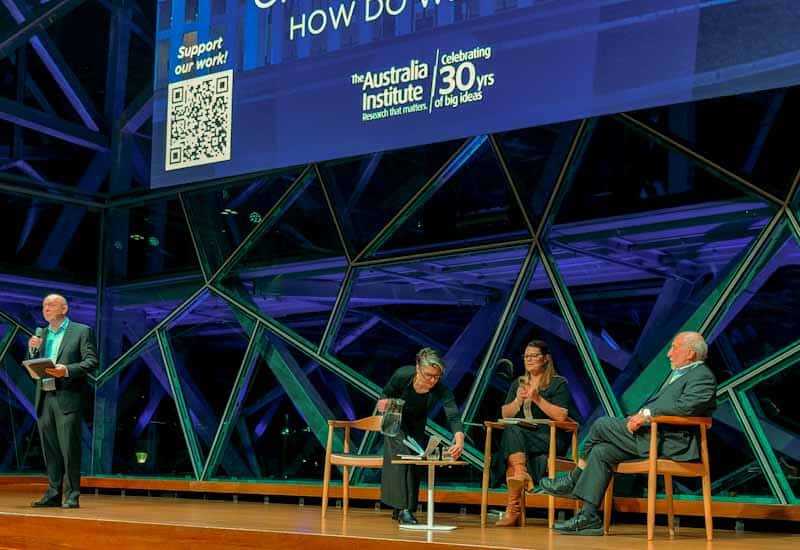
Nobel-prize winner Joseph Stiglitz does not write about occupational health and safety (OHS). However, he does write about the sociopolitical and economic context in which businesses operate and from which worker health and safety decisions are made. In August 2024, Stiglitz is touring Australia. On August 7, 2024, he addressed a packed auditorium in Melbourne.

The topic was Greenwashing. He shared the stage with Senator Sarah Hanson-Young and Polly Hemming. The event, and I think the tour, was sponsored by The Australia Institute. Why was an OHS professional at a greenwashing lecture? The tools, techniques, and preventions of greenwashing are often echoed in OHS.

Subscribe to SafetyAtWorkBlog to continue reading.
Subscribe Help
Already a member? Log in here

Cultural and operational shortcomings in white-collar work

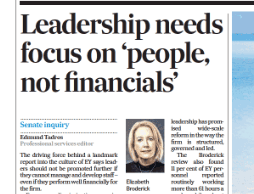
Long working hours and the billable hours structure received some attention in the prominent business newspaper. the Australian Financial Review, on November 11,2023. Unsurprisingly the article, by Edmund Tadros, about former Sex Discrimination Commissioner, Elizabeth Broderick has garnered attention in the business social media. The article reinforces the unsafe nature of the dominant management practices in white-collar workplaces.

Subscribe to SafetyAtWorkBlog to continue reading.
Subscribe Help
Already a member? Log in here
Concatenate Web Development
© Designed and developed by Concatenate Aust Pty Ltd