More on David Michaels’ book – “statistics are people with the tears wiped away”

I found time to read the rest of David Michaels’ latest book “The Triumph of Doubt“. It was loaded with information that is directly relevant to the Australian occupational health and safety (OHS) sector but more about the manipulation of facts and the stealth of lobbyists and influencers than on the hazards themselves. Here’s my take on some of his thoughts.

Two Australian case studies that would not have been out of place in a book like Michaels’, or even an Australian supplement to his book, were quad bikes and workplace mental health. Quad bike safety is the better fit with Michaels’ approach as many of the techniques of Zellner and Dynamic Research Incorporated, and the strategies of international all-terrain vehicle manufacturers, reflect the those strategies in the book.

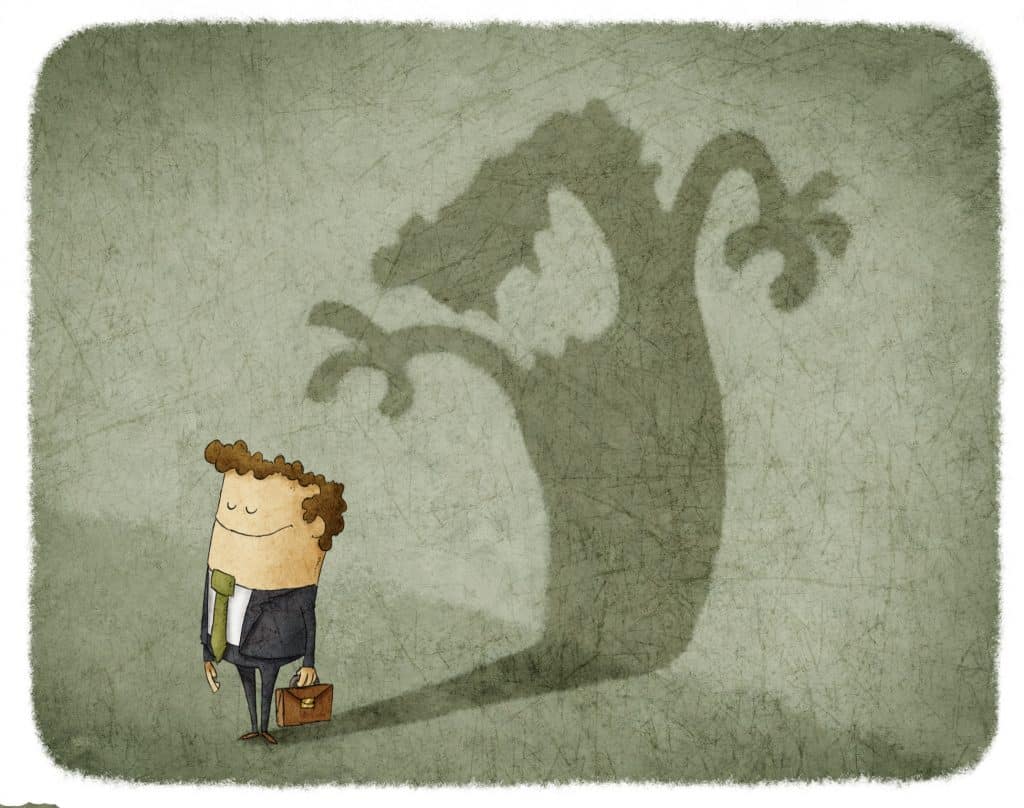
David Michaels writes about chemicals, primarily, but many of his words hint that similar “doubt scientists” could be already in the psychological health and wellness sector, except these scientists are less about reacting to litigation and legislation than supporting and strengthening an industry in anticipation of increased regulatory scrutiny. “Pre-action”, perhaps?
Subscribe to SafetyAtWorkBlog to continue reading.
Subscribe Help
Already a member? Log in here

The Triumph of Doubt is essential reading

When a former head of a national occupational health and safety (OHS) regulator writes a book, it may be a curiosity (and it is rare). But when the writer is the former Assistant Secretary of Labor for the US Occupational Safety and Health Administration, the book becomes interesting. When the book is called “The Triumph of Doubt – Dark Money and the Science of Deception“, it becomes a must-read. SafetyAtWorkBlog dips into David Michaels‘ new book (as I only received it yesterday) and finds treasure.

This is not the first time that Michaels has written about Doubt and how whole industries have developed to create, market and exploit Doubt for the benefit of the Establishment. However, the new book is super-topical in this time of “Fake News” and blatant disregard of science and scientists.

Subscribe to SafetyAtWorkBlog to continue reading.
Subscribe Help
Already a member? Log in here

Ethics, safety and fingertips

Last week the Australian Institute of Health and Safety (AIHS) launched its Body of Knowledge Chapter on Ethics in Melbourne to a small group of occupational health and safety (OHS) professionals. Participants were asked to outline an ethical challenge they had faced as OHS professionals.

In that same week, WorkSafe Victoria issued a media release that showed a poor follow-through by a business on advice from an OHS professional.

Subscribe to SafetyAtWorkBlog to continue reading.
Subscribe Help
Already a member? Log in here

Avoid government interference, get in first

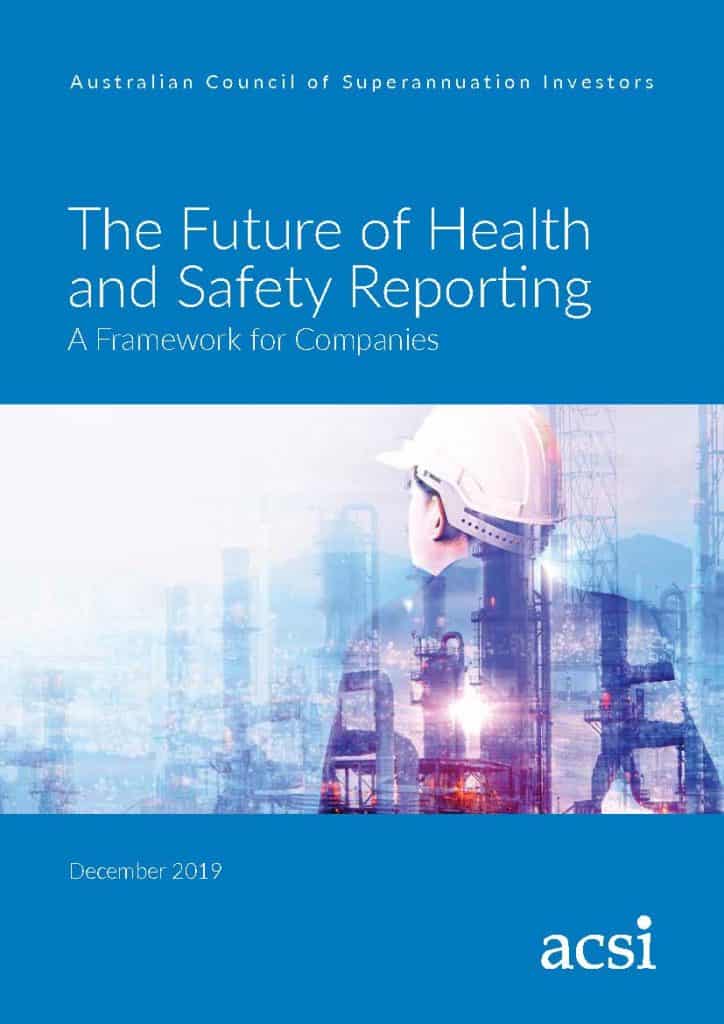
In occupational health and safety (OHS), there is evidence and then there is evidence. Regardless of the type of evidence, there is not as much as there should be. Many companies and organisations in Australia are required to publicly release annual reports that identify their financial status. Increasingly non-financial criteria, like OHS performance, is being included in these reports but why isn’t this mandatory and why isn’t it of a consistent type? Late on 2019, the Australian Council of Superannuation Investors (ACSI) looked at the issue of OHS reporting, with some assistance from EY.

ACSI’s CEO, Louise Davidson illustrates the problem in her Foreword to the report:

“Almost one third of ASX200 companies provide their investors and other stakeholders no information on health and safety performance. For the companies that do provide some information, the disclosure often provides no insight into how many severe incidents occurred…….”

page 6
Subscribe to SafetyAtWorkBlog to continue reading.
Subscribe Help
Already a member? Log in here

OHS needs to ride the ESG wave

The current Environmental, Social and Governance (ESG) movement can be seen as the latest iteration of companies and business owners reflecting on the broader purposes of running a business.  An earlier manifestation of this reflection was Corporate Social Responsibility (CSR).  ESG and CSR are similar perspectives from different times but with a fundamental continuity.

Occupational health and safety (OHS) is integral to CSR/ESG/Sustainability considerations but is often overlooked or considered as a business add-on, a situation that has been allowed to persist by the OHS profession, Regulators and others over many decades.

Subscribe to SafetyAtWorkBlog to continue reading.
Subscribe Help
Already a member? Log in here

Annual Reports are not as transparent on OHS performance as they could be

Around four or five years ago, occupational health and safety (OHS) reporting in Corporate Annual Reports was a hot topic as Australian research had indicated that Annual Reports were not revealing sufficient, or useful, OHS data. Also awards were being presented for the best OHS reporting in Annual Reports. SafetyAtWorkBlog has looked at a sample of the reports released by the Victorian Government over the last fortnight to see what OHS information is available.

Two major keywords were used to search the Annual Reports – “Safe” and “Well”. These words form the stemS of other search terms such as “safety” and “wellbeing” or “wellness”. Each of the word responses were looked at for a focus on workplace or work-related activity. Although public safety may have an increasing OHS context, public safety, and a range of other “safeties”, were not included.

Some Annual Reports were okay, others? Egh! But what is clear is that there is no excuse.

Subscribe to SafetyAtWorkBlog to continue reading.
Subscribe Help
Already a member? Log in here

Big potatoes, small potatoes, trust and transparency

The Australian Council of Superannuation Investors (ACSI) has released a research paper that discusses the reporting of workplace fatalities by major companies in their Environmental, Social and Governance (ESG) reports. There are many informational benefits in this report but perhaps the most important is that the report reinforces occupational health and safety (OHS) in ESG reports. The risk is that OHS is seen only in relation to the ESG criteria in Annual Reports.

Australia has experienced a gentle push for inclusion of OHS performance measurements in company and government department Annual Reports. SafetyAtWorkBlog has reported on this and some peer-reviewed research and recommendations over many years. The ACSI report progresses this but also illustrates the sluggish rate of change.

Subscribe to SafetyAtWorkBlog to continue reading.
Subscribe Help
Already a member? Log in here
Concatenate Web Development
© Designed and developed by Concatenate Aust Pty Ltd