
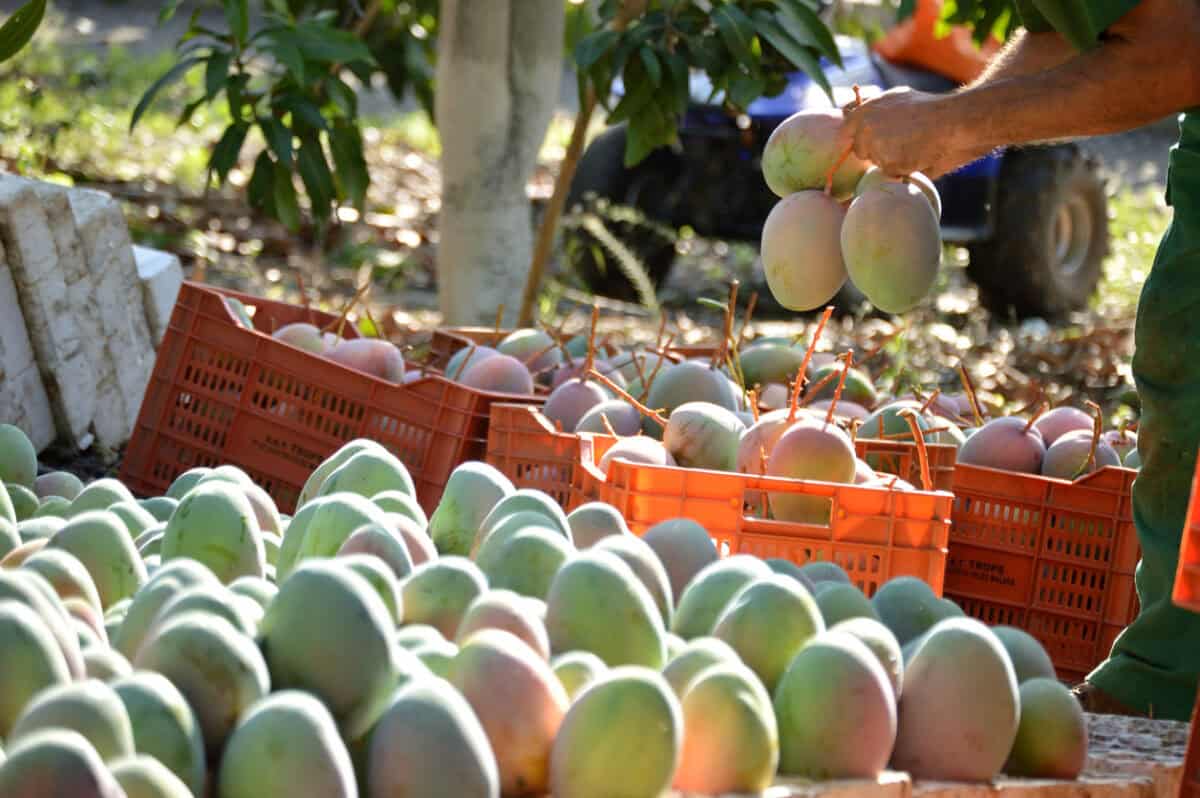
Like many other countries, Australia’s political debate seems dominated by immigration issues. This week, after Federal Minister Tony Burke announced the government’s revised immigration policy, Queensland primary producer Joe Moro linked migration to occupational health and safety (OHS) and labour availability.
Category: Farming
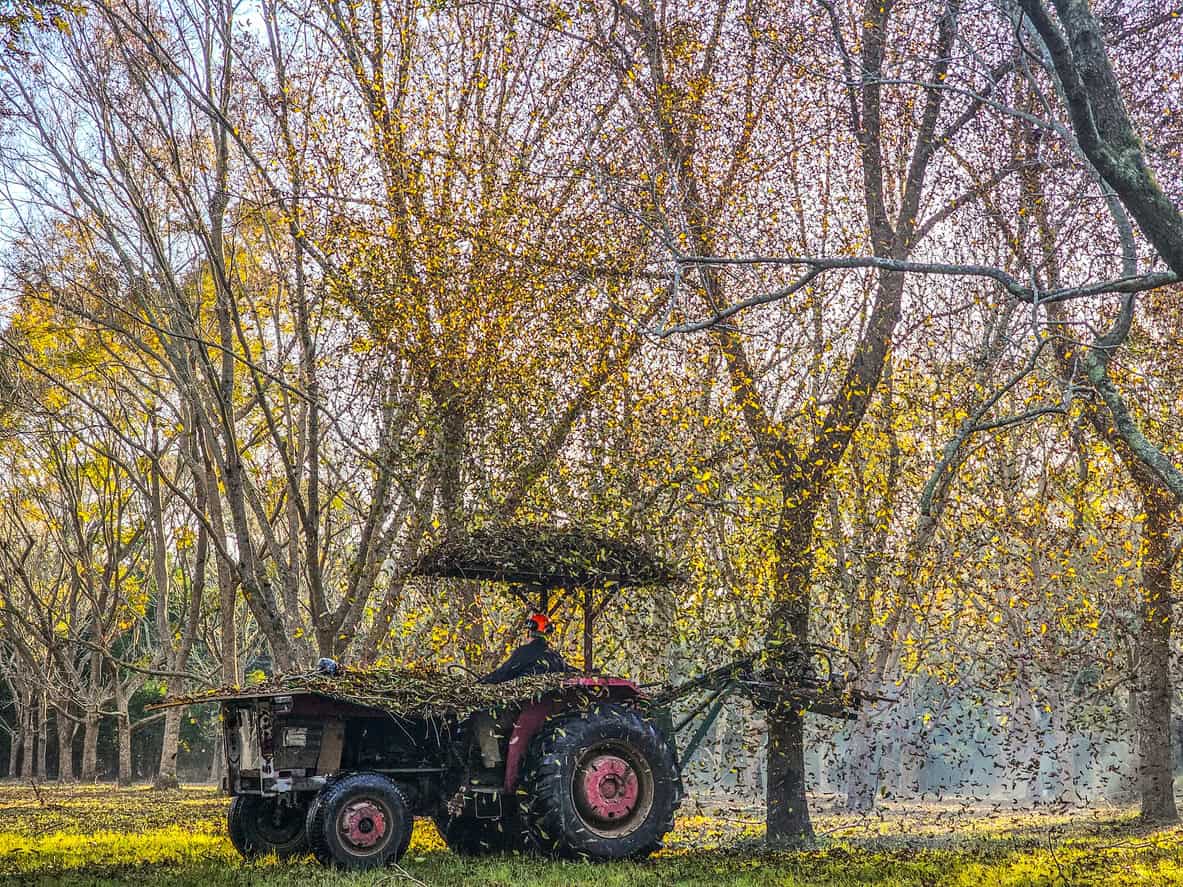
Farm Safety Messaging Works Best When It Confronts Risk Honestly
Every year, Australia conducts a Farm Safety Week. The latest has just closed. Every year, the safety information is fundamentally the same: deaths, serious injuries, tractors or quad bikes, middle- to old-aged workers, mental health, the protection of children and more. But there are a couple of interesting variations this year from WorkSafe Victoria.
The Cost of Ignoring Basic OHS Controls
A recent occupational health and safety (OHS) prosecution over a quad bike fatality gained some mainstream media attention, primarily due to one of the owners being an independent New South Wales politician, Helen Dalton. Strip out the political newsworthiness, and there are some serious OHS lessons for all employers to be learned from the Court judgement.
Why Quad Bike Safety Reform Keeps Stalling
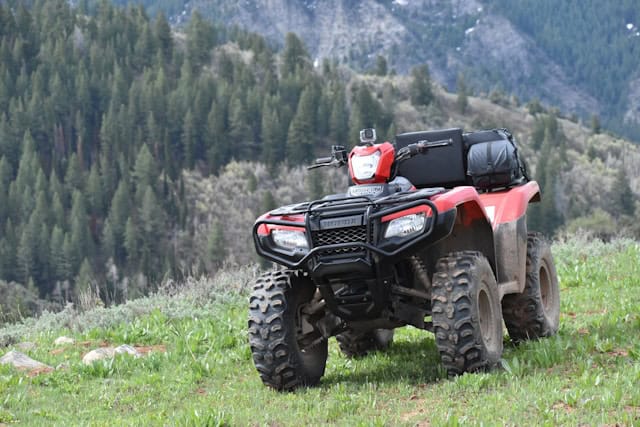
Safe Work Australia’s (SWA) latest consultation on quad bike safety is another reminder that fatalities and serious injuries continue despite years of guidance, rebates, training campaigns and polite encouragement. The evidence laid out in SWA’s consultation paper shows that harm has persisted even after “extensive education and awareness efforts”, so voluntary approaches have reached their limit. When a hazard keeps killing people in the same predictable ways, the question is no longer whether we need stronger regulation but why it has taken so long to get there. This moment demands more than another round of messaging — it demands decisions that actually change the machines people ride and the conditions they ride them in.
Below is my submission to SWA’s consultation process on improving the safety of quad bikes used in the workplace. I strongly encourage everyone to participate.
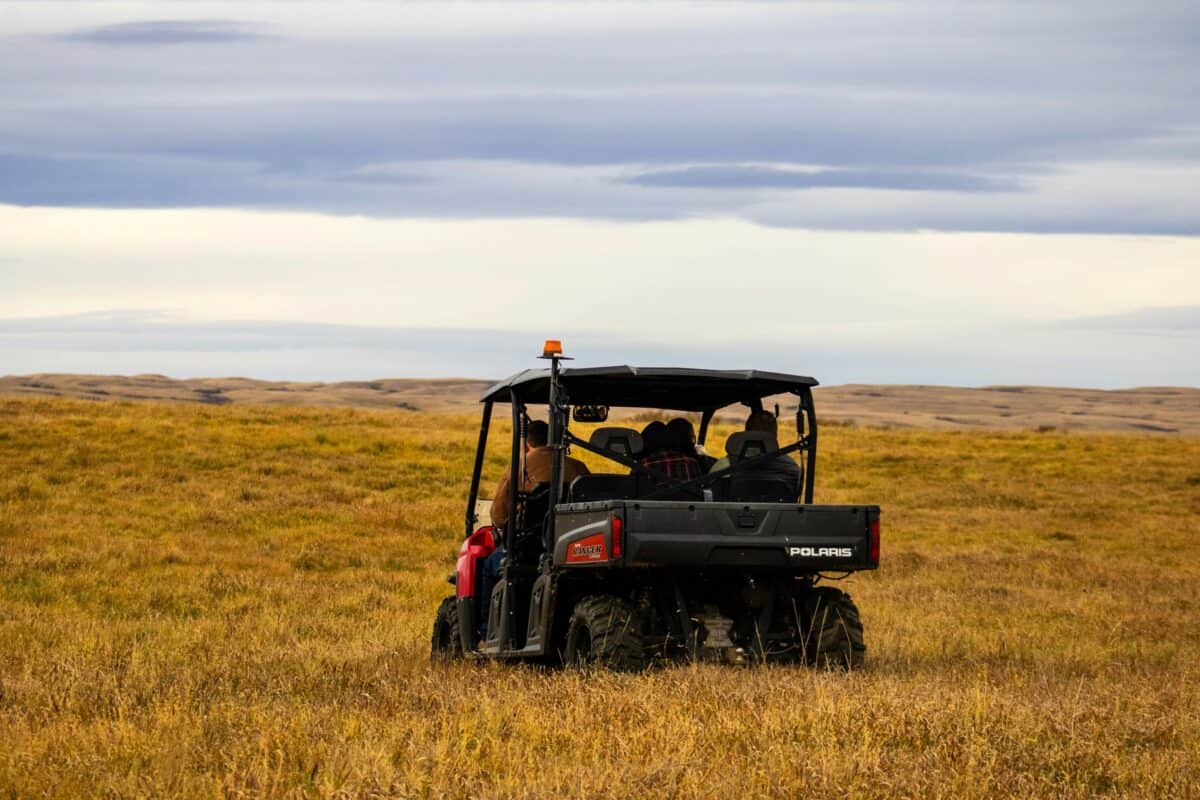
The Cultural Barriers Holding Back Farm Safety Reform
Agricultural safety has come to the fore in Australia and New Zealand over the last few weeks. Safe Work Australia (SWA) has commenced a public consultation on the safety of using a quad bike for work. It is quite revealing and limited.
The Quad Bike Death That Could Have Happened Any Year
Earlier this month, I was critical of occupational health and safety (OHS) and farmers and asked
“So what can WorkSafe teach them about safety that farmers don’t already know?”
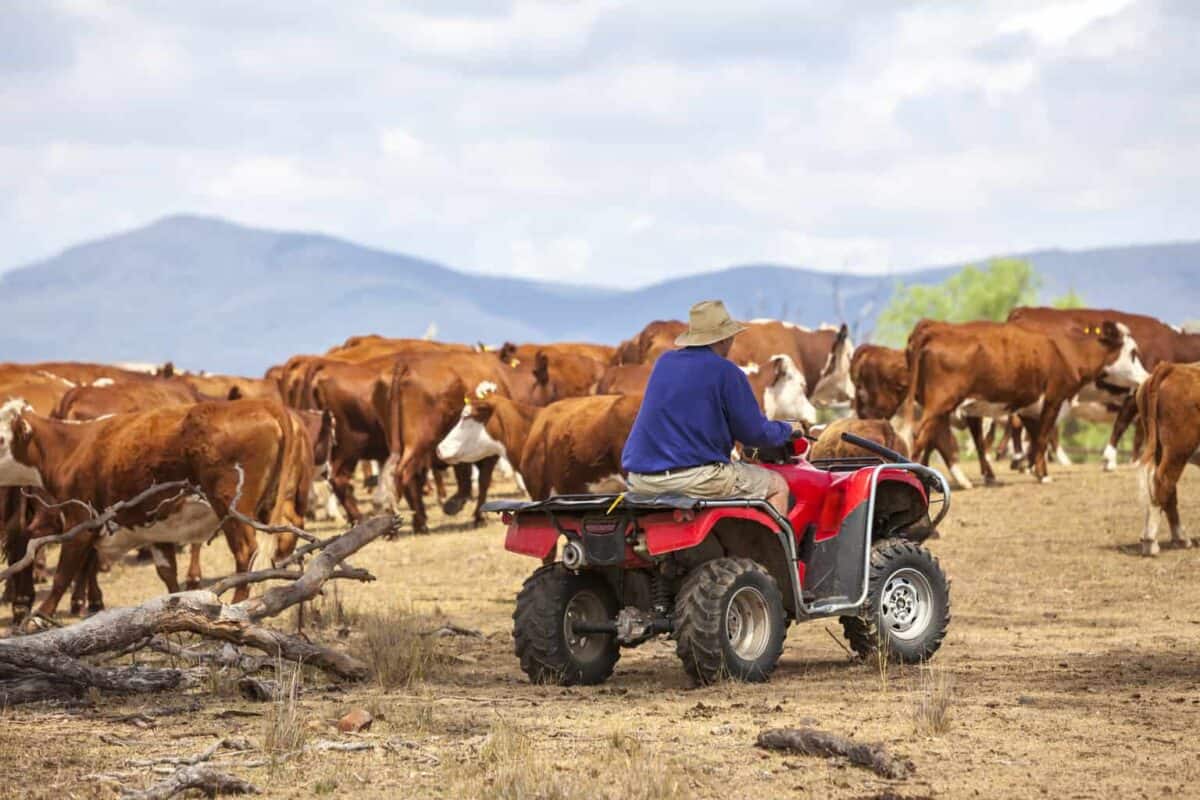
The death of dairy farmer Brad Collins following an incident involving a quad bike is the type of death that could have occurred and been reported at any time over the last few decades. Surely, a change in the cultures of farming, safety, and enforcement is required? Are we at “peak safety” on the deaths of farmers from quad bikes? Can nothing more be done?

What the new push for Australian values means for work
Every company seems to have a Mission Statement, a Values Statement, or something similar that all employees are expected to follow and comply with. Largely, these are aspirational statements, but they are sometimes invoked when/if an employee needs to be disciplined or dismissed. The values are often vague and lend themselves to various interpretations, even though compliance is expected and is usually part of the employment contract.
At the moment, some conservative politicians, such as Angus Taylor, are emphasising the need for citizens and immigrants to commit to and comply with “Australian values”. How he plans to enforce them is unclear, but most of his proposed values have direct impacts on how occupational health and safety (OHS) is likely to be managed.