

Occupational health and safety (OHS) is rarely addressed in election campaigns, and the Victorian election in November is likely no exception. However, there are OHS issues that need to be discussed and addressed, and there may also be a political advantage.
Category: campaign
“reinvigorated in nerve and muscle” – working hours and OHS
Prominent in some of Australia’s political and economic debates are issues related to hours of work. This may be associated with the four-day work week, the five-day work week in construction, working from home, or the general debate about productivity, whatever definition you prefer, and there are many.
With the political backdrop of the government’s Economics Roundtable, a very timely new book by Sean Scalmer – “A Fair Day’s Work – The Quest to Win Back Time” was published.

Retail Violence and OHS Blind Spots: Time to Rethink the Strategy
Occupational health and safety (OHS) is the central theme of this blog, but it is essential to remember that not all workplace health and safety actions are governed by a single set of laws or a single regulatory agency. Safety in the retail sector offers a good example.
Yes, No or N/A?
Recently, SafeWorkNSW launched a health and safety campaign for those who provide services in people’s homes, essentially Home Care providers. The message is good and simple, but this article is less about the campaign than the risk assessment and checklist forms they promote.
Many checklists expect a Yes/No answer but fail to ask a question. SafeWorkNSW’s Home Safety Risk Assessment is an example of this problem.
Continue reading “Yes, No or N/A?”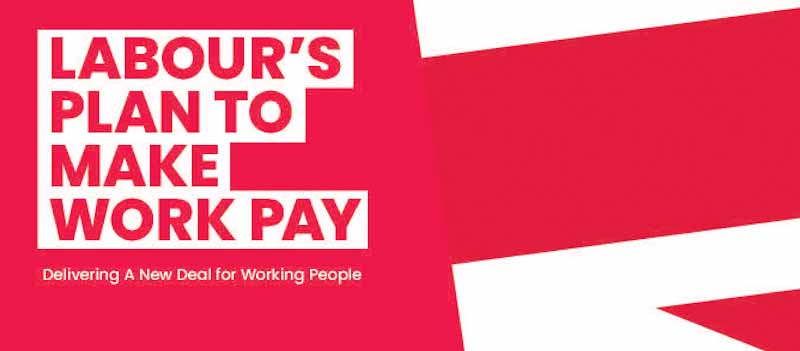
The immediate future of OHS in the UK
Later this week, the United Kingdom hosts an election which the Labour Party, the “party of working people,” is expected to win. Its party manifesto has been out for some time, but its workplace strategy has received less attention. Given the synergies between the UK and Australian industrial relations and occupational health and safety (OHS), Labour’s Plan to Make Work Pay, deserves an outsider’s analysis.
If you don’t sound the alarm, who will?
Last week the Australian Institute of Health and Safety (AIHS) National Conference contained some excellent speakers and one or two stinkers. (I will not be reporting on the last speaker of the conference, who spent his first ten minutes “roasting”. i.e. insulting the delegates!) Safe Work Australia’s Marie Boland was an important and informative speaker who nudged the occupational health and safety profession to be more active.

Workplace suicides must be included in mental health discussions
[This article discusses suicide]
WorkSafe Victoria has charged a government agency with breaching occupational health and safety (OHS) laws over the suicide of an employee. The UK Health and Safety Executive (HSE) has a different perspective. Several OHS researchers, academics and trade union lobbyists are battling the HSE to become more involved with investigating suicides that have the potential to be related to work. The Australian circumstance is a little different.