
 On 1 June 2015 Australia’s Radio National broadcast a discussion about the
Category: conference
Improve the profession by improving the professionals
 The occupational safety profession (OHS) in Australia is often described as being populated by older white males, as being dull and ill-informed. This perception has generated offshoots such as Women in Safety and Health, and Young Safety Professionals (YSP) with similar actions occurring in many other professions. It is easier than ever to develop professional groups that better address one’s needs but this can miss out on opportunities to change those older white males who are prepared to listen and learn.
These subgroups can often be more innovative than the larger profession events, partly because they are smaller, but also because their audience has different expectations and capacities. Recently
Can flexible work arrangements apply in the construction sector?
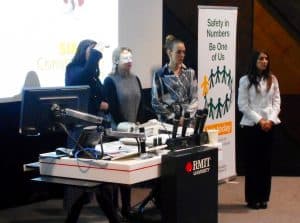 On 30 October 2017, the Safety Institute of Australia and RMIT University held their annual OHS Construction Forum. This year’s theme was flexible working arrangements – a brave choice that did not really work but was indicative of safety in the construction industry generally.
Several speakers discussed well-being generally and how flexible working arrangements were critical to fostering an appropriate level of wellness. One, a labour lawyer, outlined the legislative obligations that companies have to those types of arrangements with reference to equal opportunity laws, industrial relations and anti-discrimination obligations – sadly the workplace safety laws and obligations were not mentioned. In all of the wellbeing-themed discussions, the application to the on site construction workers was rarely, if ever, mentioned.
Hollnagel, Safety II and Captain Hindsight
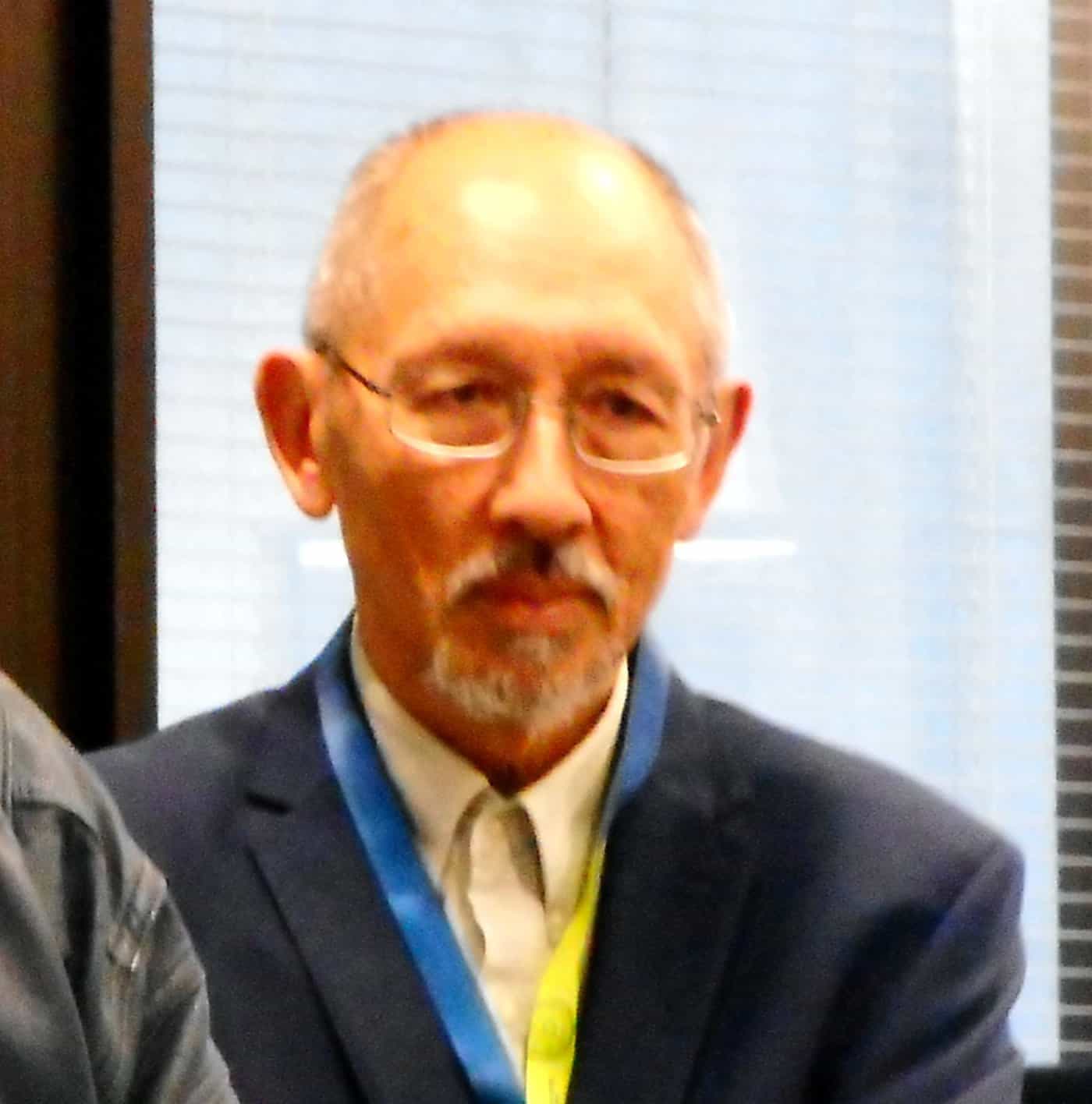 The ideal outcome of attending a safety conference or seminar is to hear something new, some innovation that inspires, or gain a hint for a potential opportunity. In occupational health and safety (OHS) this rarely happens. So the most common outcome is clarification or reinforcement. This was my experience at a Professor Erik Hollnagel seminar in Melbourne on October 3, 2017.
Hollnagel’s Safety II concept has been round for several years now and has had considerable influence on the thinking of OHS professionals, if no one else. Safety II has generated several commercial and academic offshoots that provide hope for a more realistic and practical application of safety principles.
Leadership conference was hit and miss
The Future of Leadership roadshow was only partly about its topic. Much of it felt like a professional development day with interesting speakers and storytellers. By providing stories of failure, reconciliation, and unlearning the organisers could argue that they were also creating future leaders.
A previous article briefly discussed Dan Gregory’s presentation. One additional element was the catalyst for his Directorship of White Ribbon – a poster which reframed the issue of violence against women as an issue that men can affect. Gregory was advocating being open to alternative perspectives of your reality, your lived experiences, career, communication and profession. He challenged the audience, as Daniel Hummerdal does his safety audience, to look differently, to look creatively and to analyse our personal and organisational motivations.
Like all good conference speakers, Dan Gregory does not tell you what to think but how to think, and treats the audience like adults who are in charge of their own decisions.
Half time at the Future of Leadership
 This month the “Future of Leadership” conferences are travelling Australia. The Melbourne stop, on 21 September, started really well with three on-topic speakers but declined strongly after morning tea with at least one speaker who had nothing to say about leadership. At the half-time break, one hopes that the conference gets back on track because when it was, it was very good.
This leadership conference is very different from occupational health and safety (OHS) conference because it talks about a concept in such general terms that the audience can impose whatever context it chooses. As this blog is about workplace safety, predominantly, OHS context was paramount.
David Caple provides the latest in reality-based OHS thinking
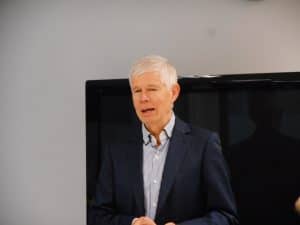 Recently David Caple gave his annual address to the Central Safety Group in Melbourne. Caple (pictured above) is a prominent ergonomist, an adjunct professor at the Centre for Ergonomics & Human Factors, La Trobe University, a representative on several government OHS-related committees and has an enviable information network.
Fresh from the Singapore OHS conference, Caple speculated on the future of the workplace safety profession at a time when many are indicating an increasing demand for OHS services and advice. He used a graph of the membership of the Safety Institute of Australia to illustrate part of the challenge.