

Several events or non-events at the recent 23rd World Congress on Safety and Health at Work illustrated the political attitude to occupational health and safety in Australia, especially the lack of presence of national figures on official duties.
Category: conference
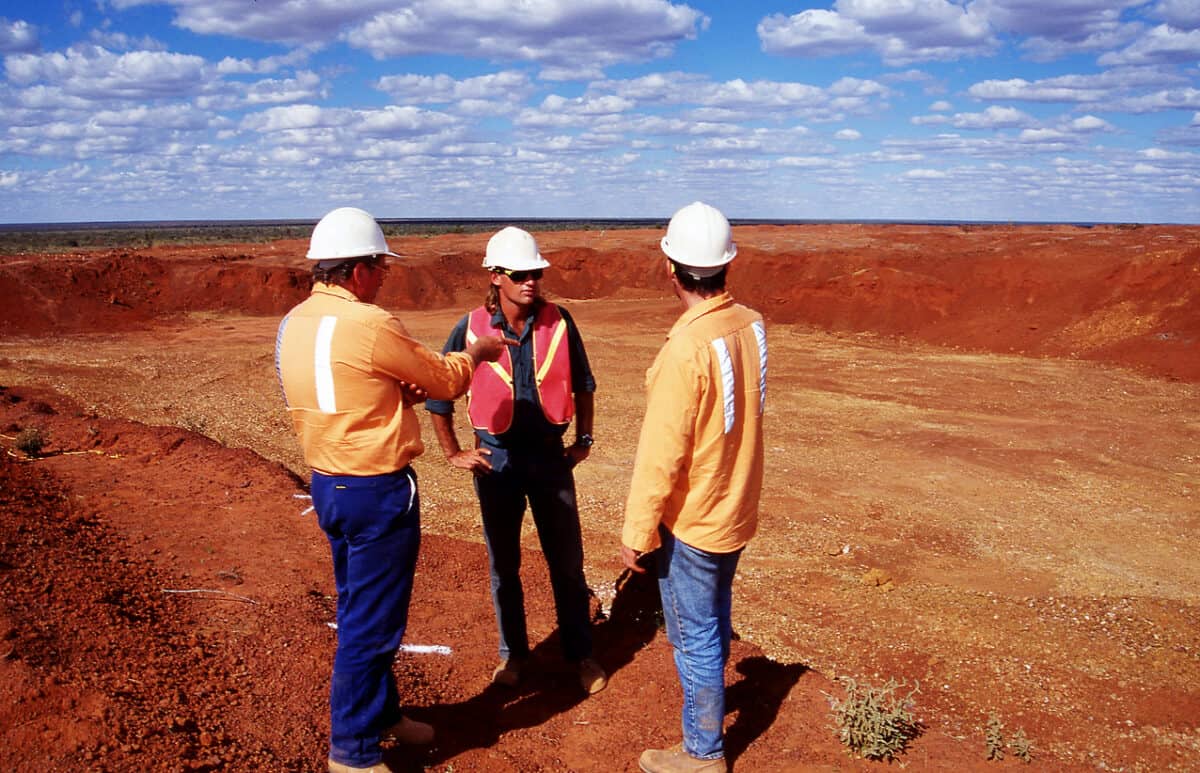
The individual remains at the heart of workplace mental health in mining
One of the most significant takeaways from the 23rd World Congress on Safety and Health at Work is Australia’s relative position of occupational health and safety (OHS) privilege. For instance, in the mining sector, Australian workers are rarely exposed to tuberculosis, HIV, silicosis and chemical exposure to the extent of similar workers in other countries. Instead, Australia has the comparative luxury of focusing on the psychosocial hazards associated with the fly-in, fly-out (FIFO) workforce.

Initial reflections on the 23rd World OSH Congress
The 23rd World Congress on Safety and Health at Work has been a remarkable achievement, with 3000 delegates, at least two-thirds of whom are from outside of Australia. The most valuable elements of this Congress have been the opportunities to network, talk to people you’ve never met, and get new perspectives. What has been a little peculiar was the presentations or, rather, the format of the sessions.
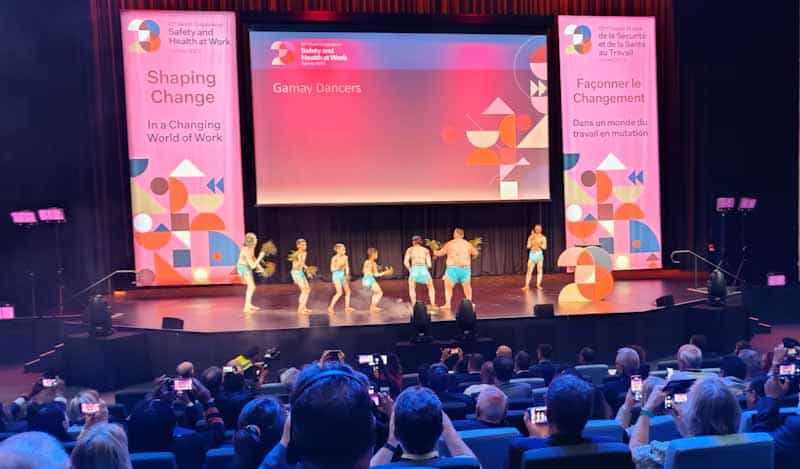
The 23rd OHS World Congress opens ….. curiously
The 23rd World Congress for Safety and Health at Work was officially opened last evening after a day of occupational health and safety (OHS) workshops. The indigenous Welcome to Country and Smoking Ceremony were excellent, and from the number of delegates recording the dancing, entertaining and enlightening. The same cannot be said for the speeches.
ILO sets the OHS picture at the 23rd World Congress
This afternoon, the 23rd World Congress on Safety and Health at Work commences in Sydney. Already important information is being released, with the International Labour Organisation (ILO) being first out of the block, setting the broader occupational health and safety (OHS) context.
In a media release dated November 27 2023, the ILO says:
Exclusive content from 23rd World Congress on Safety and Health at Work
Next week, the 23rd World Congress on Safety and Health at Work will occur in Sydney, Australia, with hundreds, maybe even thousands, of delegates from Australia and abroad. I will be reporting on the Congress from before it starts on Monday to its conclusion on Thursday with articles each day, at least a wrap-up of each day and exclusive interviews with global occupational health and safety (OHS) speakers and delegates.
Now is a great time to subscribe to the SafetyAtWorkBlog, starting at only A$24 for a monthly option. Links to all new articles will be emailed to you as they are posted, and you also have access to over 3,000 OHS-related articles, including exclusive content from the 21st World Congress in Singapore from 2017.
And if you are attending the Congress, stop me to say hi, take a selfie, or tell me about your lived experience with OHS.

There’s more to the Right to Disconnect than just ignoring the boss
The Australian Labor Party (ALP) conference has endorsed the concept of the right-to-disconnect, according to an article in The Australian. Sadly, the reporting on the change has a dismissive tone on what is an attempt to address the increasing costs of mental health at work. Readily accessible and recent survey data on the right-to-disconnect could have been used for a fuller analysis.
Journalist Ewin Hannan wrote: