

A hugely popular radio show in Australia, hosted by Kyle Sandilands and Jackie O (Henderson), has been offensive for a long time, but offence can also be entertaining and economically lucrative. Last month, the host clashed on air, resulting in Jackie O leaving. Now there is legal action on several fronts, and psychological health and safety at work is being considered to some extent, and could/should be considered more.
Category: contractor

OHS keeps getting sidelined and everyone knows it
Recently, occupational health and safety (OHS) lawyer Steve Bell issued a challenge to all those who provide leadership training to executives.
At the annual breakfast for the Australian Health and Safety Institute, supported by Herbert Smith Freehills Kramer, Bell shared this leadership training scenario with his panel of experts:

Governments should set the OHS bar much higher
It should be clear to readers by now that I am not a lawyer. My interest is in the practical application and compliance with occupational health and safety (OHS) laws. Those laws often encouraged employers to look for the source of workplace harms and hazards, with government agencies advising that addressing these causes is the most effective and cost-effective way to manage OHS. In this context, it seems to me that clients can significantly influence OHS, as they may be a major source of work-related harms and risks. But their role is often downplayed.
OHS tidbits from the latest Productivity Commission Report
On March 17 2023, the Australian government released the Productivity Commission’s latest 5-year Productivity Inquiry report. At well over a thousand pages, few people are going to read it to the level it deserves. Nor will I, but I have dipped into it and found a couple of important comments that relate directly to the management of occupational health and safety (OHS).
Trucking inquiries scare the Conservatives
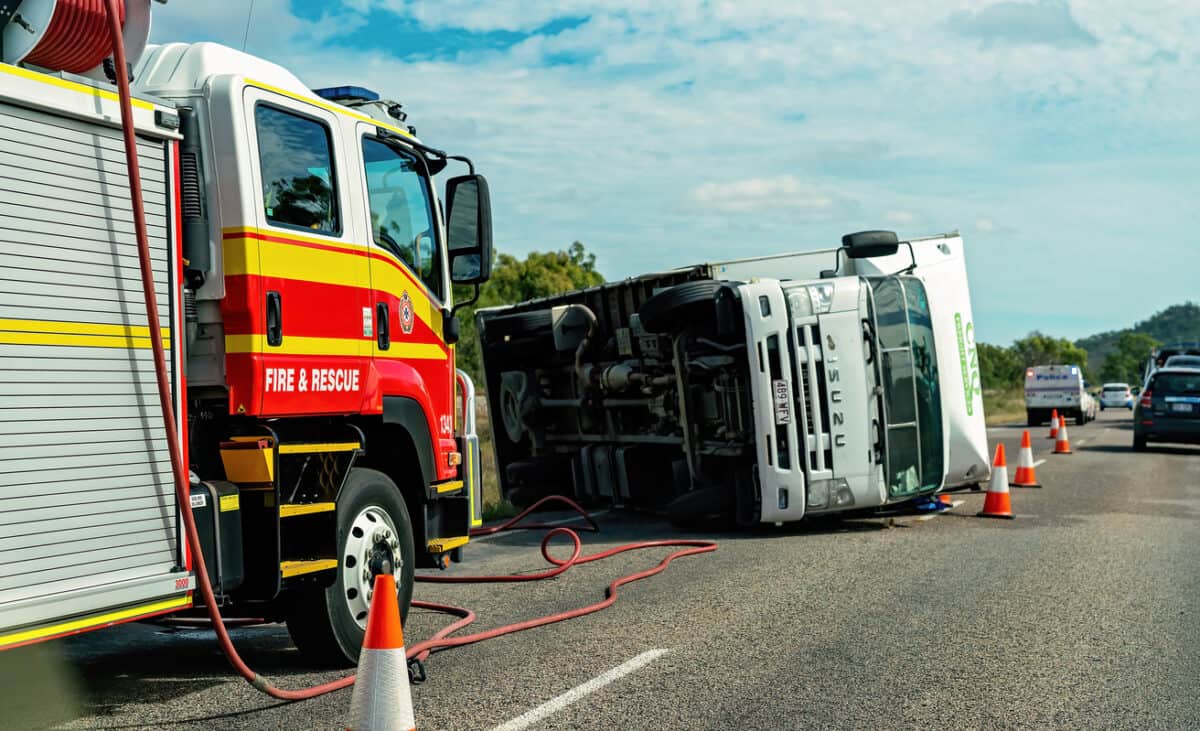
Australia’s newspapers have recently reported on the moves by the Federal Government to review the safety and working conditions of the country’s truck drivers. As expected, The Australian newspaper is painting this as the Government paying back its ideological and financial backers – the trade unions – and the resurrection of the Road Safety Remuneration Tribunal (RSRT), even though the Government denies this will happen.
Occupational health and safety (OHS) sits behind some elements of the debate. As with most things OHS, it will not be a game-changer in a discussion over pay rates and minimum standards, but it is a serious consideration, and deservedly so.
Pressure on local government over procurement and OHS
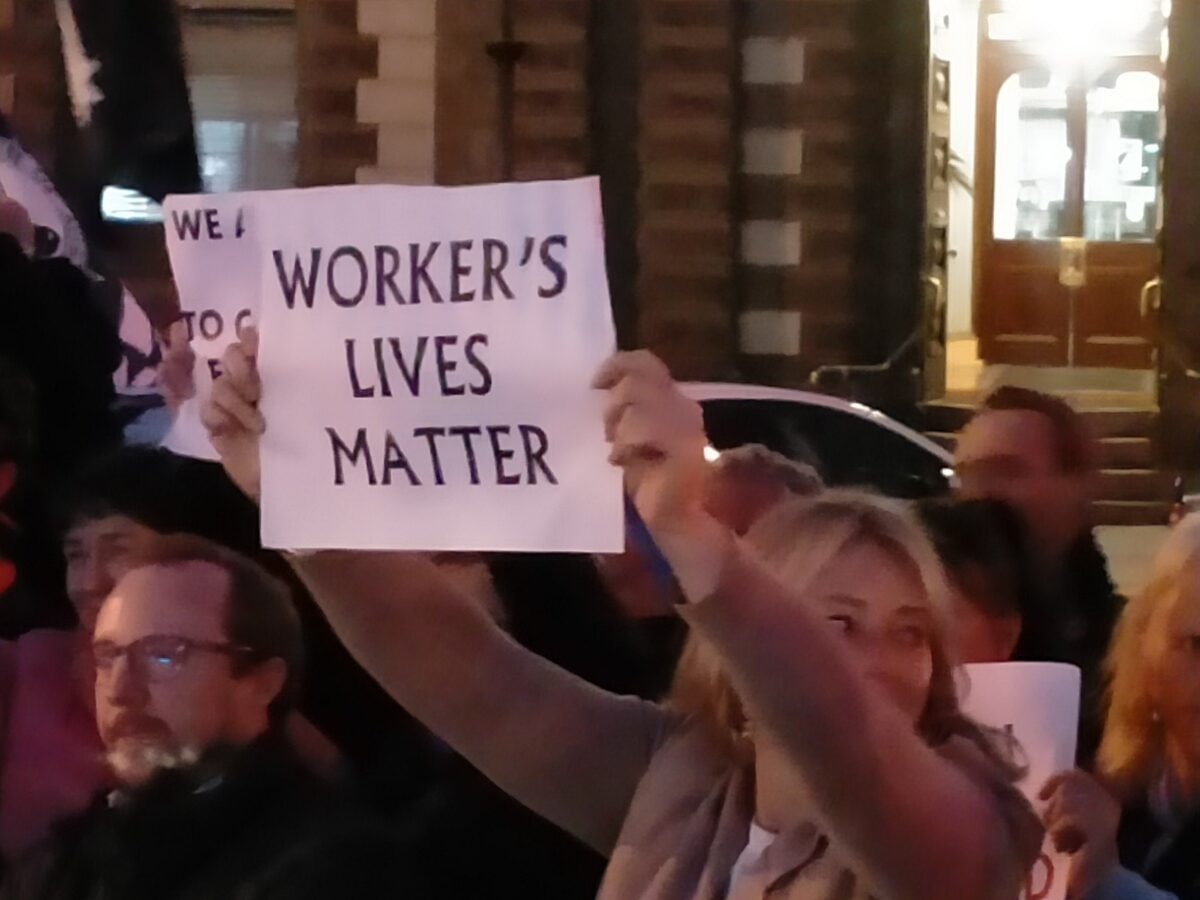
On a chilly night in Ballarat, over a hundred people gathered outside the Town Hall, within which the City Council was meeting, to let the Council know that the awarding of millions of dollars of ratepayers’ money to a local company that admitted to breaching occupational health and safety (OHS) laws and that led to the deaths of two local workers was not acceptable.
The event seem coordinated by the local Trades Hall Council, for the usual inflatable rat and fat cat were next to the ute, which was blasting out protest songs. Almost all the speakers were trade unionists, although one was Andy Meddick from the Animal Justice Party. The protest may not have achieved the changes that many speakers called for, but as is the case with these types of events, Council has given some ground with a likely review of the OHS procurement criteria.

Australia’s mining sector can avoid becoming the next institutional pariah
Around a decade ago, parts of the Australian rail construction industry introduced the Pegasus Card. The intent was to have a single portal through which a worker’s competencies and eligibility to work could be verified. It evolved into the Rail Industry Worker Card in existence today. Pegasus remains in parts of the mining sector.
I was reminded of the Pegasus Card when I read the recent West Australian report into sexual harassment in the mining sector, Enough is Enough. One of its recommendations, Number 3, was that:
“The industry must explore ways to prevent perpetrators of serious sexual harassment simply finding reemployment on other sites and in other companies. This should involve:
– thorough exploration of an industry-wide workers’ register or other mechanism such as industry-wide accreditation, taking into account natural justice considerations and perhaps modelled on the Working With Children Card;…..
“industry-wide workers’ register”? Isn’t that what the Pegasus card helps to manage?