Business voices add weight to OHS change

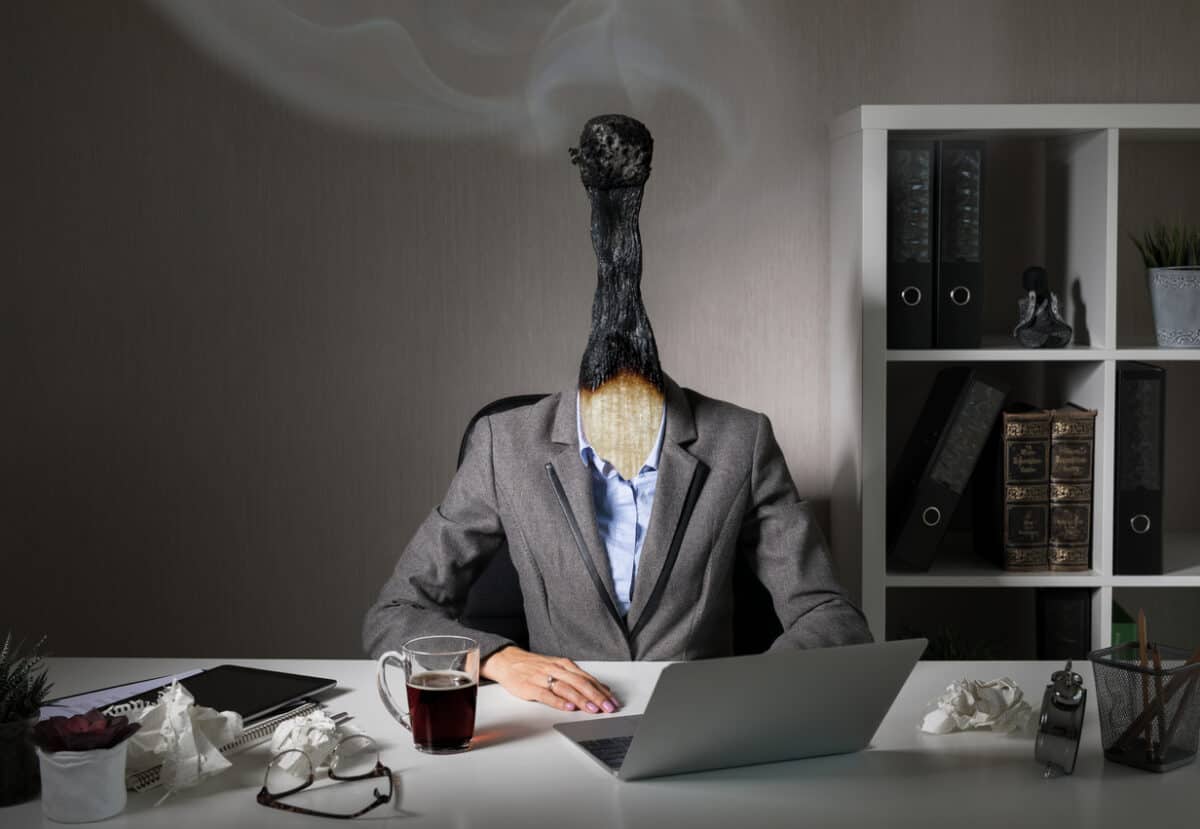
On February 27 2012, The Australian reprinted/tweaked a Harvard Business Review (HBR) article on Burnout. A significant feature of the article is the acknowledgement of organisational factors as contributing to burnout and other workplace mental health hazards. The situation seems to have changed as these types of acknowledgements were harder to draw out of psychological health experts when SafetyAtWorkBlog spoke to some in 2019.

However, there are also clear parallels to Australian research into job stressors that could have helped HBR’s author Dave Lievens add weight to the decades-long research of Michael Leiter and Christina Maslach.

Subscribe to SafetyAtWorkBlog to continue reading.
Subscribe Help
Already a member? Log in here

The PM expects Australian workplaces to be “as safe as possible”

Prime Minister Scott Morrison has set the occupational health and safety (OHS) bar unachievably high for Australian businesses.

Morrison is embroiled in a scandal about an alleged rape in a ministerial office, his knowledge of and response to it, and his government’s duty of care to political employees. Below is his response to this question from a journalist:

JOURNALIST: “What is your message to young women who might want to get into politics and see this and are just horrified by it. What’s your reassurance to them about getting involved in the Liberal party or other parties? “

Subscribe to SafetyAtWorkBlog to continue reading.
Subscribe Help
Already a member? Log in here

Parliamentary culture must change

Australia is in the midst of a murky investigation into an alleged rape that occurred out-of-hours in an office of a Federal Minister in Australia’s Parliament House. The incident has raised discussions and debates about workplace culture, the reporting of crimes, the uniqueness (?) of the parliamentary workplace, the rights of women, the role of the media in reporting the allegations or in being complicit in the workplace culture…….

Prime Minister Scott Morrison has got himself into a pickle about how to respond, how to investigate and what he should have known and what he was expected to do. One of the actions that he and his government could do, and should have done, was to accept, and act on, the findings of the National Inquiry into Sexual Harassment in Australian Workplaces conducted by the Australian Human Rights Commission (AHRC) early last year. The relevance of this report is obvious:

Subscribe to SafetyAtWorkBlog to continue reading.
Subscribe Help
Already a member? Log in here

Ask not what WorkSafe can do for you, but what you can do to improve safety

One of the most difficult industries in which to achieve occupational health and safety (OHS) improvements is farming, especially in areas where farming continues to be done by small family units. The safety culture of farming is unique as the workplace is embedded in community and rural culture. Some people believe that OHS regulators have given the agricultural industry an easy run for too long, as stated by Mick Debenham in a recent opinion piece in The Weekly Times (paywalled), but farmers should perhaps ask themselves why people continue to die on their farms and what they can do to change this.

Subscribe to SafetyAtWorkBlog to continue reading.
Subscribe Help
Already a member? Log in here

Culture, greed and safety heckles

More business “gems” from the Australian Financial Review (AFR).

The potential for corporate change from Australia’s Royal Commission into Misconduct in the Banking, Superannuation and Financial Services Industry is fading fast. Back in July 2020, the Australian Financial Review (AFR) reported on an investigation by the Australian Prudential Regulation Authority (APRA) that found, according to the AFR’s headline, that Westpac bank’s culture was immature and reactive.

Safety culture, or an organisational culture that integrates safety, has been a running theme in Australian occupational health and safety (OHS) circles for several decades now but it has rarely gained traction. Partly this is due to the distraction presented by corporate wellbeing programs which address symptoms of ill-health and un-safety and provide a comfortable excuse for company executives who can then claim some action even if the results are dubious.

Subscribe to SafetyAtWorkBlog to continue reading.
Subscribe Help
Already a member? Log in here

Business nuggets from the Australian Financial Review

It is not possible to write as many occupational health and safety (OHS) articles as I would like to, and my newspaper clippings files are bulging by the time I get some time to tidy up. The Australian Financial Review (AFR) is an expensive business newspaper that often touches on OHS matters even though OHS may not be the core of the story. Below is a short discussion of many of those clippings from 2020. Most of the AFR articles are paywalled but can often be tracked down through other measures.

Subscribe to SafetyAtWorkBlog to continue reading.
Subscribe Help
Already a member? Log in here

The black sheep of safety leadership

Western Australia’s Industrial Manslaughter (IM) laws are now in effect. The same arguments for and against were posed in Parliament and outside as they were in Queensland and Victoria, and the Australian Capital Territory well before that. The IM laws will face the same institutional hurdles to application and offer the same, nominal, deterrent effect.

But WA also prohibited insurance policies that cover the financial penalties applied by the Courts. Such policies may make good business sense in managing risk, but they also remove the pain and deterrence intended in the design and application of Work Health and Safety laws.

Subscribe to SafetyAtWorkBlog to continue reading.
Subscribe Help
Already a member? Log in here
Concatenate Web Development
© Designed and developed by Concatenate Aust Pty Ltd