
 I have a lot of books about workplace safety. Many of them are referenced frequently, several have changed my thoughts. However if I was asked which book has had the most impact on my values and understanding of occupational health and safety (OHS), my response would be of a book I read before I even knew OHS existed. That book is The Story of Ferdinand, and this is why. Continue reading “The most influential book about modern OHS”
Category: culture
Scissor Lifts and safety

Workers in scissor lifts often step on railings or overreach placing themselves at risk of falling. These actions are contrary to the use of plant as usually recommended by manufacturers and to the usual requirements in an occupational health and safety (OHS) management plan for working in the rail environment.
The actions in these photographs occurred on a Melbourne railway station and in an industry that this author has worked in for the last six years. Photographs never show the entire facts of a situation and there are many assumptions and what-if scenarios about which these photos could, and should, start discussions. The following discussion of occupational health and safety management issues focuses on the facts presented by the photos*.
Applying a “bullshit filter” during Mental Health Week
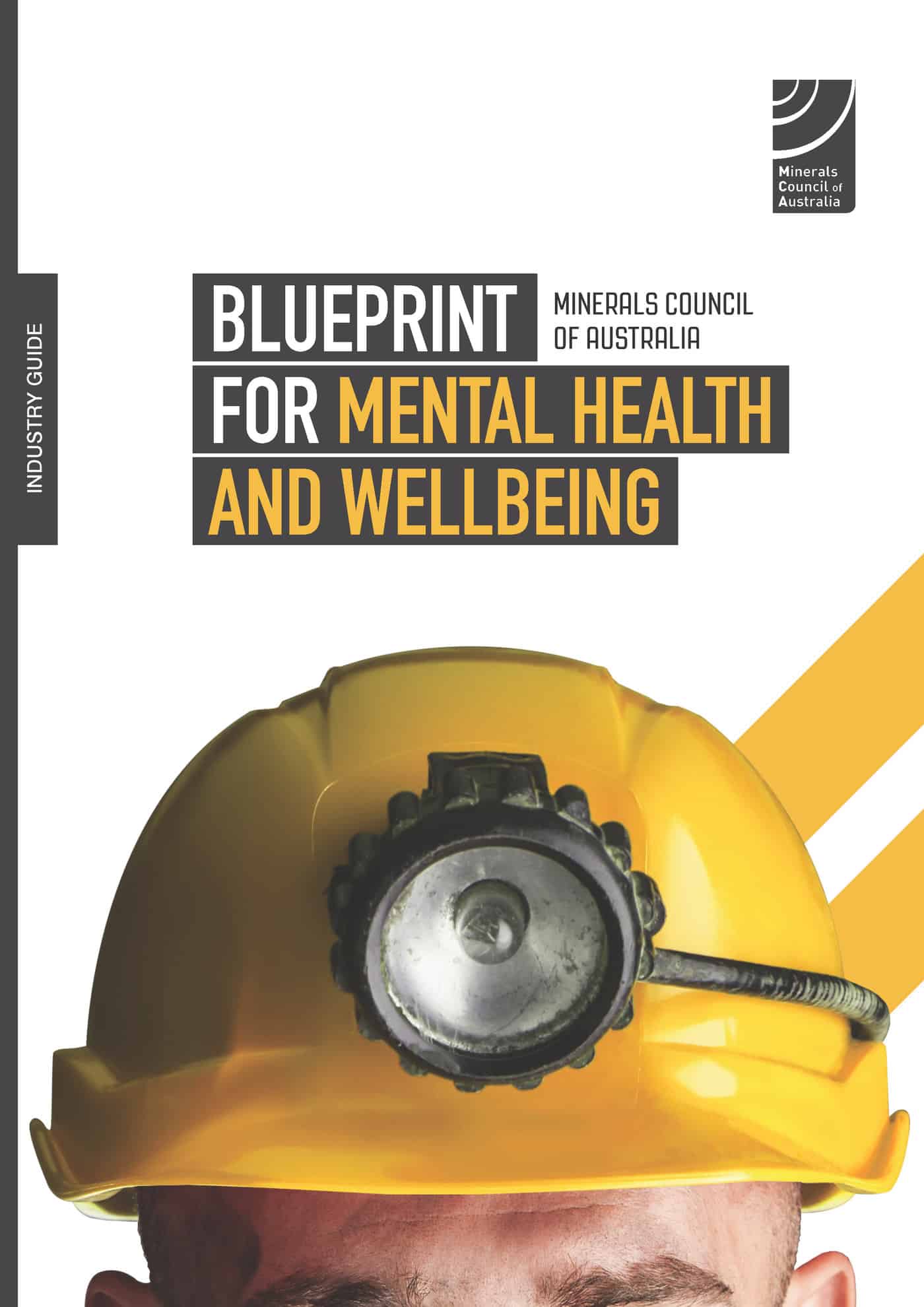 This week in Australia is Mental Health Week. Some call it an Mental Health Awareness Week. Either way the Australian media will be full of experts and “experts”. Workplace health strategies will not be excluded but when reading and listening to this media content, one important point should be remembered – “mental health” is significantly different from “mental illness”.
Such differentiation should not be dismissed as semantics because health, illness, problems and disorders involve different levels of analysis and diagnosis and, therefore, different strategies, interventions and control measures.
Recently the
OHS is in sports but by another name
After writing a recent article about the relevance of occupational health and safety (OHS) laws to sporting clubs, I attended a sports medicine seminar to access a different perspective on workplace safety.
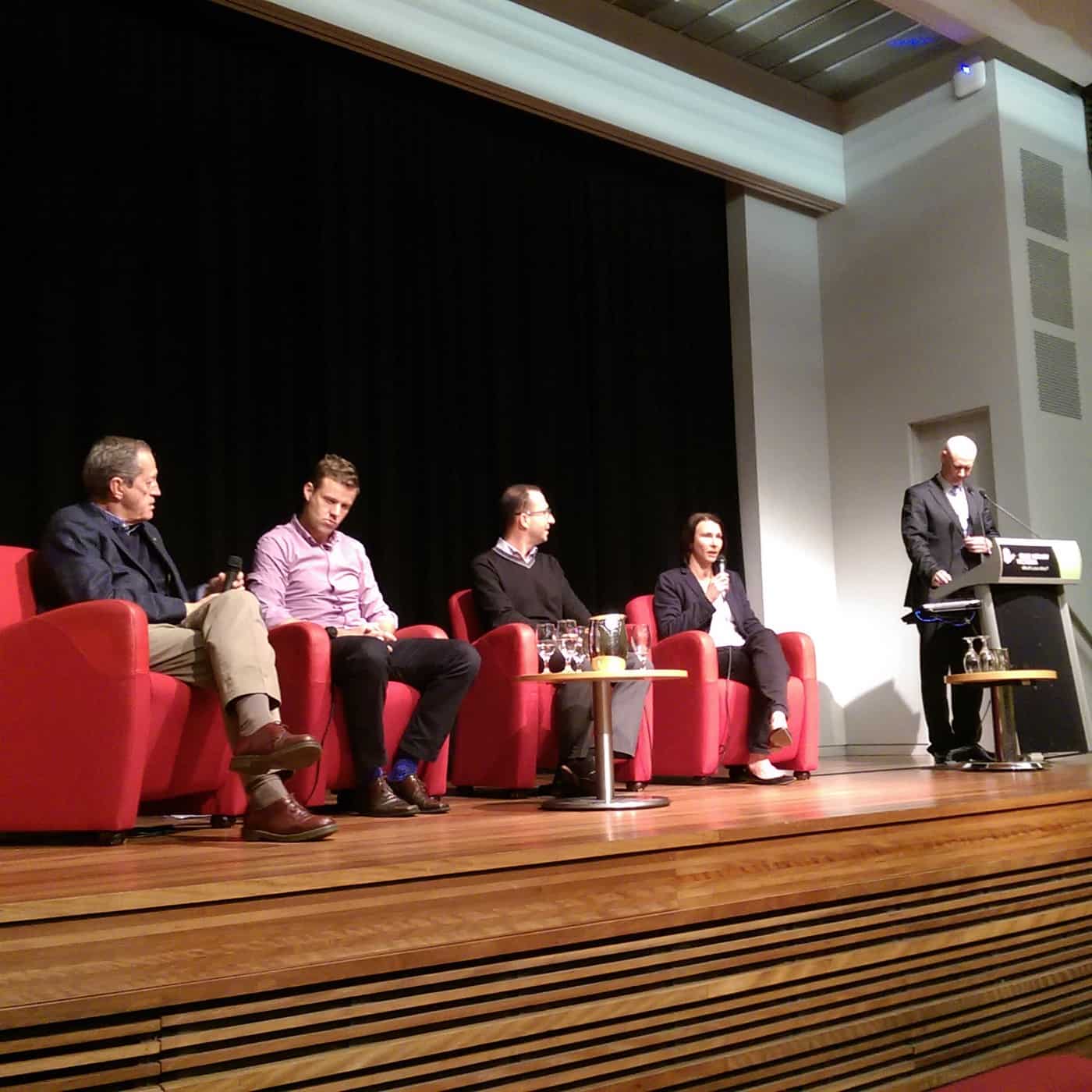 Having never played sports outside the obligatory high school activities, which in my high school also included snooker?!, the world of locker rooms and team sports is foreign. But earlier this week I learnt that where OHS professionals talk about productivity, sportspeople speak of performance, and where factories address line speed, sports physicians talk of load management. I also learnt that professional sportspeople are exempt from workers’ compensation.
Death from a well-known hazard – culture is only part of the answer
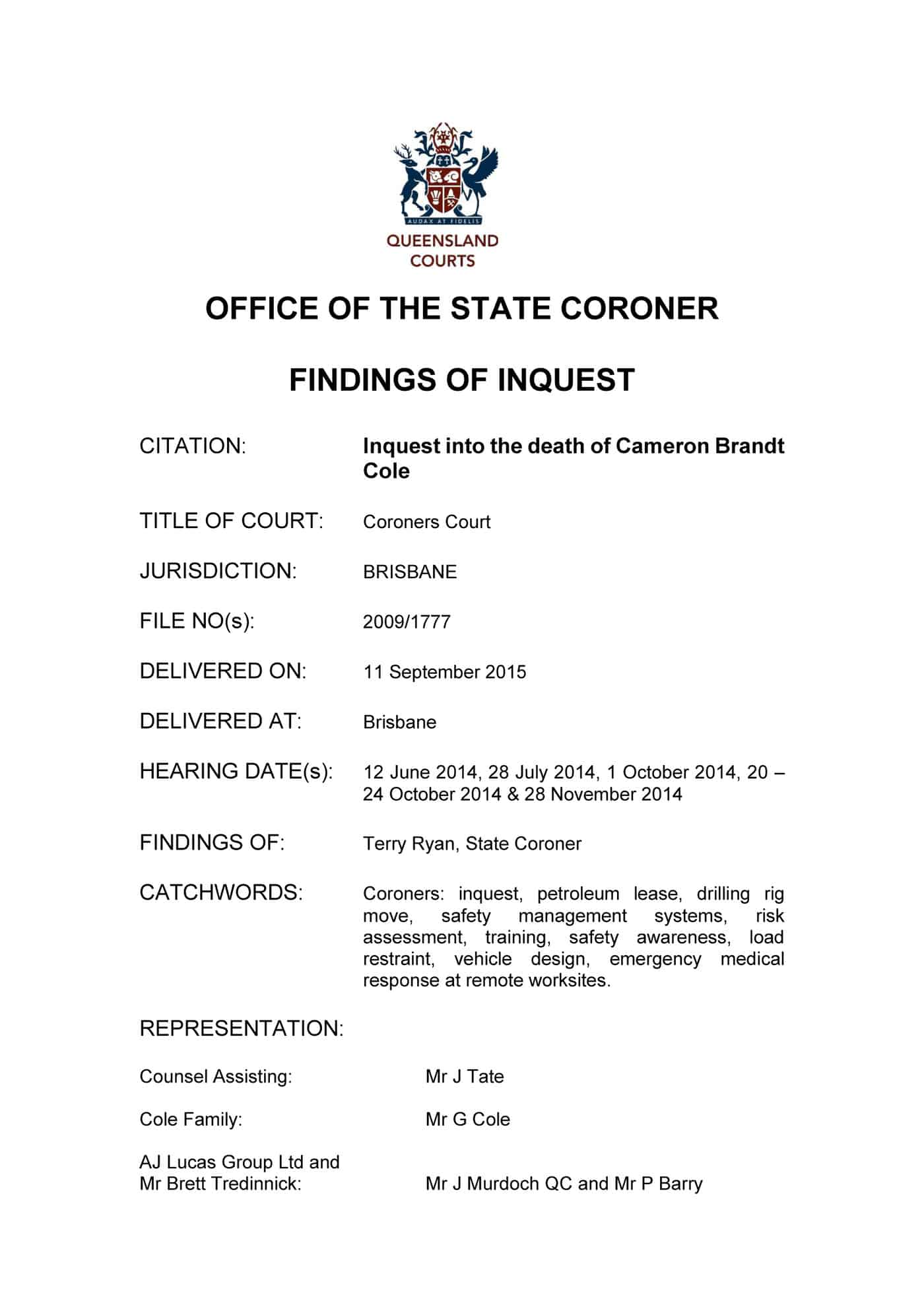 A coronial finding in Queensland in September 2015 illustrates how daily activities can lead to tragedy but also the role of safety culture.
According to one media report, in investigating the 2009 death of 24-year-old Cameron Cole who was hit as a pipe rack fell from a truck, the Queensland Coroner, Terry Ryan, found that
“…the semi-trailer had been over packed, not properly secured and there was no exclusion zone around the vehicle when the load was being released.”
From this event the Coroner makes many recommendations about the safety management of work practices at that time. Many of these reflect common work practices that exist to this day on many Australian worksites.
FIFO mental health challenges the way we do business
Yoga and yoghurt – corporate wellbeing
Professional organisations need to maintain personal contact between members and stakeholders even when social media allows for almost constant contact. Such events benefit from having thoughts challenged and recently one such event in Melbourne, Australia challenged its audience about psychological health and wellbeing.
A recent NSCA Foundation event heard from Andrew Douglas, one of the few workplace relations lawyers who can bridge the law and the real world. He began by describing wellness or wellbeing in a fresh context.
“Wellbeing is that equilibrium that is achieved between challenge and resources.”
This perspective addresses business operations and personnel management as challenges – situations that arise that need controlling or managing. This is a useful perspective as long as people feel up to the challenge and are not defeatist.