Why Quad Bike Safety Reform Keeps Stalling

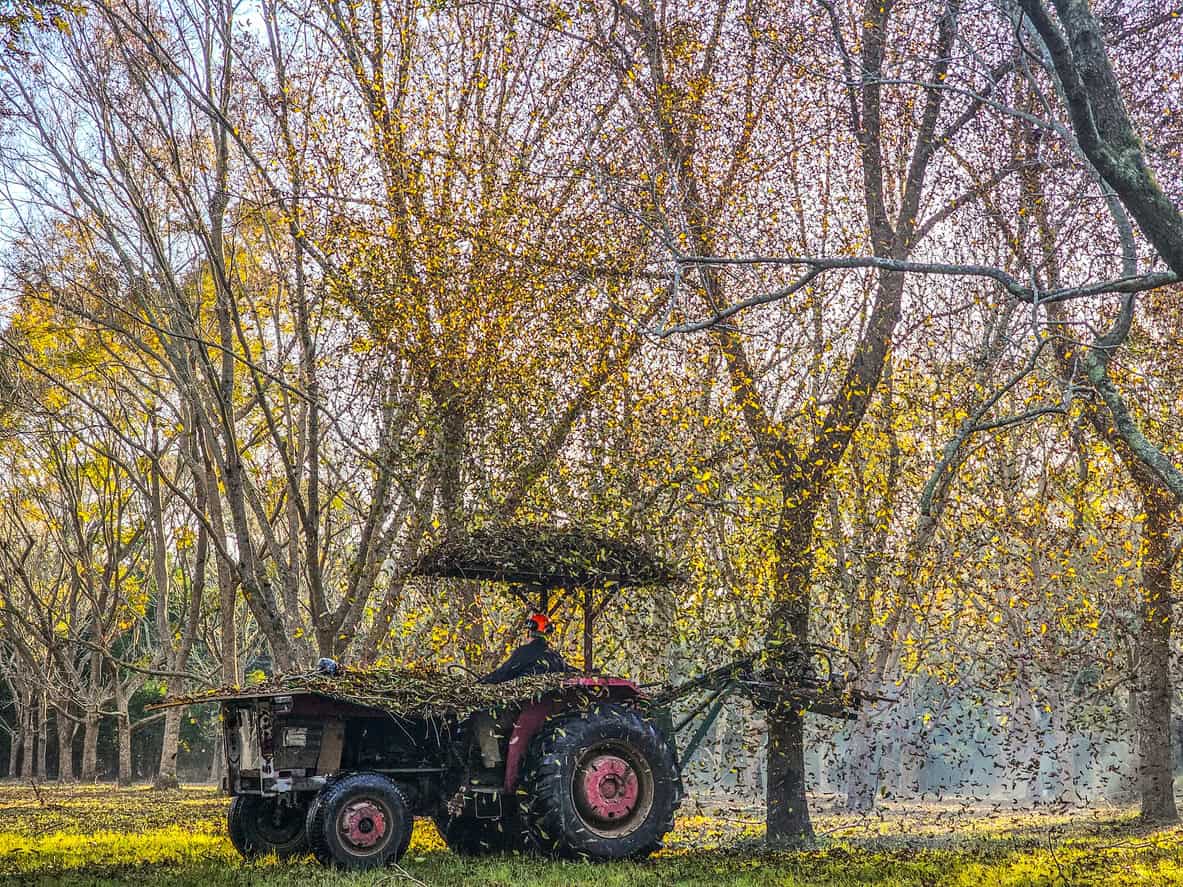
Safe Work Australia’s (SWA) latest consultation on quad bike safety is another reminder that fatalities and serious injuries continue despite years of guidance, rebates, training campaigns and polite encouragement. The evidence laid out in SWA’s consultation paper shows that harm has persisted even after “extensive education and awareness efforts”, so voluntary approaches have reached their limit. When a hazard keeps killing people in the same predictable ways, the question is no longer whether we need stronger regulation but why it has taken so long to get there. This moment demands more than another round of messaging — it demands decisions that actually change the machines people ride and the conditions they ride them in.

Below is my submission to SWA’s consultation process on improving the safety of quad bikes used in the workplace. I strongly encourage everyone to participate.

Subscribe to SafetyAtWorkBlog to continue reading.
Subscribe Help
Already a member? Log in here

“Words and gestures … can only be genuine when they are backed by doing”

As I write this, hundreds of workers’ memorial services are taking place around the world. I usually attend the Melbourne, Victoria, event and wish I could have been there today because one speaker, Lana Cormie, transcended the usual politics and platitudes to outline a broader strategy for occupational health and safety (OHS) reform.

Subscribe to SafetyAtWorkBlog to continue reading.
Subscribe Help
Already a member? Log in here

Why Leadership Empathy Is Not Enough to Prevent Psychosocial Harm

In 2000, Graeme Cowan‘s world collapsed after the “dot-com crash“, leading to an attempt to end his own life. His new book, “Great Leaders Care: Developing Safe, Resilient and Successful Teams“, is an analysis of the consequences of those times and the tools he discovered to stabilise his mental health. There are two clues to his intended audience in the title – “Leaders” and “Teams”. “Leaders” gets his book onto the management and self-help shelves in bookshops and airports. “Teams” flags its Human Resources category. Occupational Health and Safety (OHS) readers may find this book interesting but largely unhelpful.

Subscribe to SafetyAtWorkBlog to continue reading.
Subscribe Help
Already a member? Log in here

The Quad Bike Death That Could Have Happened Any Year

Earlier this month, I was critical of occupational health and safety (OHS) and farmers and asked

“So what can WorkSafe teach them about safety that farmers don’t already know?”

The death of dairy farmer Brad Collins following an incident involving a quad bike is the type of death that could have occurred and been reported at any time over the last few decades. Surely, a change in the cultures of farming, safety, and enforcement is required? Are we at “peak safety” on the deaths of farmers from quad bikes? Can nothing more be done?

Subscribe to SafetyAtWorkBlog to continue reading.
Subscribe Help
Already a member? Log in here

Why Corporations Reject the Models That Would Prevent Harm

Walk through any corporate sustainability report and you’ll find the same familiar choreography: a glossy declaration of “unwavering commitment to safety,” a handful of photos featuring smiling workers in immaculate PPE, and a CEO foreword that reads like it was written by a risk‑averse committee. What you won’t find is any serious engagement with the economic structures that produce harm in the first place.

For decades, scholars have been mapping the relationship between capitalism and workplace injury. They’ve shown, with depressing consistency, that harm is not an aberration but a predictable by‑product of systems designed to extract value from labour while externalising risk. Yet when these same scholars propose alternative models — models that would reduce harm by redistributing power, stabilising labour markets, or democratising decision‑making — executives respond with a familiar repertoire of excuses.

This article examines why. In a couple of real-world case studies, corporations were presented with opportunities to adopt safer, fairer, more accountable models — and chose not to.

Because the truth is simple: executives don’t reject these proposals because they’re unworkable. They reject them because they work exactly as intended.

Subscribe to SafetyAtWorkBlog to continue reading.
Subscribe Help
Already a member? Log in here

Who is responsible?

Another nightclub fire due to pyrotechnics resulted in many deaths and injuries. Investigations have started, and there is a scramble about who was responsible for not reducing the risks of this type of incident.

The Australian Financial Review reported (via the New York Times and paywalled) on the lack of regulatory enforcement by local authorities.

Subscribe to SafetyAtWorkBlog to continue reading.
Subscribe Help
Already a member? Log in here

Workplace Suicides Becoming Australia’s Next Regulatory Flashpoint

You should have heard by now that Safe Work Australia (SWA) has come through with guidance on having work-related suicides included in each jurisdiction’s occupational health and safety (OHS) legislation as incidents that will require notification to the local OHS regulator. If you haven’t, get a new OHS or Human Resources (HR) adviser because the future will be a bumpy, uncomfortable and challenging ride.

Warning: this article discusses suicide.

Subscribe to SafetyAtWorkBlog to continue reading.
Subscribe Help
Already a member? Log in here
Concatenate Web Development
© Designed and developed by Concatenate Aust Pty Ltd