‘Enough was Enough’ over a decade ago and the mining industry failed to act then

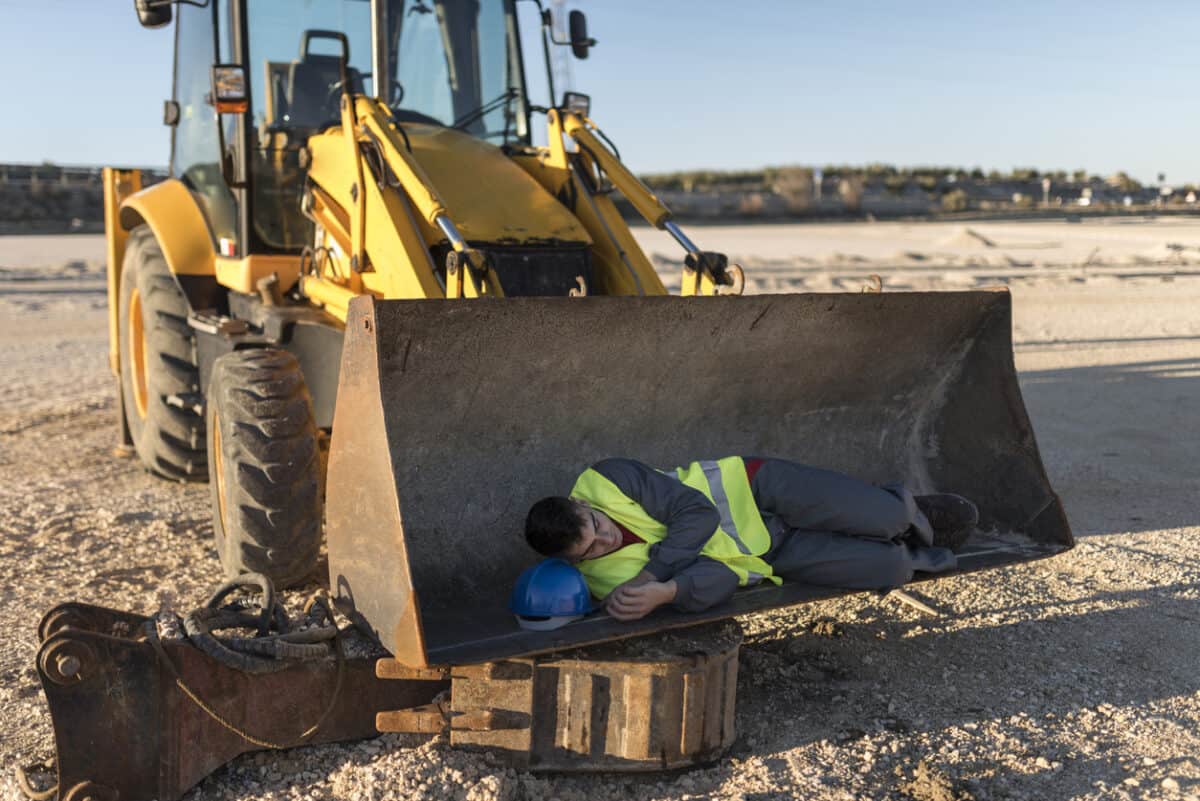
The recent report on sexual harassment at West Australian mine sites deserves national attention for several reasons.  The stories are horrific, partly because many of us thought such stories were in the distant past.  The fact that many are recent should shock everyone into action. 

The report “Enough is Enough”is highly important, but its newsworthiness seems disputable.  Some media have covered the report’s release but the newsworthiness, in my opinion, comes less from this one report but from the number of reports and research on sexual harassment, bullying, abuse, disrespect and more in the mining sector over the last twenty years that have done little to prevent the psychosocial hazards of working in the mining and resources sector and especially through the Fly-in, Fly-Out (FIFO) labour supply process.
Subscribe to SafetyAtWorkBlog to continue reading.
Subscribe Help
Already a member? Log in here

Assessing the best places to work

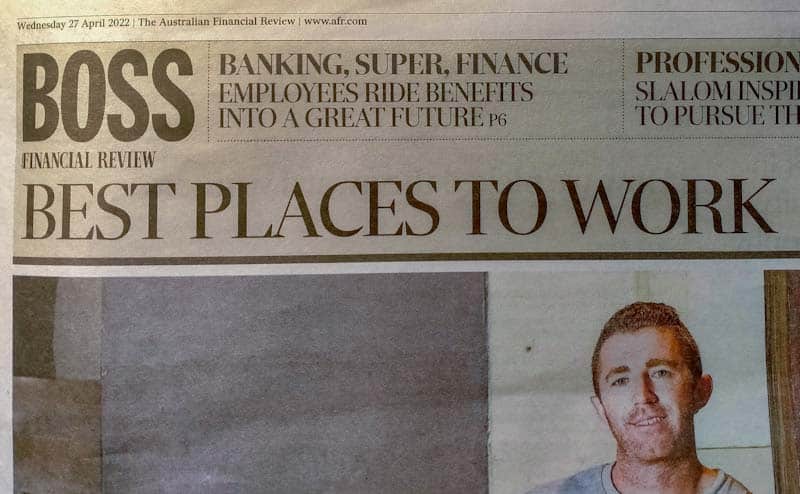
On April 27 2022, a leading Australian business newspaper, the Australian Financial Review (AFR), included a supplement called the “Best Places to Work” (paywalled). I purchased a hard copy (yes, they are still available) to look for occupational health and safety (OHS) mentions.

“Best” is hard to define. It could mean safest, it could mean best paid, it could mean friendliest. Because the supplementary allocates awards for the best places to work, the judging consultants, Inventium, included its criteria. You can already guess some of the focus of the awards as Inventium is described as “Australia’s leading behavioural science consultancy”. The assessment of the applicants involves:

Subscribe to SafetyAtWorkBlog to continue reading.
Subscribe Help
Already a member? Log in here

“can’t afford” means “don’t want to”

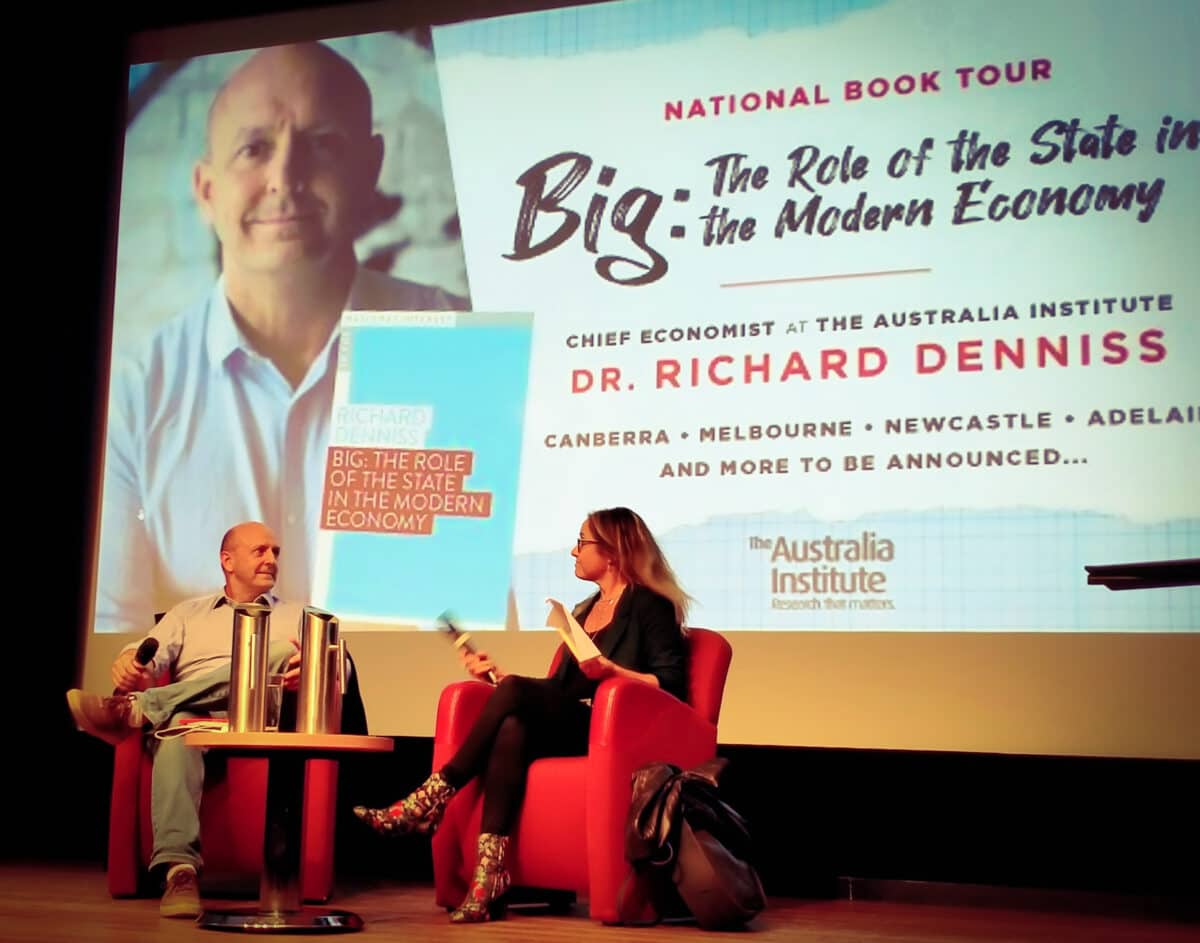
Richard Denniss, an economist with The Australia Institute, discusses economics differently from other economists. He will seldom discuss occupational health and safety (OHS). He rarely talks about industrial relations. Instead, he talks about the big picture by drawing on many sources and disciplines, which is why he is so interesting to listen to.

This week he was on a national book tour for his latest publication on the role of the State in the modern economy and some of his opinions connected with the management of workplace health and safety.

Subscribe to SafetyAtWorkBlog to continue reading.
Subscribe Help
Already a member? Log in here

It’s all about the context

Occupational health and safety (OHS) should prevent any of its conference speakers from ever using the image of an iceberg or a triangle to illustrate managerial theories. The images are valid but have been done to death in conferences over the last decade.

I came to this position when recently reading a very short article on Systems Thinking by Veronica Hotton in Dumbo Feather magazine. Hotton used the iceberg as a visual metaphor for what can be seen and what is less visible but equally influential and much larger than the visible top.

Her article is a very good, succinct explanation of systems thinking for the general reader, but I was less interested in the iceberg and more in the ocean.

Subscribe to SafetyAtWorkBlog to continue reading.
Subscribe Help
Already a member? Log in here

We need a revolution in how we think about working hours

If there was only one way available to improve the health and safety of workers in Australia, it would be to limit and enforce working hours to those in the official Awards and job descriptions.

This situation which would really be simply a case of working-to-rule, would need to be supported by other not unreasonable changes, in no particular order:

Subscribe to SafetyAtWorkBlog to continue reading.
Subscribe Help
Already a member? Log in here

HR and OHS remain “nice-to-haves.”

The recent HR/OHS article was an article originally intended to link to International Women’s Day regarding “female” business roles and influence. Coincidentally my social media feeds popped up a 2015 article from the Harvard Business Review entitled “Why We Love to Hate HR…and What HR Can Do About It“.

The author, Peter Capelli, reminds us that in the 19950s and 1960s Personnel Management was considered “the most glamourous area in business by executives” as it was considered integral to developing the business. Human Resources changed when an increasing number of managers were appointed from outside the organisation and the “full employment” of the 1970s reduced the perceived need for powerful HR departments. The HR role was reduced to essential services of hiring and retention.

Capelli suggested two strategies to regain influence, which are equally relevant to the occupational health and safety (OHS) professional:

Subscribe to SafetyAtWorkBlog to continue reading.
Subscribe Help
Already a member? Log in here

What does the IPCC report on climate change say about work?

Global warming will affect the way we work.  This was acknowledged in the most recent report from the International Panel on Climate Change.  The 3,676-page report cited several research papers related to these changes.  Below is a list of those papers and comments on the abstracts, where available.

Vanos, J., D. J. Vecellio and T. Kjellstrom, 2019: Workplace heat exposure, health protection, and economic impacts: A case study in Canada. Am. J. Ind. Med., 62(12), 1024-1037, doi:10.1002/ajim.22966.  https://pubmed.ncbi.nlm.nih.gov/30912193/

This abstract recommends “Providing worksite heat metrics to the employees aids in appropriate decision making and health protection.” This research adds to one’s state of knowledge but may not help with which on-the-ground decisions need to be made.

Subscribe to SafetyAtWorkBlog to continue reading.
Subscribe Help
Already a member? Log in here
Concatenate Web Development
© Designed and developed by Concatenate Aust Pty Ltd