Jail or Ruin? Is deterrence still effective?

This week Dr Rebecca Michalak wrote that penalties for breaches of occupational health and safety (OHS) laws need to be personal for people to understand the potentially fatal consequences at the work site or decisions that are made in the comfort of the boardroom. In this sentiment she echoes the aims of many who have been advocating for Industrial Manslaughter laws and also touches on the role of deterrence. But when people talk about Jail, are they really meaning Ruin? And do these options really improve workplace health and safety?

Subscribe to SafetyAtWorkBlog to continue reading.
Subscribe Help
Already a member? Log in here

Lessons from the US

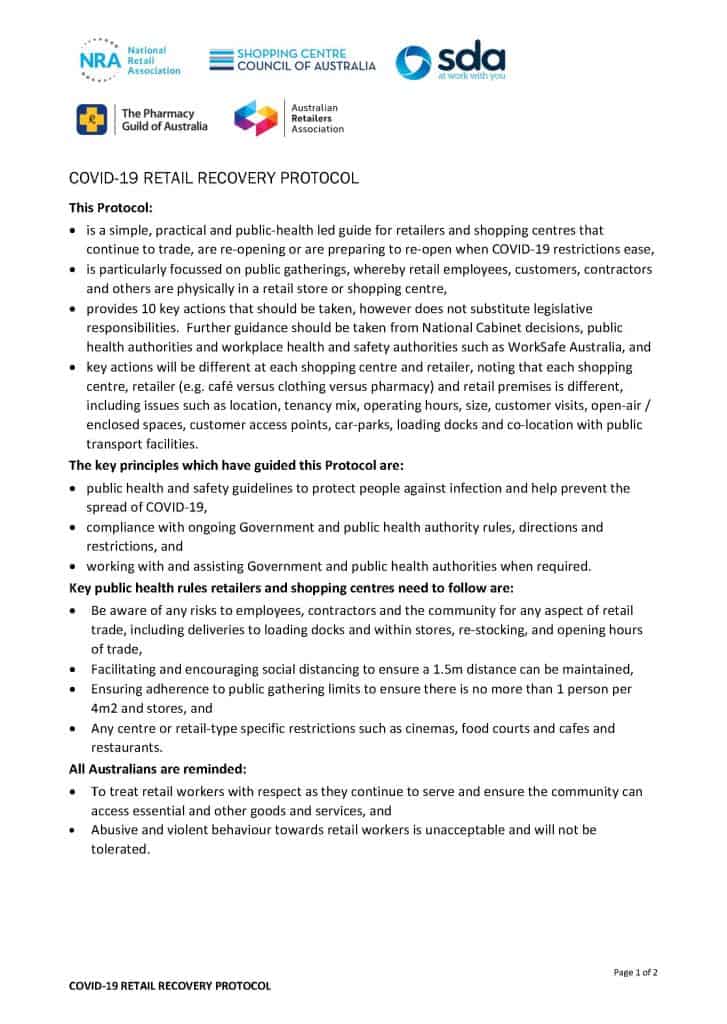
The current COVID19 pandemic has presented businesses with a confusing risk challenge. Is the risk of infection a public health issue or an occupational health and safety (OHS) issue? The easy answer only adds to the confusion – it is neither and both.

In relation to epidemics and pandemics these are public health risks within which the OHS risks must be managed. In Australia, many of the OHS regulations and agencies were slow to provide the level of detailed guidance that employers were requesting and this was partly due to the regulators and agencies having to scramble together working groups and experts to rapidly produce such guidance. The situation in the United States offers a useful and reassuring comparison to how the Australian governments have responded but also offers OHS lessons for Australian employers.

Subscribe to SafetyAtWorkBlog to continue reading.
Subscribe Help
Already a member? Log in here

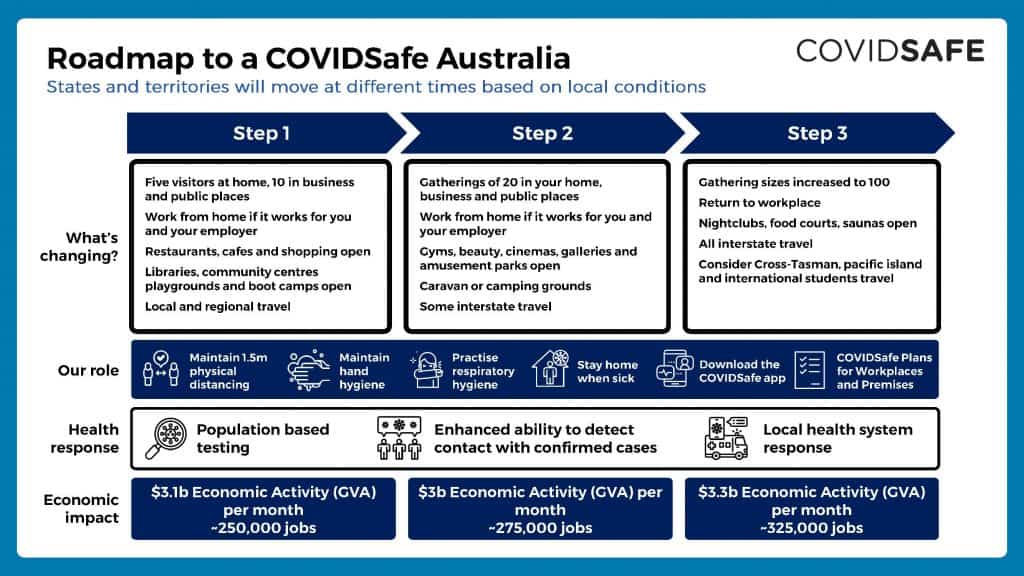
Progress back to the old normal

The discussion about recovery from the COVID19 pandemic is starting, particularly in Australian and New Zealand where the infection and death rates seem to be declining quicker than in other countries. The Business Council of Australia (BCA) released its recovery plan on 20 April 2020. The media release is entitled “Business crucial to a safe return to normal“. The word “normal” is more loaded at the moment than normal 🙂 because it belies an assumption that what existed before the outbreak of COVID19 is how the world should be, even though the pandemic has illustrated weaknesses in what used to be the “normal”.

SafetyAtWorkBlog will focus on those elements of the BCA plan that directly or indirectly affect the physical and psychological health of workers but there is also some text, and subtext, that illustrates the ideological position of the BCA.

Subscribe to SafetyAtWorkBlog to continue reading.
Subscribe Help
Already a member? Log in here

Possible replacements for Safe Work Method Statements

Could improving the situational awareness of workers replace Safe Work Method Statements?

Many Australian occupational health and safety (OHS) professionals rally against the dominance of Safe Work Method Statements (SWMS). The application of SWMS beyond the legislated high-risk construction work parameters increases the amount of safety clutter and misrepresents OHS as being able to be satisfied by a, predominantly, tick-and-flick exercise. But critics of SWMS are rarely pushed on what, if anything, should replace SWMS? SafetyAtWorkBlog asked some experts and looked closer at the issue.

Subscribe to SafetyAtWorkBlog to continue reading.
Subscribe Help
Already a member? Log in here

Inspection data offers COVID19 risk priorities

The coronavirus pandemic is an unexpected challenge for many employers and for workers. As this article from the Australian Broadcasting Corporation shows, there is confusion about the rights and duties of both parties at work.

Larry acted under his duty to not put himself at harm by raising his concern to his employer. The employer should have already determined that the workplace is safe and without risks to health and implemented control measures to reduce the risk of cross-infection. Guidance on how to do this has existed for several weeks.

Subscribe to SafetyAtWorkBlog to continue reading.
Subscribe Help
Already a member? Log in here
Concatenate Web Development
© Designed and developed by Concatenate Aust Pty Ltd