

When Australia harmonised its occupational health and safety (OHS) laws, the management focus broadened to include work, and not just workplaces. Some “knowledge” or white-collar work can be done anywhere, and employers have often struggled to understand how to extend their OHS management systems and duties to apply to this revised or expanded system of work. Current OHS guidance on working from home is too “big picture” when employers are addressing localised decisions.
Category: Duty of Care

The US take on heat and climate change
Coincidentally, as Europe burns and a little blog in Australia writes about the occupational context of excessive heat, a new book called Heat – Life and Death on a scorched planet was in the bookstores. Jeff Goodell, like so many North American authors, writes for his local readers even though his publishers sell books globally.
However, he does address the occupational health and safety (OHS) impacts of heat and offers some adaptations.

Do you fix the fish or the aquarium?
Guest post from Jason van Schie
We can all (hopefully!) agree that looking after workers makes sound business sense. Look after your workers, and they will look after you.
So what is the best way to care for employees? By responding to their symptoms of distress through provision of reactive services like EAP [Employee Assistance Program] and resilience apps (fixing the fish), or by improving the design, management and social interactions at work (the aquarium)?
Let’s park that question for a minute and consider two questions:
1) What happens when we fix the worker but not the work? and
2) If population health is the goal, which approach is more likely to achieve the desired result?

Job redesign should be a measure of business leadership
A consistent, manageable workload balanced by official leave and hours allowing social reconnection and mental recharge is ideal. It is the structure on which Industrial Relations (IR) and occupational health and safety (OHS) are based. Many people struggle to achieve this ideal even when it is prescribed by workplace laws. Many jobs simply ignore this prescription. In The Age newspaper on July 15 2023, journalist Jane Cadzow wrote about one of these jobs, the “Political Chief of Staff”. The inherent harm of the job was noted in the headline:
“‘They’re driving me insane’: The 24/7 life of a political chief of staff”

Return to Office demands miss the point
This week a colleague told me that the return to the workplace demands by companies is the most significant issue for 2023. Perhaps, but it is no longer a significant occupational health and safety (OHS) challenge. The directions of company executives are couched in terms of productivity and management comfort. A short while ago, the cause of pre-vaccine tension was masks, hygiene, “dirty” public transport and mandatory vaccinations.
The issues have shifted from the avoidance of infections to the anxieties of returning to the office, which coincidentally places the issue in the OHS contexts of psychosocial issues and worker welfare.
OHS and exploitation
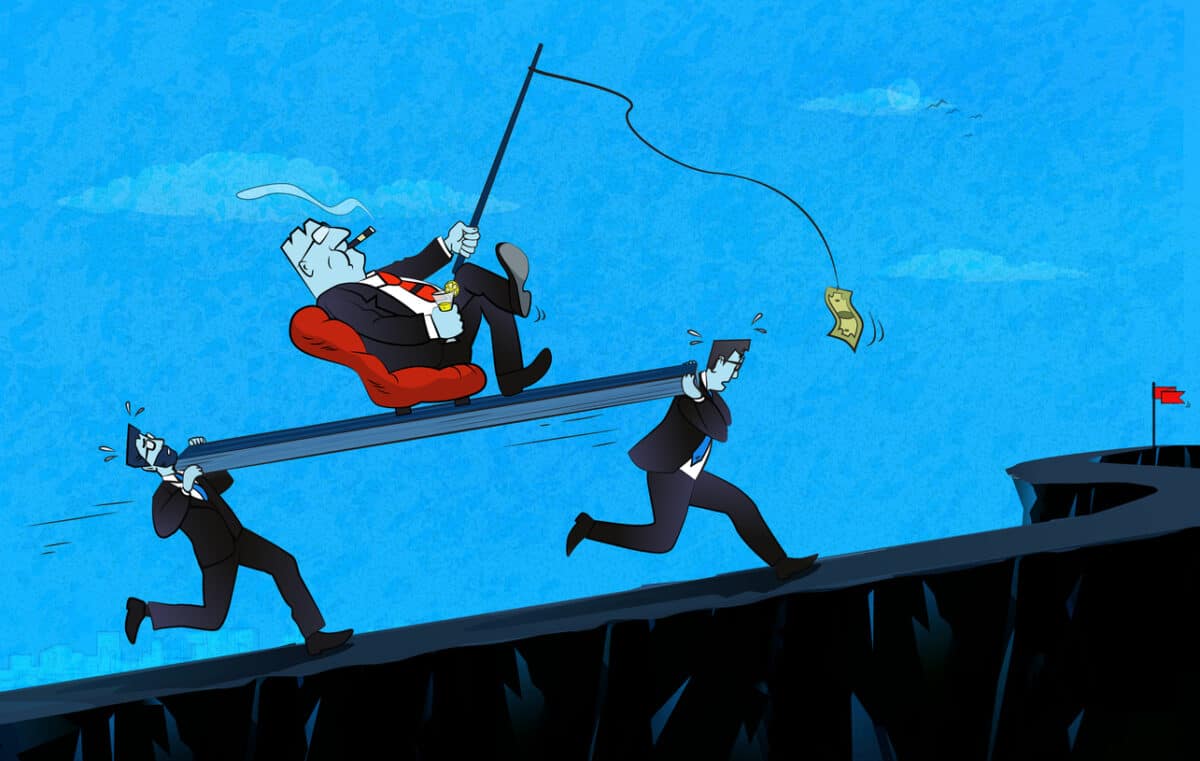
Work-related harm is often generated by exploitation, but exploitation is a term rarely used by the occupational health and safety (OHS) profession. If it was, the OHS approach to harm prevention may be very different, especially now that a safe and healthy working environment is a fundamental right.
Perhaps the omission of exploitation is not that surprising. It is often seen through the lens of industrial relations, and a flexible demarcation often exists between IR and OHS. It is important to note that the International Labour Organisation’s Glossary of OSH terms also fails to include exploitation though it is from 1993.
However, a recent report from the Grattan Institute, Short-changed: How to stop the exploitation of migrant workers in Australia, does discuss workplace health and safety as an element of worker exploitation.
Employers’ continuing “intolerable laxity”
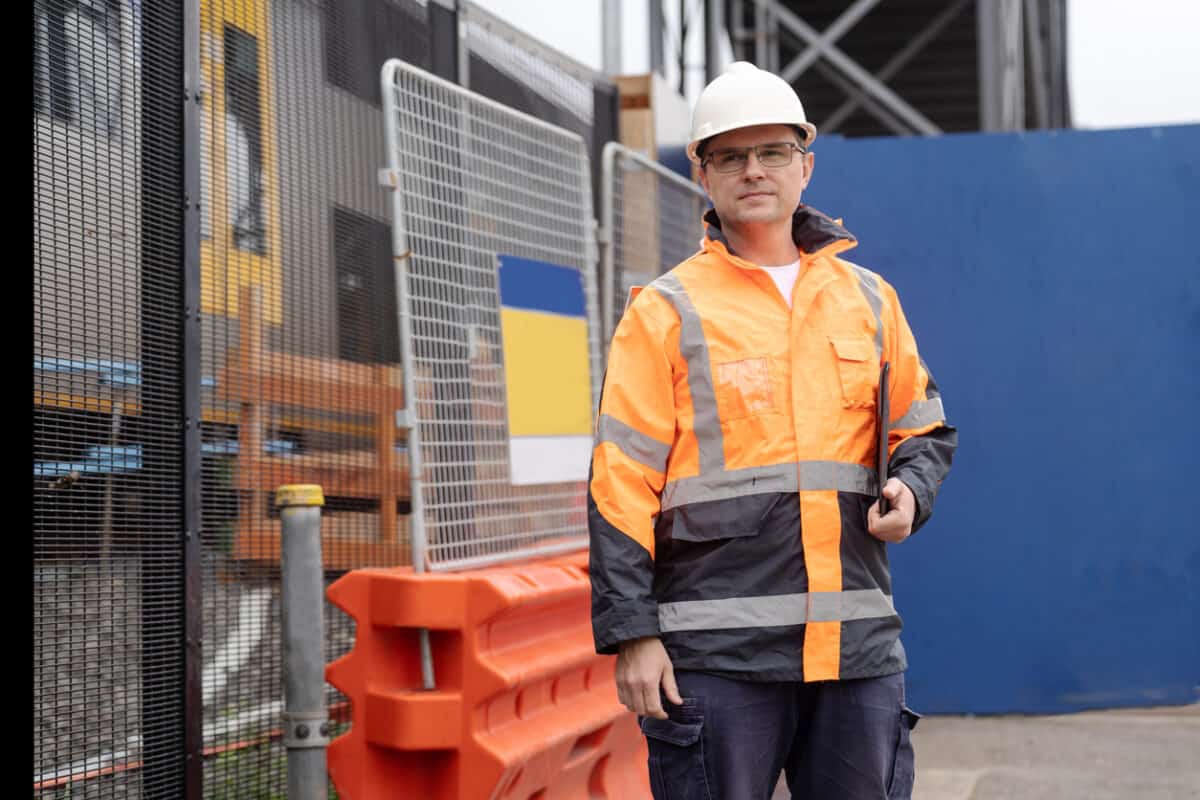
Recently a discussion of occupational health and safety (OHS) in Australia’s construction industry during COVID-19 lockdowns was published. “What’s it going to take? Lessons Learned from COVID-19 and worker mental health in the Australian construction industry” is thankfully “open access” and well worth reading for its strong and controversial OHS recommendations, but it could have paid more attention to the role of the employers or Persons Conducting a Business or Undertaking (PCBU) in applying legislative OHS obligations and how their resistance continues to harm workers.