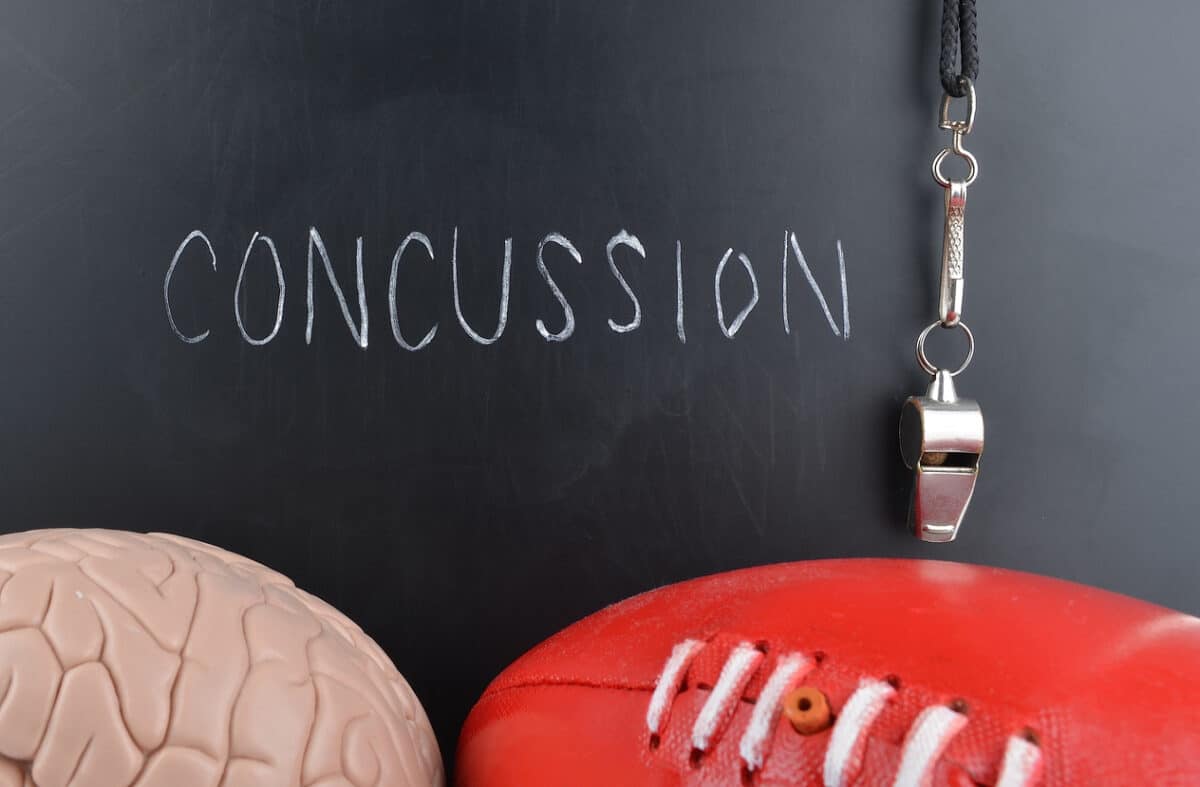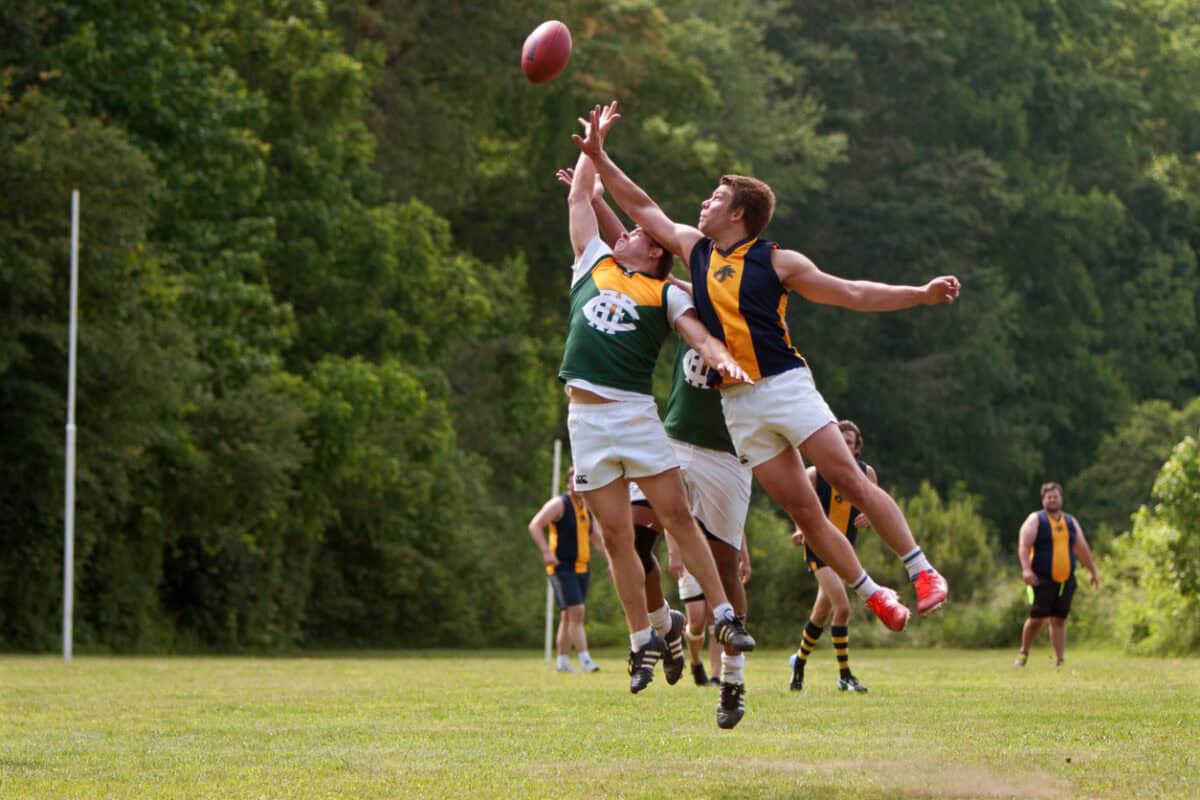
Every time a sporting body is confronted with concussion data, someone inevitably asks whether the game can be played without the risk. In most industries, that question is the starting point for a “so far as is reasonably practicable” (SFAIRP) analysis. In sport, it’s treated as heresy. But if we apply the same occupational health and safety (OHS) logic to Australian rules football that we apply to construction, mining or manufacturing, the answer is, if you want to eliminate concussion and the risks of chronic traumatic encephalopathy (CTE), you have to eliminate the mechanisms that cause it. And once you do that, you no longer have the game as we know it.
Category: football
AFL, CTE and SFAIRP: When “the rough and tumble” becomes a foreseeable harm
The death of 23‑year‑old footballer Nick Lowden should force the Australian Football League (AFL) and every sporting body that claims to care about player welfare to confront the fact that the risks of brain injury in Australian football are no longer mysterious, emerging, or debatable. They are foreseeable, documented, and cumulative. And once a risk is foreseeable, the occupational health and safety (OHS) duty to eliminate or minimise it so far as is reasonably practicable (SFAIRP) applies.
A Four Corners investigation to be broadcast on June 29, 2026, examines Lowden’s death. (This article is based on some preliminary reporting on the issue by the Australian Broadcasting Corporation)
Professional Sport as a Workplace: Elijah Hollands, Mental Health, and Employer OHS Duties
Most countries and regions seem to have a sport of cultural significance. Australia has several, but all professional sports are played in workplaces, the players are employees, and the sporting clubs are employers. Most have a supervisory and administrative body. Recently, an Australian Rules Football player, Elijah Hollands, displayed signs of a mental health condition during a match. Some spectators noticed that “something was wrong”; some players noticed this at the time, but Hollands played three-quarters of the game, offering only one direct contribution to play, before he was taken off, to only return later in the last quarter. The ABC and 7News provide a good background to the situation
The questions that remain unanswered are why Holland’s employer did not remove a clearly unwell player earlier, and whether the Carlton Football Club breached its duty of care.
Poor footballer mental health may be a symptom of CTE, but it is the risk of CTE that should be prevented
The concussion risks of sportspeople continue to appear in the media and popular discussions after every suicide, death, or retirement of sportspeople who play contact sports. Recently, Alan Pearce, Professor, Adjunct Research Fellow, School of Health Science, Swinburne University of Technology, wrote an opinion piece for The Australian newspaper (paywalled) that touched on some occupational health and safety (OHS) themes that deserve expanding.
[This article discusses suicide]
Australia’s ABCC argument is not about safety
Australia’s Prime Minister Malcolm Turnbull is on a pathway to an election. On March 21 2016, the Prime Minister wrote to the Governor-General to continue a convoluted process sparked by the Senate’s refusal to pass laws that will allow the reintroduction of the Australian Building and Construction Commission (ABCC). One of the justifications for the need to pass the laws is to improve workplace safety, as in the excerpt below for the Prime Minsiter’s letter. This position is unjustified.
Continue reading “Australia’s ABCC argument is not about safety”
OHS formally enters professional sports
On November 9 2015, WorkSafe Victoria charged the Essendon Football Club with breaches of the occupational health and safety (OHS) law over its controversial supplements program. This blog has watched how the Australian Football League (AFL), in particular, has acknowledged its OHS obligations and duties. This interest has been shared by Dr Eric Windholz who wrote about the charges today.
Windholz acknowledges that WorkSafe Victoria has established a formal presence in professional sports with its decision to prosecute.
Australian Football’s corporate approach to OHS
Recently the CEO of the Australian Football League (AFL), Andrew Demetriou addressed a breakfast gathering in Melbourne on the issue of “OHS in the AFL”. He spoke almost entirely about policy initiatives without specifically addressing occupational health and safety but after a while we came to understand he was speaking of OHS from his senior executive perspective rather than the level where traditional control measures are implemented.
This was a legitimate approach to OHS but one that is rarely heard, perhaps because the AFL is a unique sporting body. There was no mention of concepts dear to the hearts of CEOs such as Zero Harm or Safety Culture. In fact there was hardly even a mention of Leadership.
Continue reading “Australian Football’s corporate approach to OHS”