
Three recent legal commentaries reveal something important about the evolution of workplace health and safety. They address different issues, from board governance to sexual harassment investigations and cumulative psychosocial hazards, but they all point to the same conclusion: employers are running out of opportunities to treat psychological health as an individual problem. We may be at the start of a work revolution.
Category: Governance
Billable Hours, Suicide Risk and the Professional Class’s Blind Spot
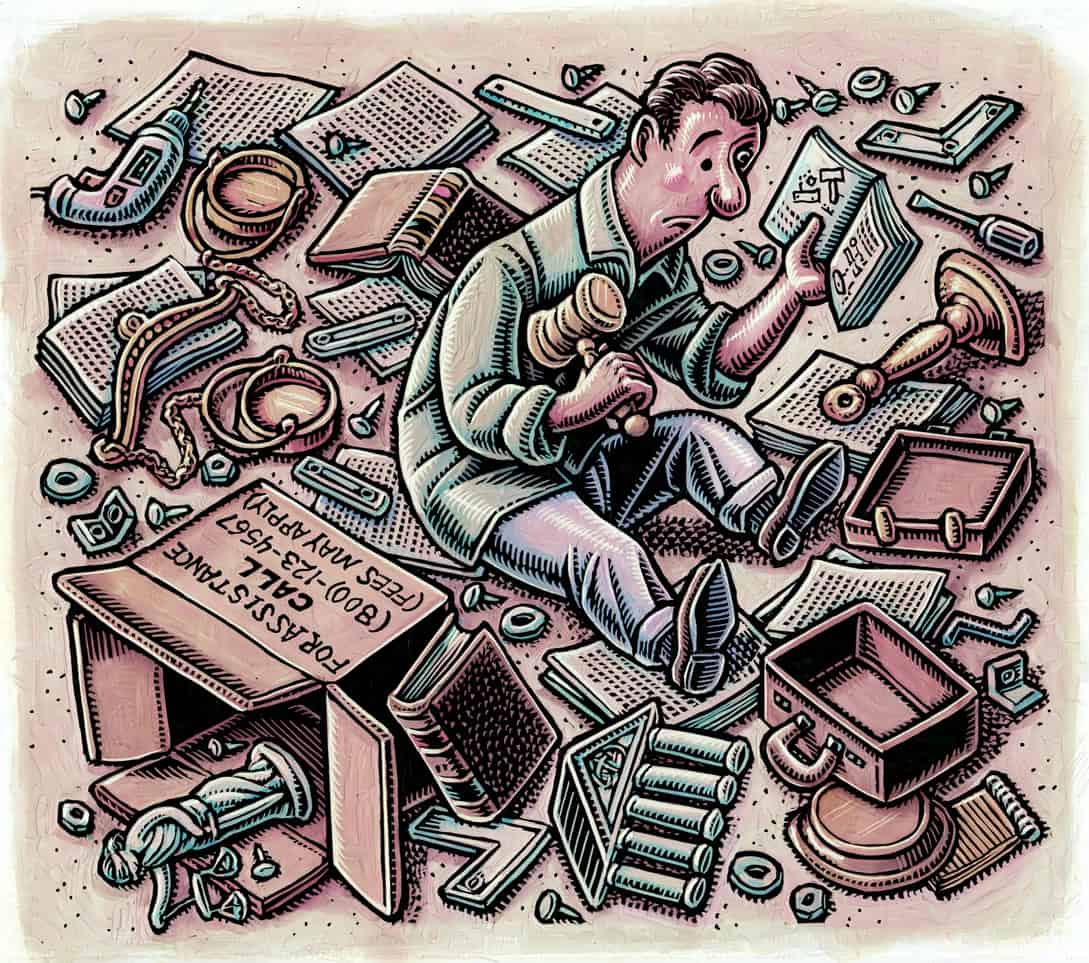
The legal profession has spent decades asking why lawyers are burning out, becoming depressed and leaving practice. The newly released Mental Health and Wellbeing in Legal Workplaces: A Global Guide may have inadvertently provided the answer. As is becoming clear elsewhere, the “mental health crisis” is less a psychological problem than an organisational and systemic one, even in a profession with a strong institutional culture, high legislative awareness and a sense of sophistication.

OHS Clarity Emerges Early in Victoria’s New Royal Commission
The Victorian government has commenced its Royal Commission into the Integrity of Major Public and Civil Infrastructure Construction Projects in Victoria. Occupational health and safety (OHS) was mentioned on Day 1 in the opening statements of Counsel Assisting the Commissioner, Chris Young KC, indicating that OHS may feature in the investigations over the next year.
Why Context Matters More Than Ever in Psychosocial Risk Management
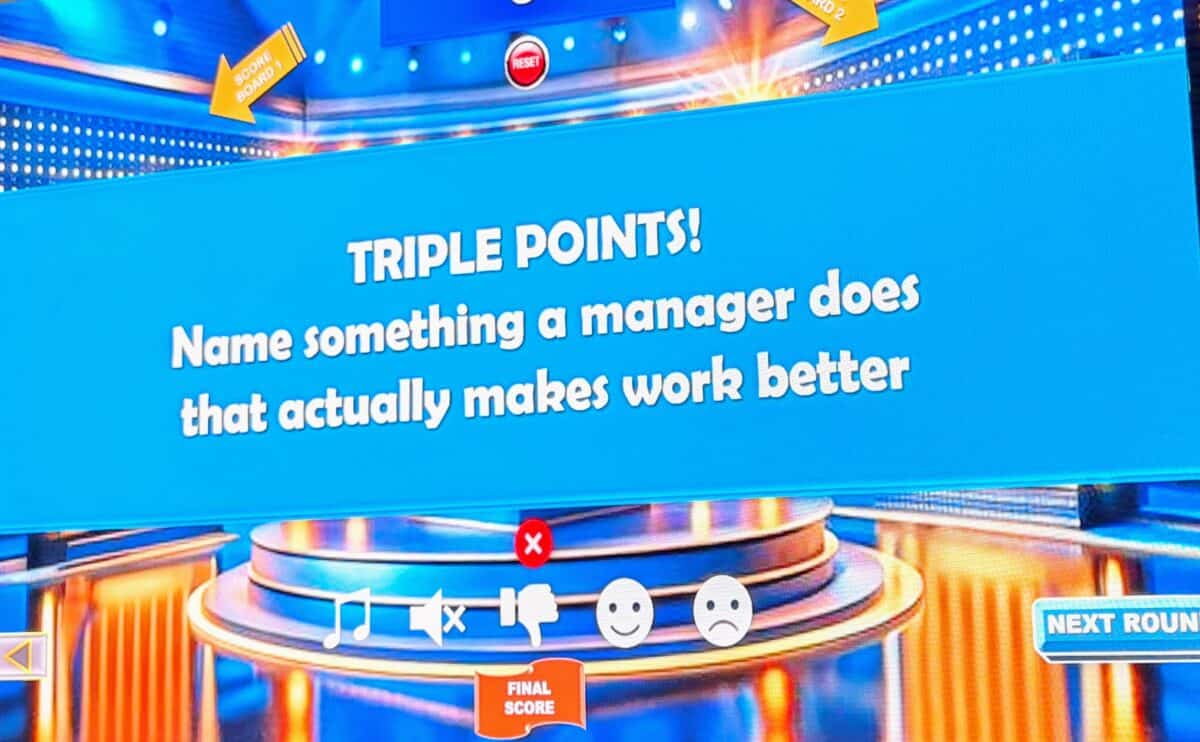
Day 1 of FlourishDx’s Psych Health and Safety conference ended this year with a flourish, featuring a Family Feud-style contest between Occupational Health and Safety (OHS) and Human Resources (HR). It was a raucous conclusion to a day of mixed safety messages.
Turning Moral Questions into Action on Workplace Safety
There seems to be an increase in democratic socialism in the United States. Socialism-based principles, the “common good,” the Green New Deal, limitarianism, post-neoliberalism, and others are being discussed with increasing seriousness. Underpinning these ideas is respect for humans (and others), a push to understand the limits and potential of humans, and a countering of the idea that humans are primarily “units of labour” and that their only value is determined by their productivity. Perhaps it is time to engage directly with, and politely challenge, these entrenched business approaches.
Another corporate scandal — and why this matters for OHS
Another major company, KPMG, has been caught out in unethical behaviour, lies and mismanagement, only a few years after PwC’s scandal and not long after the damning Banking and Finance Royal Commission. These are the very institutions we are told to treat as exemplars of leadership and governance. Their repeated failures should force employers to question the advice they receive from these firms, including on occupational health and safety (OHS), psychosocial risk and organisational culture.

When Values Become Weapons in Politics and Workplaces
I don’t believe that all occupational health and safety (OHS) principles, risk assessment tools, or values are relevant to the non-work culture, but there is sufficient overlap for OHS to offer a framework for hazard identification, incident investigation, and potential risk control options. The current political debate in Australia about “Australian values” and immigration offers an illustration of this overlap; an overlap and debate that is being echoed in the United Kingdom.