
At a remembrance service in December 2014, the founder and outgoing deputy director of the Creative Ministries Network (CMN), John Bottomley, explained his refusal of funding from the Victorian WorkCover Authority (VWA) for CMN’s work-related grief support services (now called GriefWork). VWA has a different take on his comments.
In discussing the relevance of the Book of Isaiah to the motivations of the CMN to help people, Bottomley said that
“… it is God’s response to injustice and suffering that has planted this same spirit at the heart of our endeavours to transform work-related harm.
So CMN rejected VWA’s contract in April this year, after WorkSafe had funded our agency for over ten years to provide grief support services. My reason for rejecting the new contract was that VWA wanted to hide bereaved families grief from the public domain of injustice at work. The contract brief treated grief as an individual psychological problem to be addressed behind the closed doors of a clinic shut off from the rest of society. The contract wanted to treat work-related grief like an illness, and treat grieving families as sick and lacking the ability to ‘cope’. This heaps injustice upon injustice.”
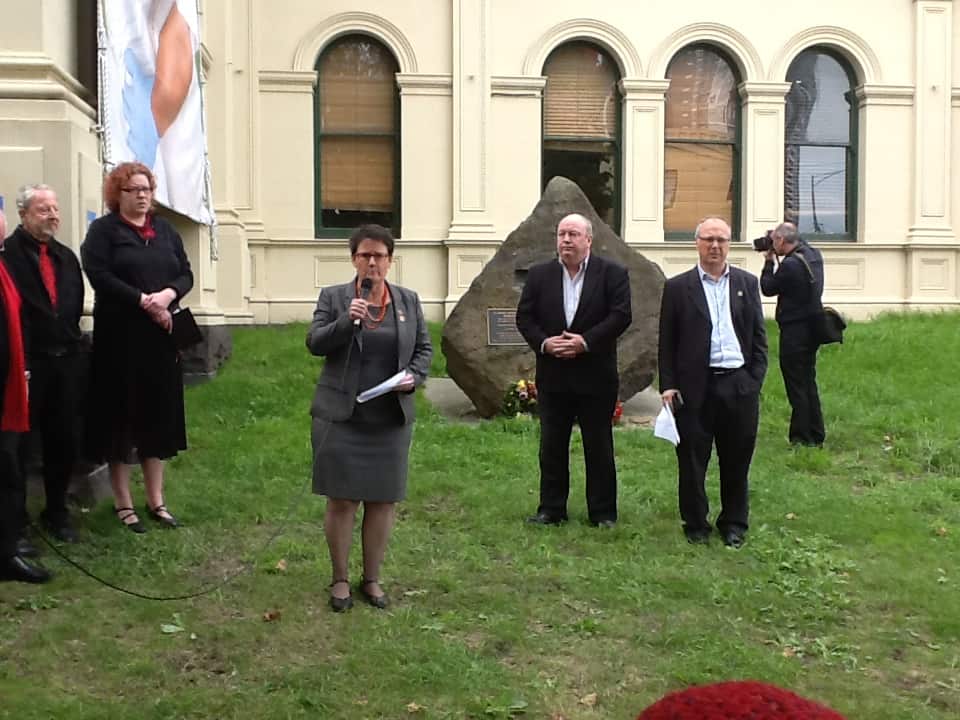 A short time ago the International Workers Memorial Day commemoration in Melbourne, Victoria, concluded. The ceremony was less sombre than in previous years with, it seemed, fewer families and relatives of deceased workers. Certainly there was no speech from a family member, nothing from workplace safety advocates other than the three trade union speakers,
  Safety professionals often pay over A$1000 upwards to attend a workplace safety conference. Most of these conferences are overpriced and serious questions should be asked about the knowledge return-on-investment. It seems occupational health and safety (OHS) professionals are always looking for the next big thing, the “edge” but frequently they forget that value of old information, the value of human worth, the reason for joining the OHS profession in the first place.
