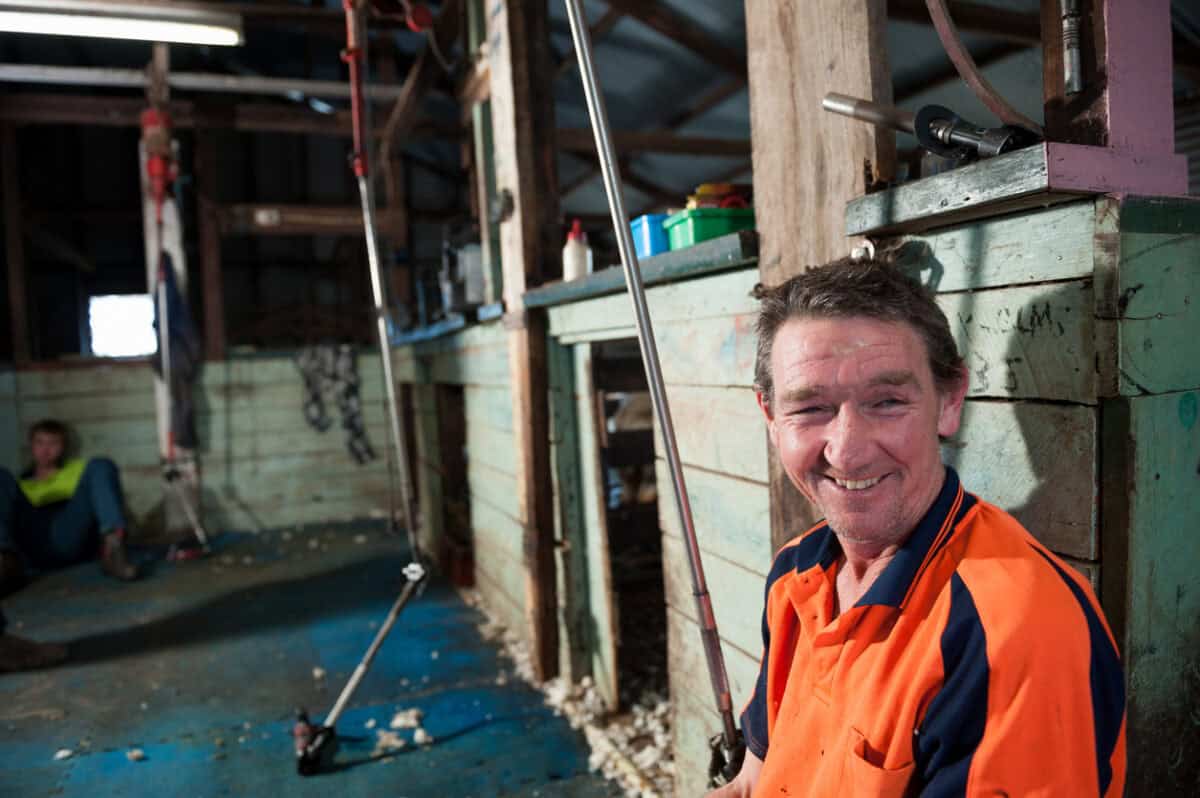
On October 21, 2025, the Australian Capital Territory’s Parliament debated (page P3249) expanding workers’ compensation to gig workers. Impediments to change were similar to those mentioned in various parliamentary inquires and debates ever since gig work developed into an industry sector and gig workers started to die at work. But the amendment passed so progress was made.
Category: industrial relations
OHS Lessons from the Antoinette Lattouf Case
Just before Christmas in 2023, Antoinette Lattouf was taken off-air by the Australian Broadcasting Corporation halfway through her five-day contract as a radio fill-in. It sparked an acrimonious unfair dismissal dispute. Last week the Australian Labour Law Association held a webinar on the case which touched on the occupational health and safety (OHS) perspective.
Lazy Senators Are Not Doing Their Job
Safe Work Australia’s (SWA) executives are obliged to attend meetings of Senate Estimates committees to answer questions from Senators about their portfolios. Sometimes these can be tense and robust. Sometimes these appear to be a waste of time.
OHS and Politics
In support of Australia’s Safe Work Month, I have recorded a 12-minute opinion piece on how Australian politics since 2010 has affected the perception and development of occupational health and safety, based on past SafetyAtWorkBlog articles.
It is an interesting opportunity to reflect on the decisions and actions of influential individuals like Julia Gillard, Kristina Keneally, Jeff Lawrence, and David Gregory.
Are the Business Council’s Objections to Working From Home Changes Genuine?
Victoria’s consultation on its work-from-home proposals closes this weekend. The government has claimed over 18,000 submissions and interactions, but none of them are yet publicly available. The Business Council of Australia (BCA) has garnered recent media attention, pre-empting the closure of the consultation. The BCA could have a more mature discussion on the concept and practice of working from home, but perhaps it realises that the argument has already been lost.
Every Worker Deserves A Good Life
Work-related suicide is more insidious in some ways than non-work suicide, as it is institutionally stigmatised to the extent that its reality has been denied. There is an additional level of complexity when an employer is in control of the work, and a strong economic ideology often denies the influence of work factors. The tide is turning, but organisational factors are not receiving the prominence they deserve, and the change remains slow.
New Australian research is playing a crucial role in accelerating this change.
Note: This article discusses issues related to suicide.
The Politics of Working From Home Continues to Miss the OHS Arguments
Working from home (WFH) is being sold as a cost-of-living fix and a family-friendly reform—but the Victorian government’s proposed WFH legislation misses a critical point: it’s also an occupational health and safety issue. While politicians tout productivity and convenience, they largely ignore the psychological benefits, consultation obligations, and uneven access that make this policy far more complex than a Monday morning commute.
You had to look hard for mentions of the occupational health and safety (OHS) legitimacy of the proposed law changes in Parliament this month.