In New South Wales, reduced workers’ compensation for those workers suffering from a mental injury remains a politically hot topic. Independent Member of Parliament, Alex Greenwich, asked the Minister for Work Health and Safety, Sophie Cotsis, about maintaining “the sustainability of premiums”. This opened the door for Cotsis to inform the House and to attack the (Conservative) opposition. The debate highlighted the continuing misdirection from much more important and key occupational health and safety (OHS) reforms.
Category: insurance
Incident investigation and the triaging of workers’ compensation claims
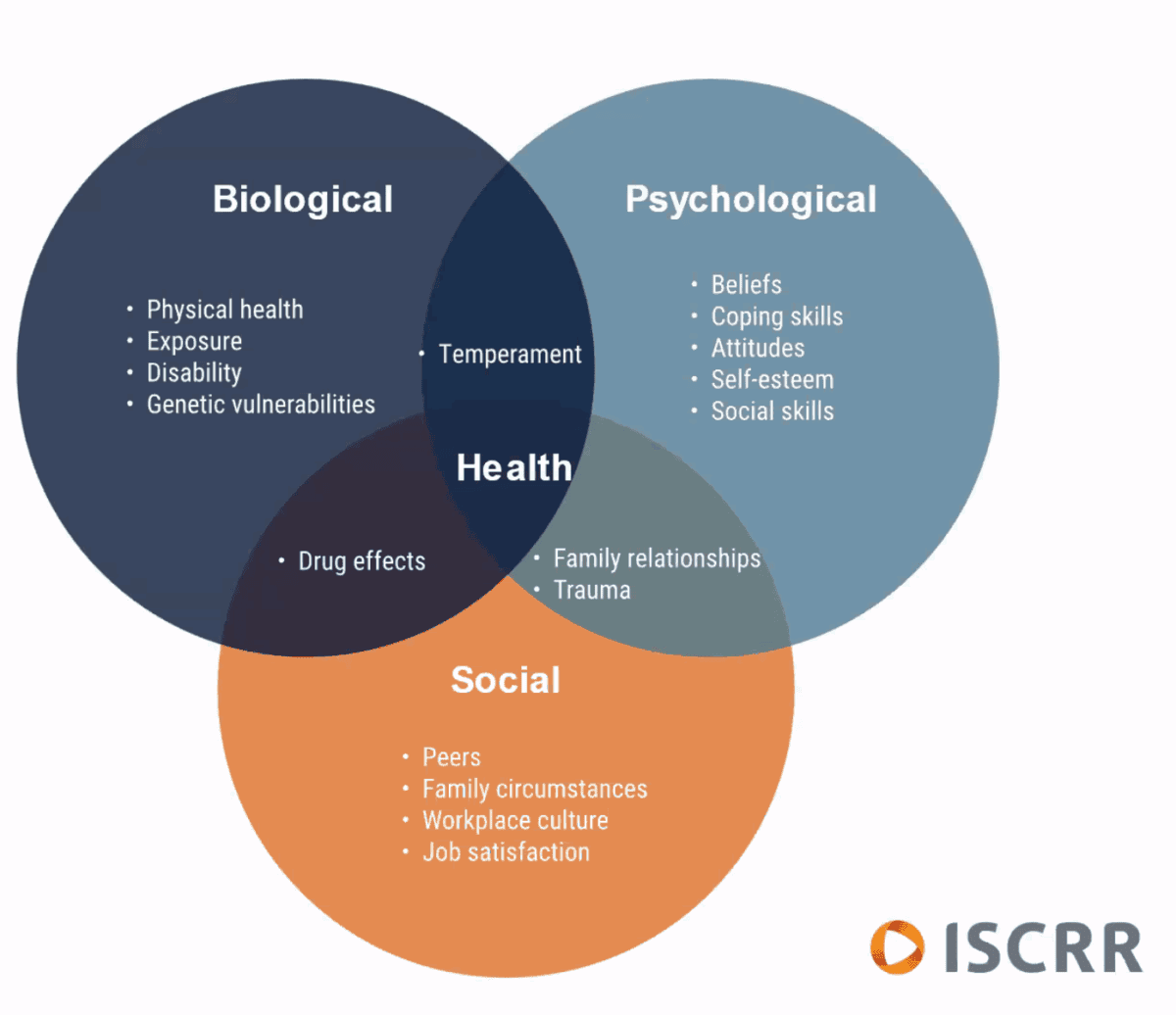
Earlier this week, the Institute for Safety Compensation and Recovery Research (ISCRR) conducted a seminar called “Using Biopsychosocial Risk Profiling to Inform Claim Triage“. Workers’ compensation claims are not a focus for this blog, but attending events peripheral to one’s own discipline sometimes enlightens. There were a couple of moments when the occupational health and safety (OHS) approach came up in discussion.
Curious workers’ compensation claim
Recently, it was revealed that a senior leader of the Construction Forestry Mining and Energy Union (CFMEU), John Setka, has lodged a workers’ compensation claim alleging post-traumatic stress disorder related to his work. Setka (pictured above second from the left) is a controversial trade union and political figure, especially in Victoria, and anyone can lodge a worker’s compensation claim. However, the media reporting identifies some curious factors to this claim.
Learn about OHS through alternative perspectives
On the iconic discount table in Readings Carlton bookshop is one of the most interesting occupational health and safety (OHS) books – The Careless State by a Professor of Political Science at Melbourne University, Mark Considine. This book was not written by an OHS specialist with all the associated ideological and philosophical baggage. And really, it is mainly one chapter that justifies the description “Worker’s Health and Safety.”
Predatory Capitalism and OHS
A fundamental aim of occupational health and safety (OHS) is the prevention of harm. To determine the most effective ways of preventing work-related harm, OHS professionals must investigate the source of harm. This requires them to look beyond their own workplaces to socioeconomic factors. Greed is the source of almost all of the world’s economic woes.
Greed manifests in the OHS context by employers not allocating sufficient resources for people to work safely and healthily. This greed, this seeking of maximum profits and excessive wealth, is supported by legislative, financial and social institutions. A new book by Ingrid Robeyns – “Limitarianism, – The Case Against Extreme Wealth” – offers several examples of how greed creates unsafe work.
Plain speaking on mental health v nuance
Plain speaking is one of the greatest challenges of any profession. Many professionals struggle to communicate their excellent work and knowledge which has created the moves for Research-To-Practice and specialised communicators (as opposed to public relations advisers). Human Resources (HR) and Occupational Health and Safety (OHS) need communications specialists, or perhaps just interpreters, if a recent article on workers compensation and mental health is anything to go by.
If we are going to achieve a successful and effective change on workplace mental health, we need to start to understand each other.
When an increase of 0.5 percentage points is described as an outrageous 43% increase
This week the Victorian Government flagged changes to the workers’ compensation premiums and eligibility. This has generated outrage from business lobby groups and the trade unions, and as he is being criticised by both political extremes, Premier Dan Andrews believes his decision, i.e. being hated by everyone, is a winner.
The Age newspaper was one of the first to report (paywalled) on the announcement of these changes on May 19, 2023. Significantly it included a quote from Dr Mary Wyatt on the economic and social importance of injury prevention. Hers has been one of the few mentions of the role of good occupational health and safety (OHS) management.
Tip-Off Line Remember, if you have some OHS information that you want SafetyAtWorkBlog to investigate or that would be of interest to SafetyAtWorkBlog readers, please contact us on the anonymous-if-you-want tip-off line