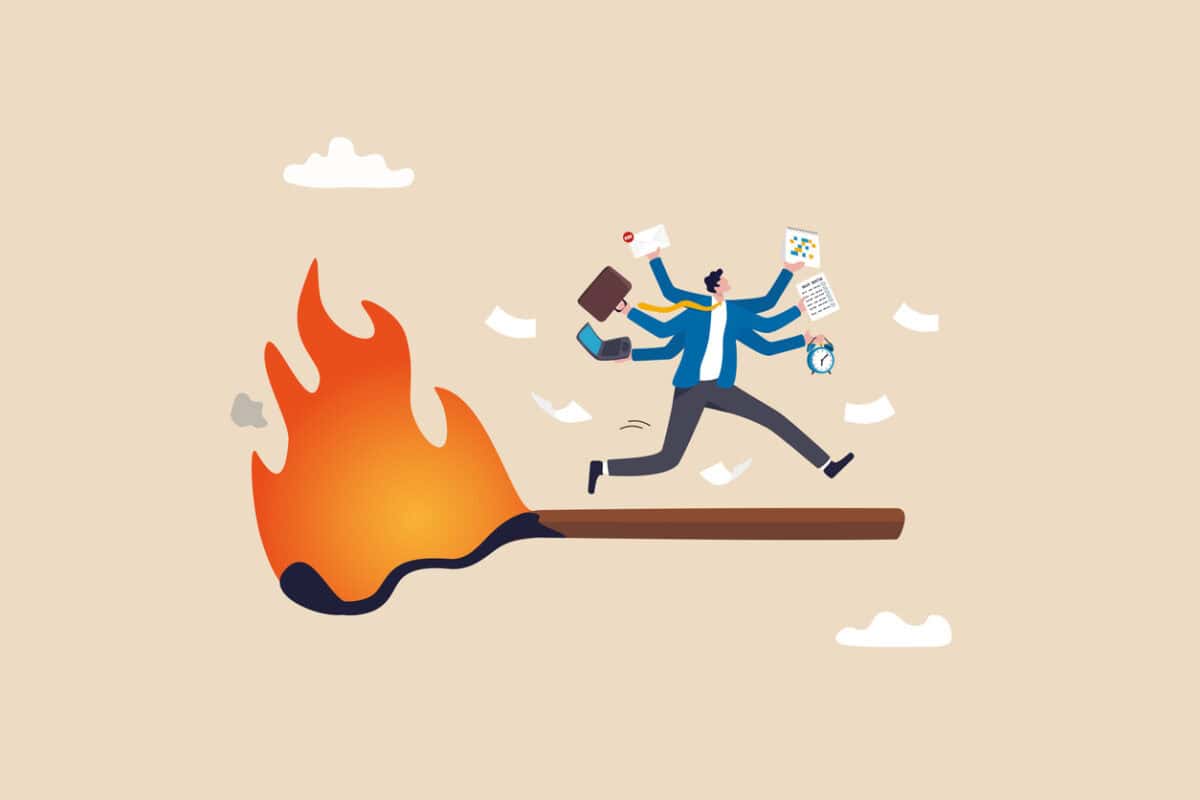
Organisational psychologist John Chan recently launched his company’s 2026 State of Workplace Burnout Report, presenting burnout as a consequence of work design rather than individual resilience. While many of the findings of this grey literature will be familiar to OHS professionals, the audience questions offered interesting insight into how burnout is understood outside the safety profession.
Category: Investigation

What We Lose When NDAs Win
Non-disclosure agreements (NDAs) are a contentious device used by lawyers, often as part of the settlement of a legal dispute. These came to the fore in the context of sexual harassment several years ago. The Victorian government has proposed a bill to Parliament that, according to the Australian Financial Review (AFR), will increase transparency. This should assist in determining changes to work processes that are as low as is reasonably practicable.
NDAs have been an insidious tool, especially in relation to sexual harassment at work.
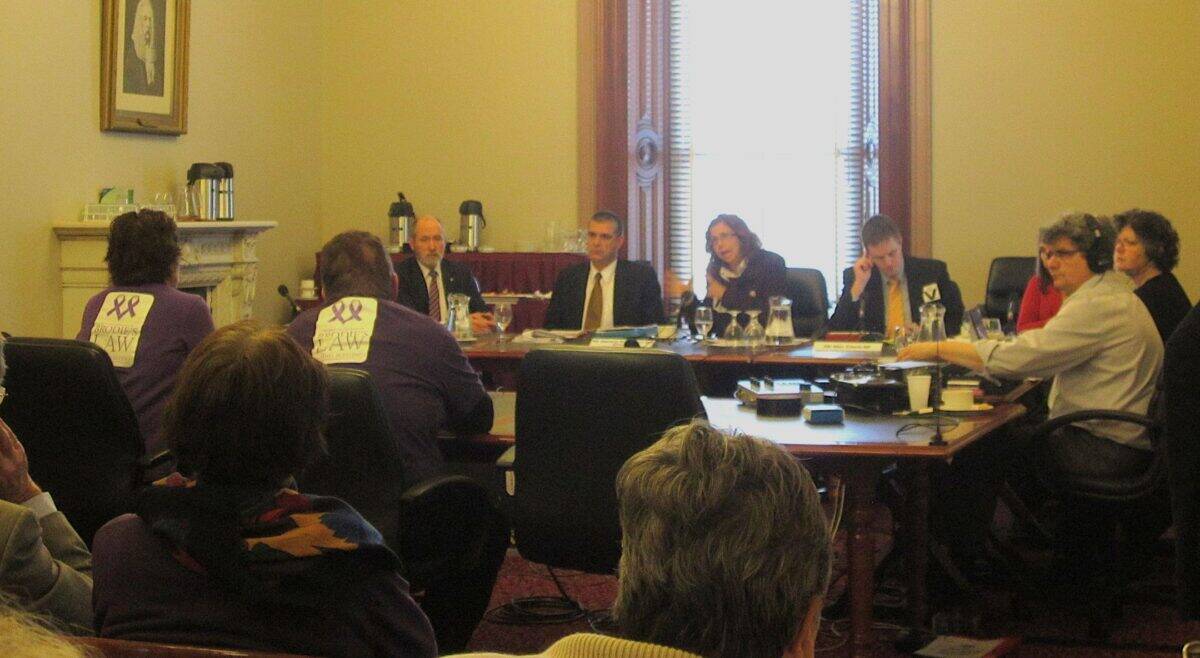
If you think psychosocial hazards are a nonsense, learn about Brodie Panlock
Next year marks the 20th anniversary of the death of Brodie Panlock. I have been thinking of her a lot over the last few months as Victorian employers (finally) start to seriously consider their legislative obligations to provide a mentally safe and healthy work environment. I wonder whether the new psychosocial safety regulations had been in place in 2005-06, Brodie Panlock would have lived.
[Note: This article discusses issues related to suicide.]
Is Defence Above Safety Scrutiny? Lambie Wants to Know
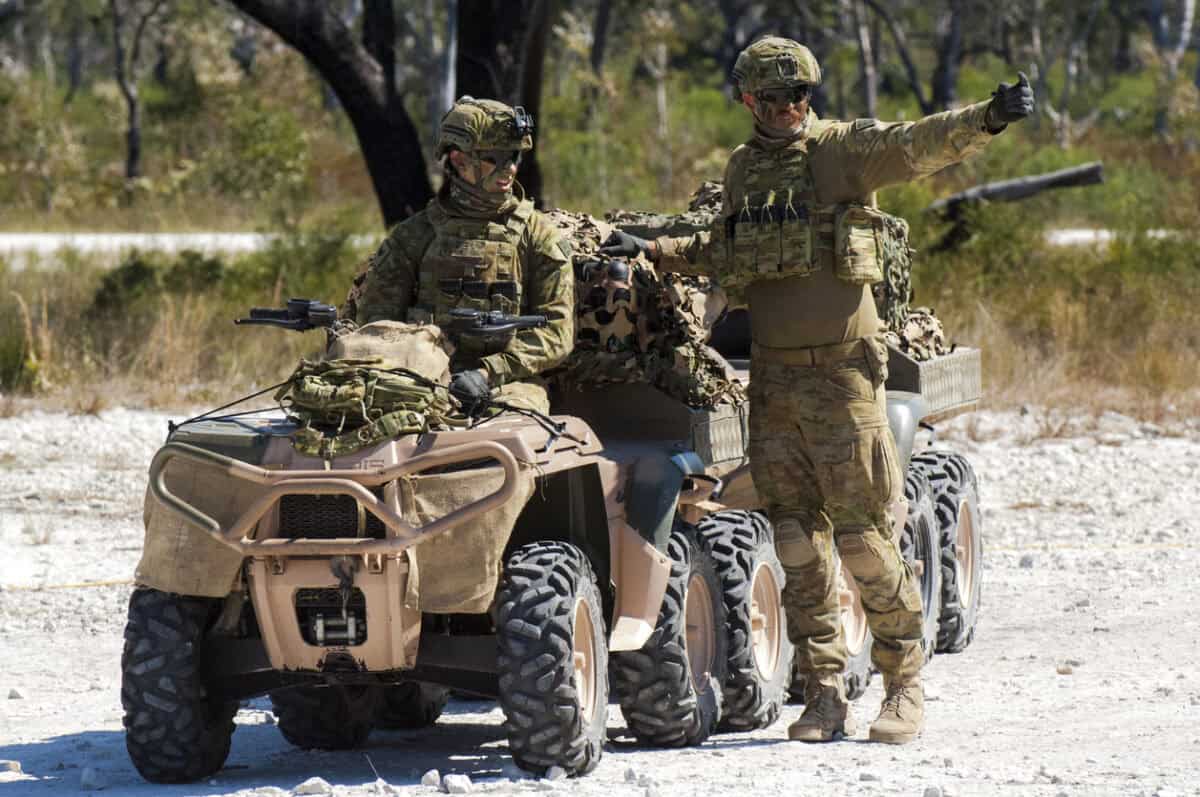
Senator Jacquie Lambie has been a staunch advocate for improving the occupational health and safety (OHS) of Australia’s defence force personnel. In 2022, she gave a confronting presentation to the Royal Commission into Defence and Veteran Suicide, and she continued her advocacy on day 1 of the 48th session of the Australian parliament by asking reasonable questions that could also be posed in non-military industries.
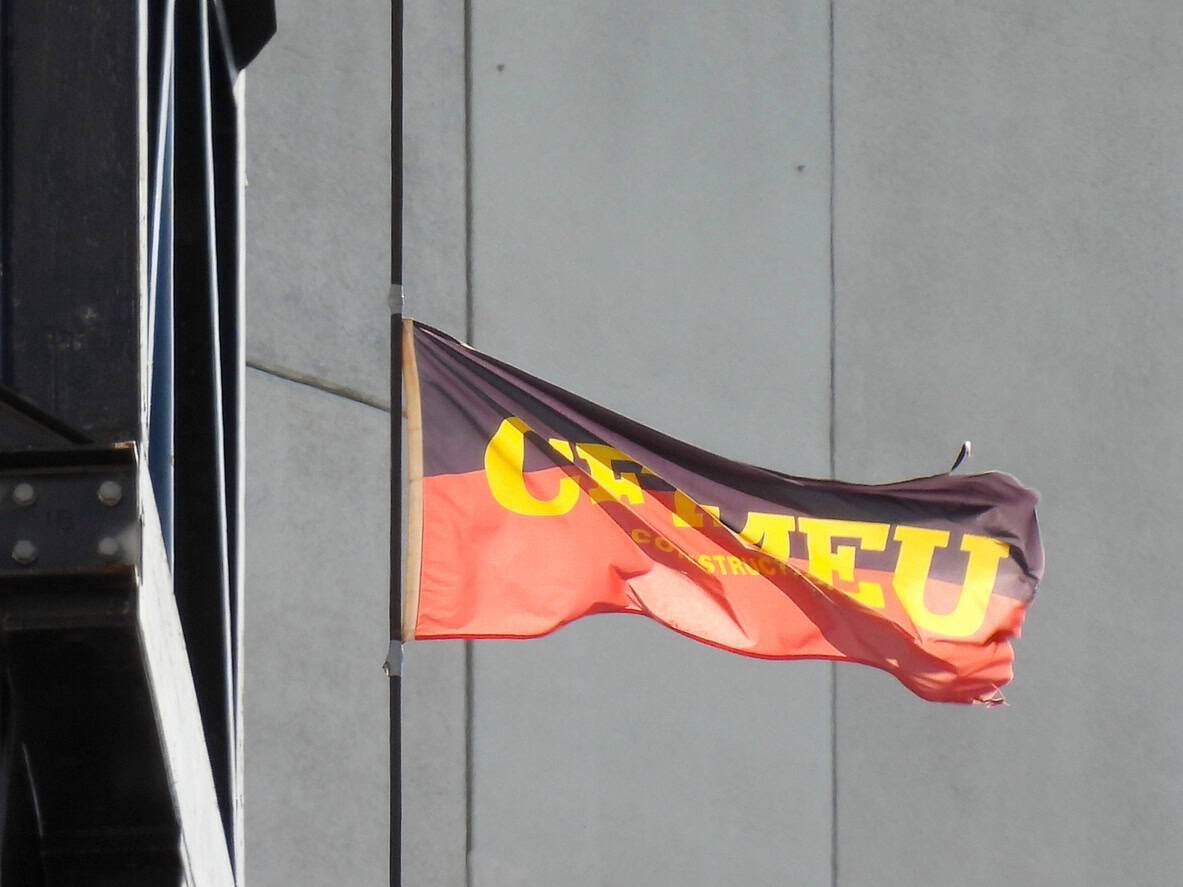
Confronting Union Thuggery that Undermines Workplace Safety
Militant construction unions in Australia have damaged the relationship between the community and the trade union movement. Although the typical trade union member may be a nurse, a teacher, or a public servant, most would depict a member as a big, aggressive, rude, and domineering man. Australia’s trade union movement is trying to redress this perception, but it cannot progress until it eliminates the unsafe behaviour of the organisers of the Construction Forestry Mining and Energy Union (CFMEU). The Queensland government is set to give reform a red-hot go.
The reporting of farm deaths could be improved
Recently, Lisa Ronson died in a vehicle incident on her Victorian farm. Much has already been written about her family’s loss, Lisa’s life and the impact on the community. This article is not about her; it is about how her death has been presented in the media over the last few days and the words used for the means of her death.
For many, her death was brought to our attention by a front-page article in the Herald-Sun newspaper on November 25, 2024 (image below). As an advocate for occupational health and safety (OHS) with a strong interest in farm safety, I read the whole article, and others, looking for details of the incident to contextualise it in the history of farm deaths. The only details were mentioned in the second paragraph:
“….after Ms Ronson was killed in a tragic farm accident on Saturday night, her devastated family is mourning the loss of a cherished wife and mother.”

Analyse the OHS system rather than the incident
Is it reasonable to apply the findings of a coronial inquiry into a theme park disaster to a “low-risk” administrative office environment? Well, one occupational health and safety management system (OHSMS) is much like another.
Administrative and office work environments are much less likely to experience work-related traumatic deaths as there are few unguarded conveyor belts or forklifts darting around, so coronial inquiries are few. However, the requirements imposed by OHS laws are the same in both types of workplaces, and audits do not assess workplaces, only the OHSMS operating in those workplaces. For instance, an analysis of the OHSMS in place at Dreamworld in 2016 is relevant to an office or warehouse for a construction site or childcare centre in another Australian State.