Stirring the OHS pot

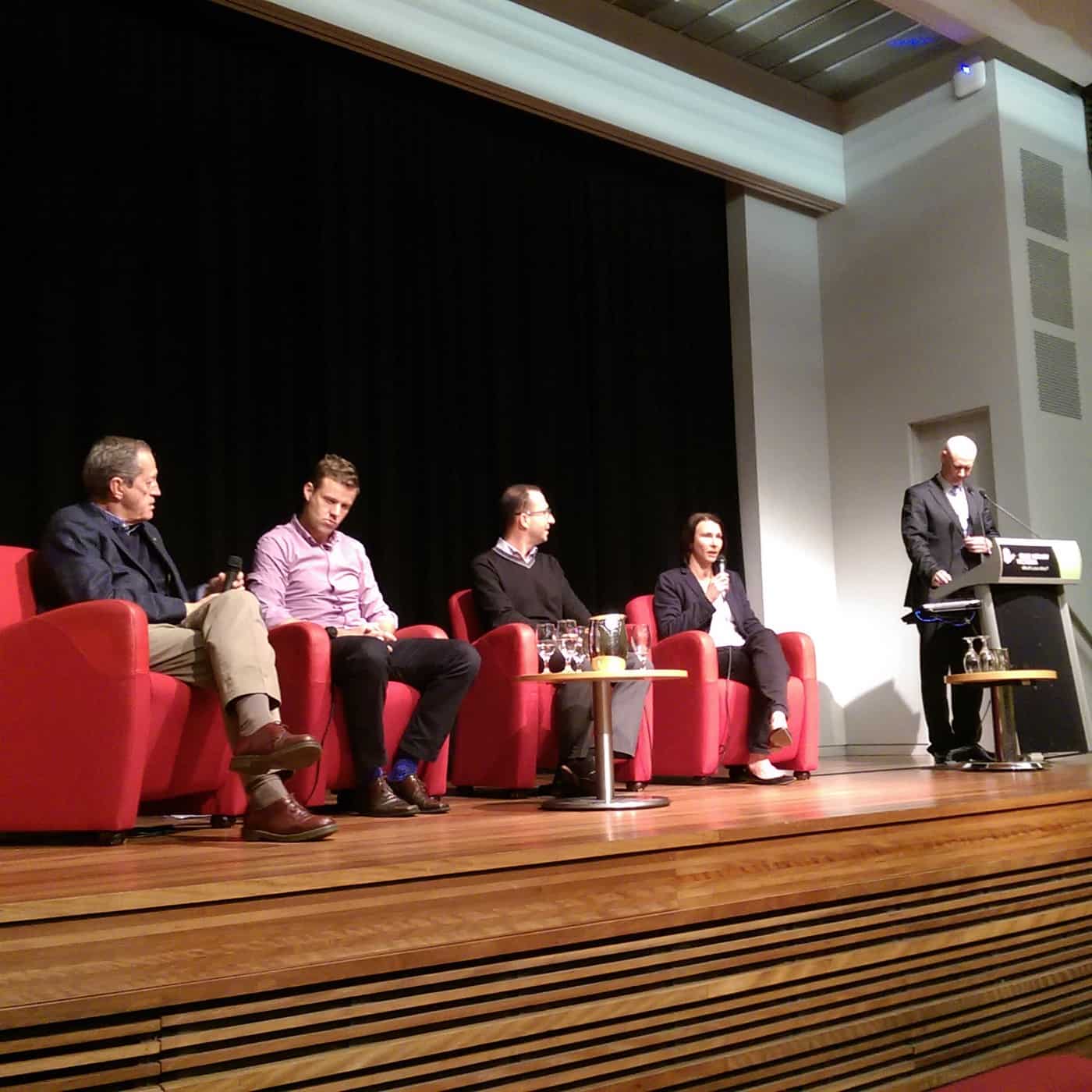
I was honoured to speak recently at the monthly meeting of the Central Safety Group.  As the meeting occurred during Safe Work Australia Month it seemed appropriate to stir debate about the nature of occupational health and safety (OHS) and how it applied.

Here is a selection of points that I intended to make. Discussion developed in a manner that allowed for many of these to be only touched upon but that was the intention of the presentation – to encourage OHS professionals to talk about OHS rather than about specific hazards. Continue reading “Stirring the OHS pot”

Scissor Lifts and safety

Caulfield lights2 edited
digitally altered

Workers in scissor lifts often step on railings or overreach placing themselves at risk of falling.  These actions are contrary to the use of plant as usually recommended by  manufacturers and to the usual requirements in an occupational health and safety (OHS) management plan for working in the rail environment.

The actions in these photographs occurred on a Melbourne railway station and in an industry that this author has worked in for the last six years. Photographs never show the entire facts of a situation and there are many assumptions and what-if scenarios about which these photos could, and should, start discussions. The following discussion of occupational health and safety management issues focuses on the facts presented by the photos*.

Subscribe to SafetyAtWorkBlog to continue reading.
Subscribe Help
Already a member? Log in here

Drug and alcohol testing does not improve workplace safety, so why have it?

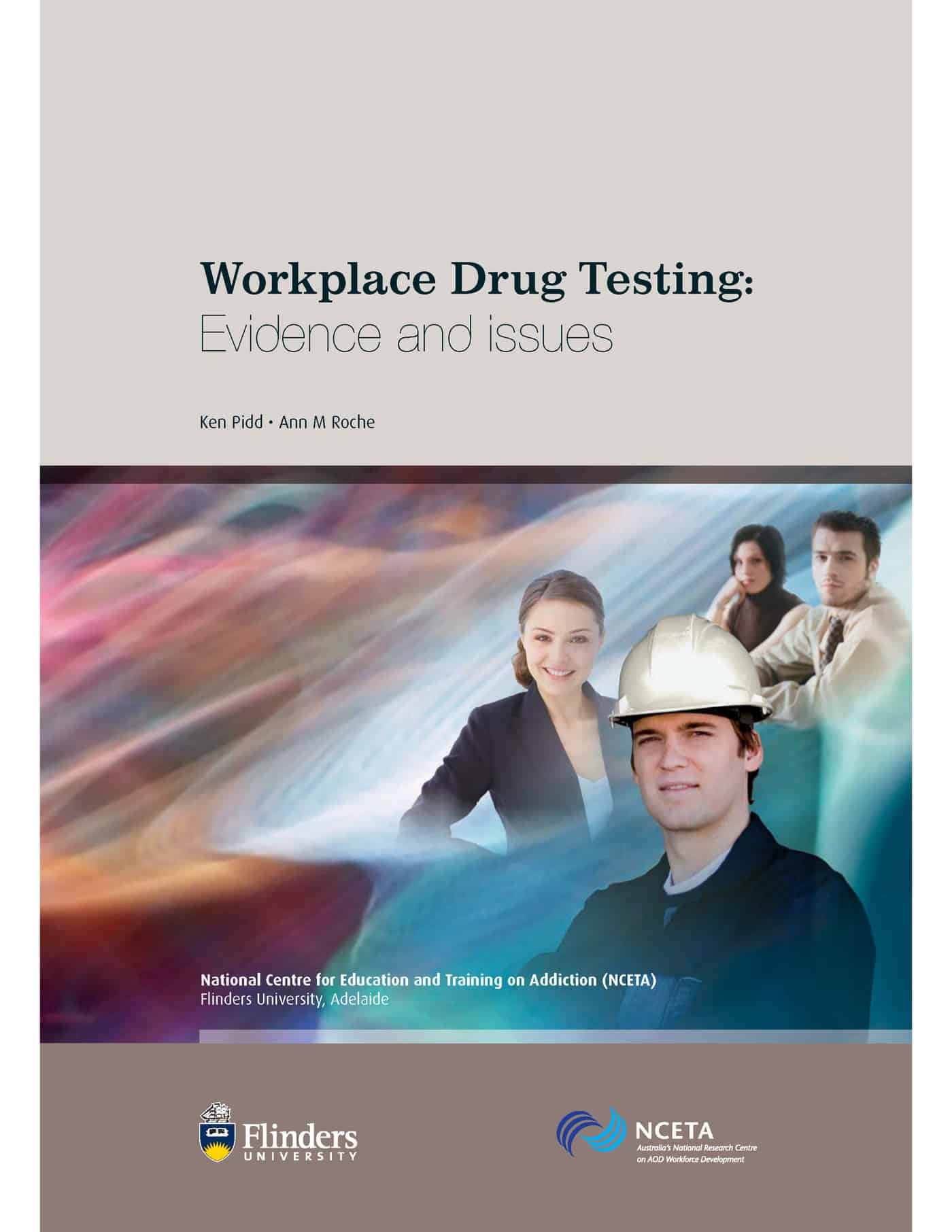
cover of EN455_NCETA_2011-2 Testing for drug and alcohol effects in workplaces sounds sensible but what do you do when there is no evidence that it improves worker safety or reduces risk? Apparently ignore the evidence, create industrial tension and impose unnecessary costs on industry.

The Australian national government and the Victorian (State) government have both pledged to introduce drug and alcohol testing for the construction sector.  The Victorian Government also promised to introduce drug and alcohol testing for parliamentarians but everyone expects a backdown on that election pledge.

Recently two researchers in Adelaide, Ken Pidd and Anne Roche published a research paper in Accident Analysis & Prevention asking “how effective is drug testing as a workplace safety strategy?“.  The abstract states:

“…the evidence base for the effectiveness of testing in improving workplace safety is at best tenuous.”

Subscribe to SafetyAtWorkBlog to continue reading.
Subscribe Help
Already a member? Log in here

Muddled talk is not helping OHS

A short discussion* in Tasmania’s Parliament on 16 September 2015 is illustrative of the use of language to answer a question, just not necessarily the question asked.  This type of political language has existed for centuries and will continue to do so but it contributes to people’s confusion about occupational health and safety (OHS) and the regulators’ role in enforcing OHS laws and should be called to account.

The question was asked by Independent Kerry Finch to Attorney-General Dr Vanessa Goodwin.

“Is the Government concerned about the rundown in staff for the WorkSafe program? Is the Government aware that there are only a reported 19 field inspectors, when it requires between 27 and 30 for the program to work efficiently? Does the Government plan to recruit more field inspectors for WorkSafe?”

Subscribe to SafetyAtWorkBlog to continue reading.
Subscribe Help
Already a member? Log in here

Drug and alcohol testing amendments may weaken safety

Last week the former Workplace Relations Minister, Eric Abetz, informed Australians that amendments had been introduced into the Building Code 2013 concerning drugs and alcohol testing.  However an analysis of those amendments shows that the amendments may not achieve what Abetz promised.

Siobhan Flores-Walsh, a Partner with the Australian law firm, Corrs Chambers Westgarth, has provided the following table that summarises a couple of those amendments. Continue reading “Drug and alcohol testing amendments may weaken safety”

OHS is in sports but by another name

After writing a recent article about the relevance of occupational health and safety (OHS) laws to sporting clubs, I attended a sports medicine seminar to access a different perspective on workplace safety.

2015-09-21 18.43.15Having never played sports outside the obligatory high school activities, which in my high school also included snooker?!, the world of locker rooms and team sports is foreign.  But earlier this week I learnt that where OHS professionals talk about productivity, sportspeople speak of performance, and where factories address line speed, sports physicians talk of load management.  I also learnt that professional sportspeople are exempt from workers’ compensation.

Subscribe to SafetyAtWorkBlog to continue reading.
Subscribe Help
Already a member? Log in here

Professional sportspeople are workers, so make them safe

Player Reaches To Catch Ball In Australian Rules Football GameThere is no doubt that football fields are the workplaces of professional football players and their support staff. So they are covered by occupational health and safety (OHS) and/or work health and safety (WHS) laws but what does this mean in relation to OHS regulators, and the sportspeople’s employers? Recently Eric Windholz looked at this particular issue.

Windholz recently published “Professional Sport, Work Health and Safety Law and Reluctant Regulators” in which he states:

“The application of WHS law to professional sport is almost absent from practitioner and academic discourse. An examination of the websites of Australia’s WHS and sport regulators reveals none contains WHS guidance directed to professional sports.” (page 1, references are included in the paper)

The example he uses to show this apparent lack of interest, even by the Victorian OHS regulator, WorkSafe Victoria, is the Essendon Football Club supplements saga.  Windholz writes

“Had these events occurred in the construction, manufacturing or transport industry, for example, it is difficult to imagine WHS regulators not intervening. Yet, WorkSafe Victoria initially was reluctant to investigate choosing to defer to ‘more appropriate bodies’. It only commenced an investigation when compelled by a request from a member of the public.” (page 2)

Subscribe to SafetyAtWorkBlog to continue reading.
Subscribe Help
Already a member? Log in here
Concatenate Web Development
© Designed and developed by Concatenate Aust Pty Ltd