Change big things, little things benefit

I bought Genevieve Hawkins’ self-published book “Mentally at Work – Optimising Health and Business Performance through Connection” because I have met Genevieve at various Australian occupational health and safety (OHS) conferences and wanted to know her thoughts.

Her book is about an increasingly important element of OHS – psychological harm – and reinforces the Human Resources (HR) approach to mental health at work which is based around Leadership and Psychology. This HR perspective is the dominant approach to mental health at work in Australia, but it largely omits the organisational and cultural context of mental health. As such, the book will be popular with those whose perspectives it reinforces, but it misses some important OHS and research perspectives about harm prevention.

Subscribe to SafetyAtWorkBlog to continue reading.
Subscribe Help
Already a member? Log in here

OHS prosecution request over COVID19 sent to WorkSafe

The Australian newspaper is notoriously supportive of the conservative side of Australian politics, so it is little surprise that one of its business journalists, Robert Gottliebsen, is maintaining his advocacy for Industrial Manslaughter and occupational health and safety (OHS) prosecutions over COVID19-related infections, echoing many of the desires of Ken Phillips, the head of Self-Employed Australian and Independent Contractors Australia.

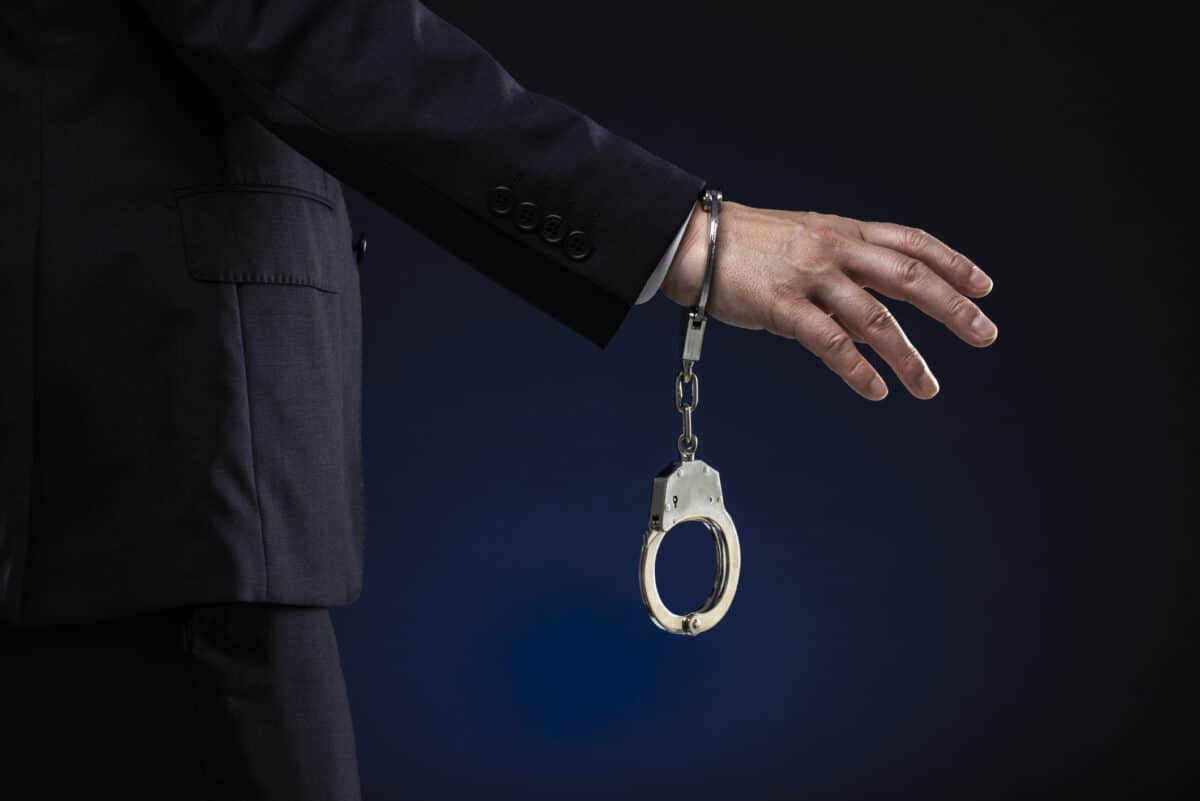
Phillips wrote to WorkSafe Victoria on September 9, 2020 demanding a prosecution by WorkSafe Victoria of a swathe of Victorian government Ministers, public servants, police, as well as

“All members of the management team known as the State Control Centre………….”!

Subscribe to SafetyAtWorkBlog to continue reading.
Subscribe Help
Already a member? Log in here

No lessons in the Dreamworld penalty

Coomera, Queensland, Australia – January 9, 2018. Exterior view of entrance to Dreamworld theme park, with stairs, building and people.

The iconic Australian theme park, Dreamworld, will never fully recover from the consequences of the deaths of four people after the Thunder River Rapids ride malfunctioned in 2016. The legal journey through the Queensland Courts finished on September 28 2020 with the handing down of a financial penalty of $3.6 million, although others could say the journey ended with the parent company’s, Ardent Leisure’s, plea of guilty, and others may pursue Ardent Leisure for civil penalties, if they can access details of Ardent Leisure’s insurance policies.

Subscribe to SafetyAtWorkBlog to continue reading.
Subscribe Help
Already a member? Log in here

Premier Andrews and Industrial Manslaughter becoming a conspiracy

Both a swing AND a roundabout

The pursuit of Victorian Premier Daniel Andrews for Industrial Manslaughter (IM) over the spreading of COVID19 from quarantine hotels is developing into a conspiracy if a recent interview with Federal politician, Barnaby Joyce, is any indication.

Previous SafetyAtWorkBlog articles have discussed the opinions on Andrews and Industrial Manslaughter espoused by journalist Robert Gotttleibsen and Ken Phillips. On television on September 28, 2020, breakfast television’s Sunrise program interview the National Party’s Joyce and the Australian Labor Party’s, Joel Fitzgibbon. Host, David Koch, asked Joyce about the resignation of Victoria’s Health Minister Jenny Mikakos over the Hotel Quarantine issues, and Joyce floridly replied:

Subscribe to SafetyAtWorkBlog to continue reading.
Subscribe Help
Already a member? Log in here

A new COVID19 Code of Practice, but why?

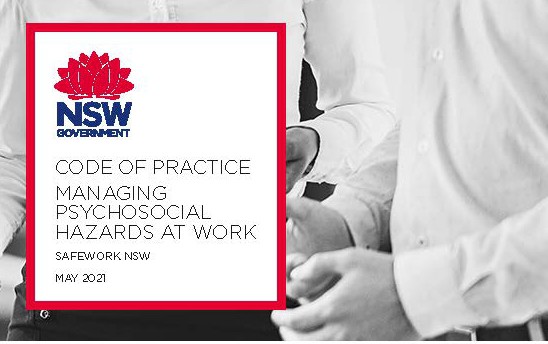
In mid-September the Australian Government released a draft work health and safety Code of Practice about the management of COVID19. It is a good draft to which occupational health and safety (OHS) professionals should submit comments as COVID19 or similar coronaviruses are going to be part of our working lives for many years to come.

The curious part of this draft Code is that it was released by the Attorney General’s Department (AGD) and not its subsidiary Safe Work Australia (SWA).

Subscribe to SafetyAtWorkBlog to continue reading.
Subscribe Help
Already a member? Log in here

WFH strategies and evidence

Last week’s article on the occupational health and safety (OHS) risks of Working From Home (WFH) reminded me of a report from late 2019 that I always meant to write about but forgot. In November 2019 the International Labour Organisation (ILO) released a report called Telework in the 21st century: An evolutionary perspective. It ‘s a collection of articles on teleworking from around the world and, although it is pre-COVID19, it remains fairly contemporary on telework and WFH practices and risks.

Subscribe to SafetyAtWorkBlog to continue reading.
Subscribe Help
Already a member? Log in here

WFH. What-Ifs. WTF?

On September 12 2020, The Australian’s workplace relations journalist Ewin Hannan wrote about working from home (WFH), a reasonable topic as many Australians have been asked to do this, often at the request of the State Government, in order to reduce and control the spread of the COVID-19 coronavirus. The structure of the article centred on the additional costs and risks to employers from having workers work from home, especially in relation to potential injuries and workers’ compensation. This perspective on occupational health and safety (OHS) is seriously skewed, but it reflects the dominant perspective in the media and the community. A little bit more research would have provided a more accurate picture about Working From Home.

Subscribe to SafetyAtWorkBlog to continue reading.
Subscribe Help
Already a member? Log in here
Concatenate Web Development
© Designed and developed by Concatenate Aust Pty Ltd