
Safe Work Australia has just published a summary report of its review into best practice. It is a curious document, essentially a summary of the perspectives of many organisations interested in occupational health and safety (OHS), particularly regarding OHS laws. It is an important distinction that this review was not about OHS but the laws that we use to provide safe and healthy work.
Category: Regulations
Stop Blaming Workers for Problems They Didn’t Create
Australian occupational health and safety (OHS) is moving from a focus on interventions at the individual worker level to examination of the operational and managerial systems that may cause or encourage harm and incidents, especially in relation to psychological safety at work.
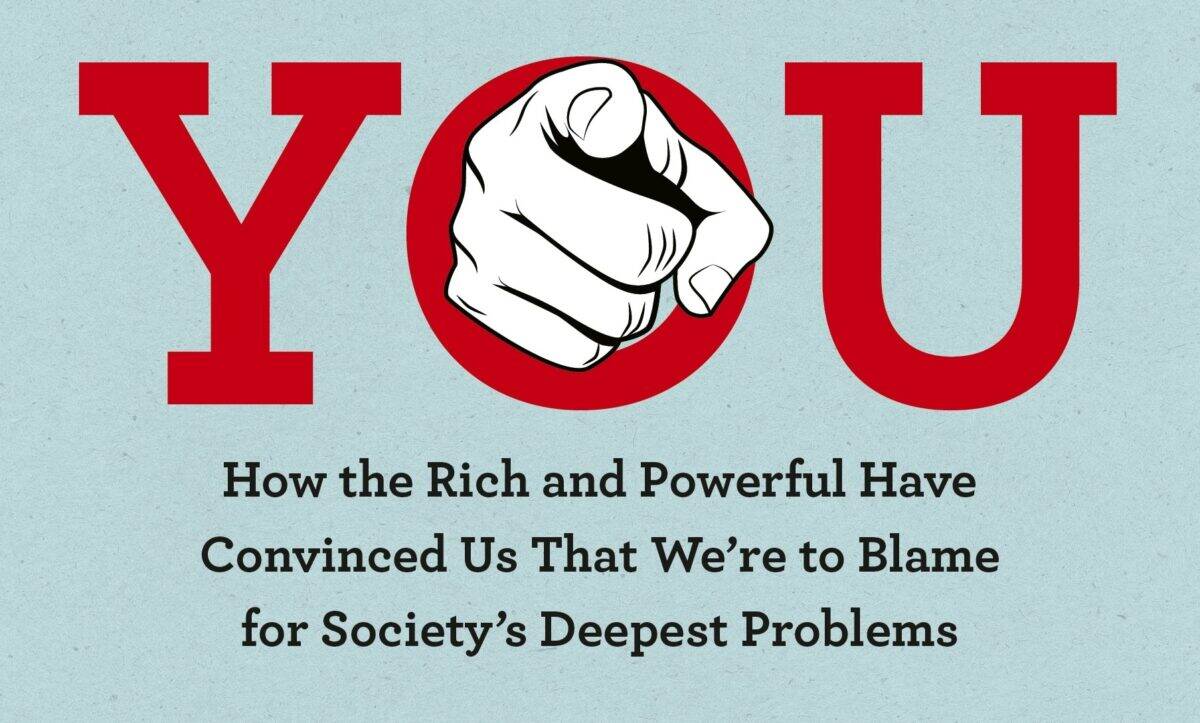
Although a new book from the United States does not address OHS specifically, its long title indicates its relevance – “It’s On You – How the Rich and Powerful Have Convinced Us That We’re to Blame for Society’s Deepest Problems”.

OHS Reform: The Allan Government’s Best Chance to Rebuild Trust
Occupational health and safety (OHS) is rarely addressed in election campaigns, and the Victorian election in November is likely no exception. However, there are OHS issues that need to be discussed and addressed, and there may also be a political advantage.

The American Approach to Psychological Safety
Harvard Business Review (HBR) is an active publisher of articles on business management. In 2024, it released a collection of essays on psychological safety as part of its Emotional Intelligence series. HBR’s psychological safety advice is written for a U.S. corporate audience. It largely ignores the legislative duties that shape psychosocial risk management in Australia, so the advice should be considered with great caution.
How Regulatory Ideology Shapes Work Health and Safety Outcomes
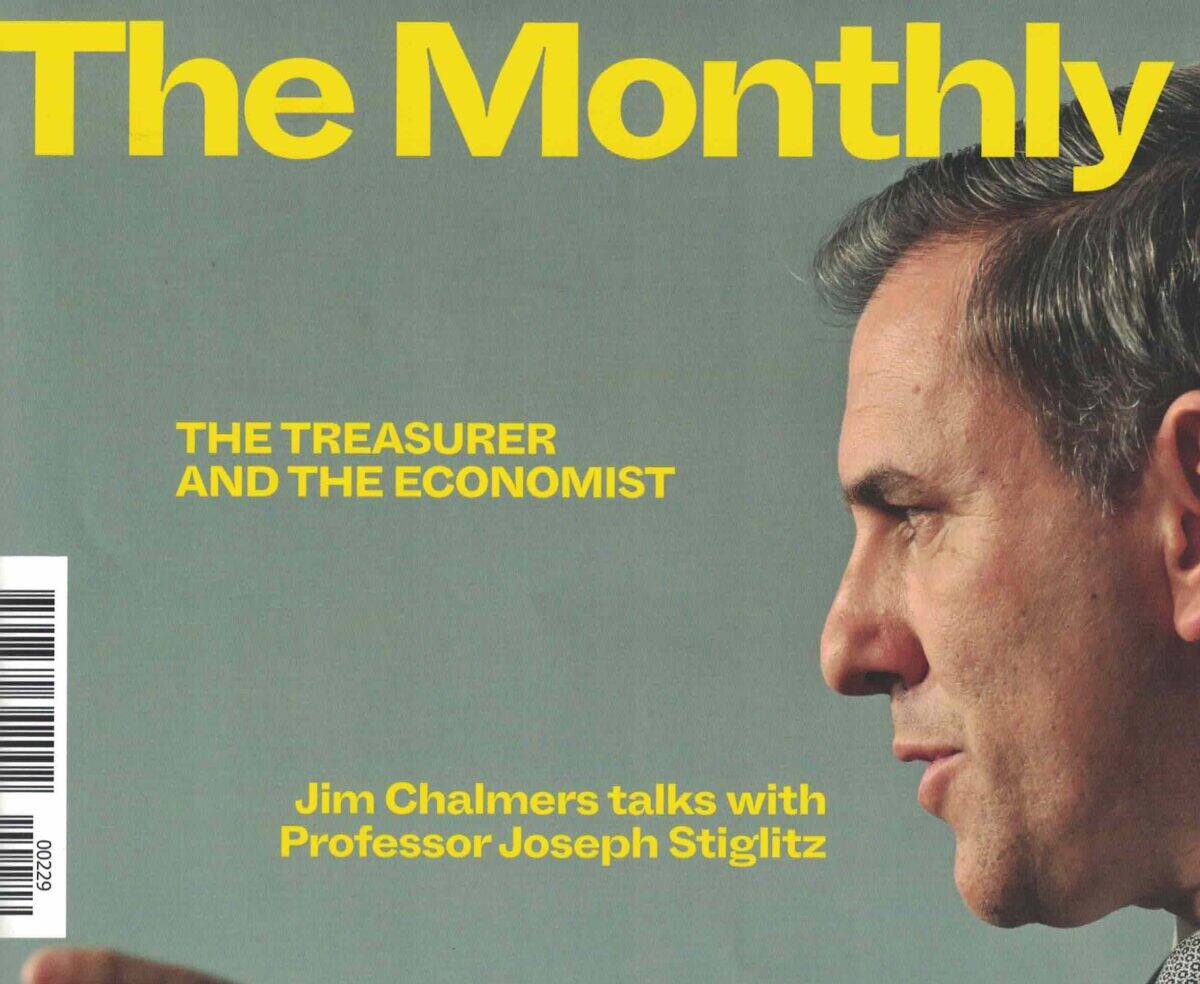
Australian Treasurer Jim Chalmers and economist and Nobel Laureate Joseph Stiglitz are old friends. One of their conversations was turned into the lead article in the February edition of The Monthly (paywalled). Several of their thoughts impinge on how occupational health and safety (OHS) laws are applied and may be reformed.

Wellbeing Budgets Sound Good but Workplaces Show the Truth
Citizen and worker well-being will not be a major focus of the Australian government’s budgets, but it will still influence them. Recently, Professor Paul Read assessed the Wellbeing Budget concept in The Australian Fabians Review (issue 8). His optimism is notable and helps us understand well-being in an occupational and psychological context.

Wellbeing vs Red Tape Is The Political Battle That Will Shape Australia’s OHS Future
Australian Treasurer Jim Chalmers was keen on establishing a “Wellbeing Budget“. The initiative faded, but the desire persisted. The Wellbeing Budget is getting renewed interest but also some anticipatory criticism. Such a budget could have significant impacts on occupational health and safety (OHS) management, so it warrants monitoring and cautious support.