
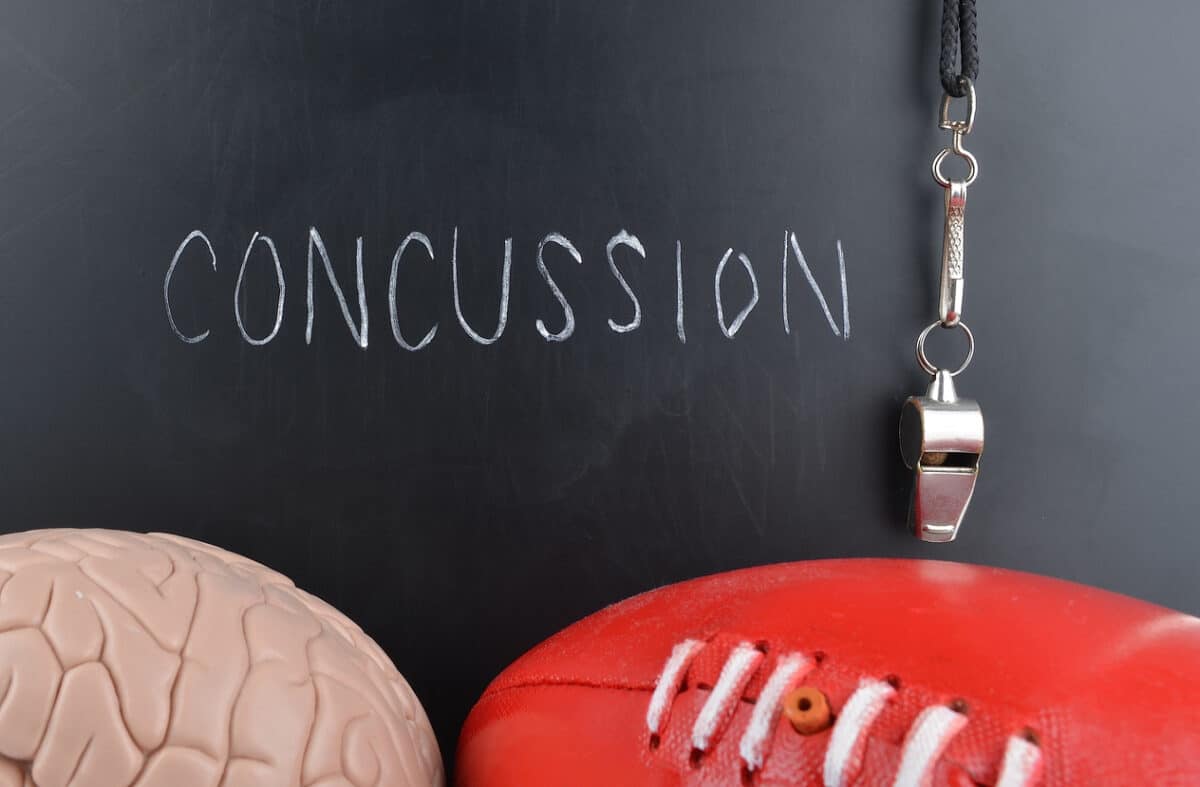
I have been writing about concussion and CTE prevention in professional sports, especially the Australian Football League (AFL), for a while. The current controversy in Australia is concerning a risk waiver. This debate should generate interest in workers’ compensation and occupational health and safety. This guest post from Eric Windholz (there have been others) is a major part of that conversation catalyst.
Category: harm
Turning Moral Questions into Action on Workplace Safety
There seems to be an increase in democratic socialism in the United States. Socialism-based principles, the “common good,” the Green New Deal, limitarianism, post-neoliberalism, and others are being discussed with increasing seriousness. Underpinning these ideas is respect for humans (and others), a push to understand the limits and potential of humans, and a countering of the idea that humans are primarily “units of labour” and that their only value is determined by their productivity. Perhaps it is time to engage directly with, and politely challenge, these entrenched business approaches.

The Conference That Examined Workplace Bullying but Not Why It Happens (Not Yet)
I am not sure that the “Why” was discussed enough at this global conference. The discussions in the sessions I sat in were dominated by people trying to clarify what bullying and harassment are and what variations nor subcultures there are, or what sections of the community are most affected by workplace bullying and harassment. And I am not sure that all the presenters were targeting the workplace, even though the association and conference titles specify this.

New Industries, Like AI, Treat Regulation Like an Optional Extra
In the movie “Working Girl”, Melanie Griffith’s character reveals how she connected merger opportunities when flipping through a magazine. Today’s Australian Financial Review (AFR) presented a similar set of thoughts on psychosocial hazards and Artificial Intelligence (AI). This connection had the added heft of quotes from prominent Australian lawyer, Michael Tooma.
Why Employers Keep Designing Psychological Harm into Work
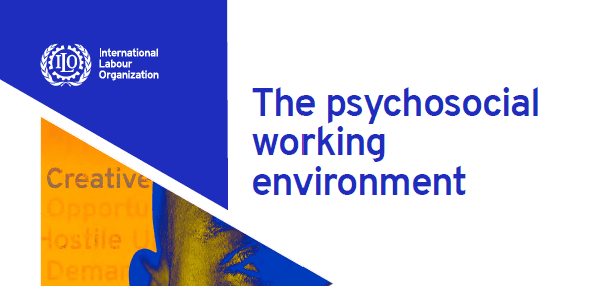
By now, SafetyAtWorkBlog readers are well aware that the ways to prevent psychosocial hazards and manage psychological harm and safety are well established. A brand-new global report from the International Labour Organisation in support of next week’s World Day for Safety and Health at Work provides excellent information on psychosocial hazards, but I wanted to know more. I wanted to know why these hazards exist and thought the ILO report may offer some answers or clues.

Solving Psychosocial Harm at Work: The Upcoming Global IAWBH Conference in Canberra
Workplace bullying, harassment and other psychosocial risks are no longer fringe issues – they are central to how we think about safety, fairness and dignity at work. One forum that has been shaping this conversation for more than two decades is the International Association on Workplace Bullying and Harassment (IAWBH) and its much‑anticipated biannual conference. This year’s event brings researchers, regulators and practitioners together in Canberra to tackle some of the most difficult problems in working life, with a strong emphasis on practical solutions, especially pertaining to sexual harassment and gender-based violence.
Professor Carlo Caponecchia, who is presenting at the conference, made some time for a couple of questions.
Continue reading “Solving Psychosocial Harm at Work: The Upcoming Global IAWBH Conference in Canberra”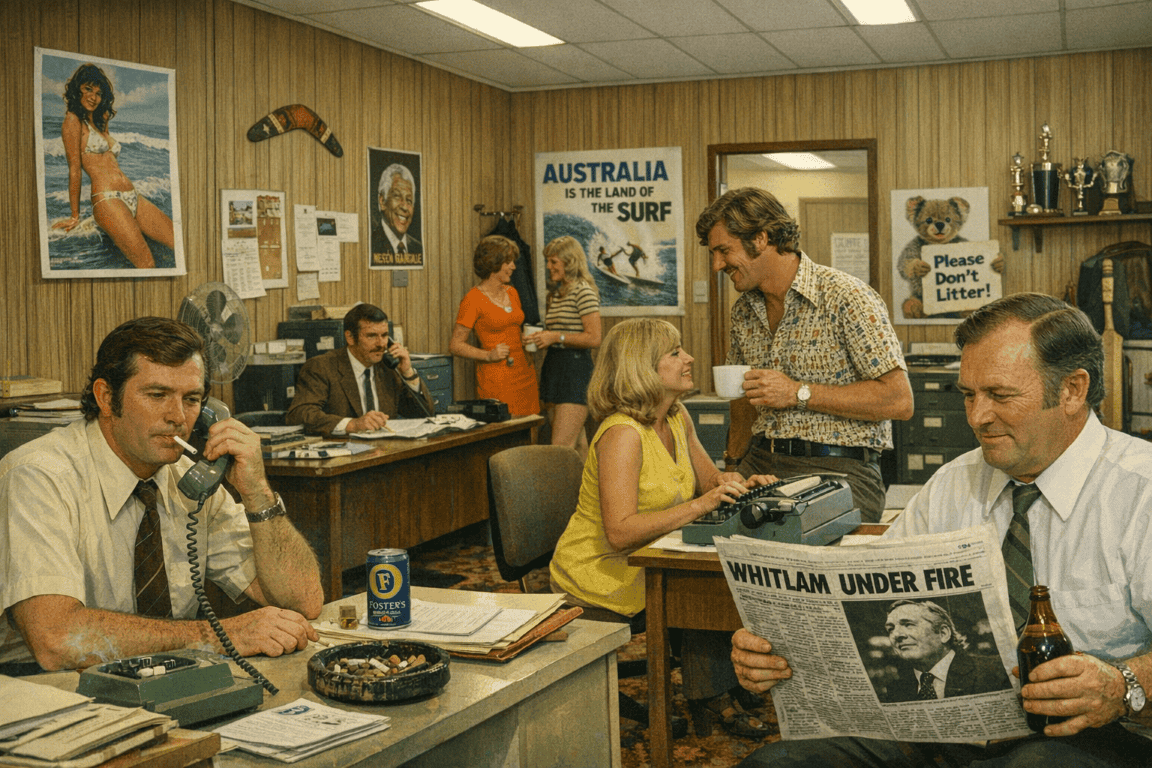
The 1970s Never Ended for Some Employers
For the last few years in Australia, occupational health and safety (OHS) laws have required that the prevention of psychosocial hazards be given the same prominence as the prevention of physical hazards. The most effective recommendation for change is the redesign of work, but very few employers seem to be applying this control. Many employers are still asking (their Human Resources officer) what this psychosocial stuff is all about.
Examining organisational culture at one Australian institution that failed to prevent and may have generated psychological harm in the 1970s provides some context for contemporary OHS struggles.