WorkSafe Victoria’s Evolving Regulatory Message on Mental Health

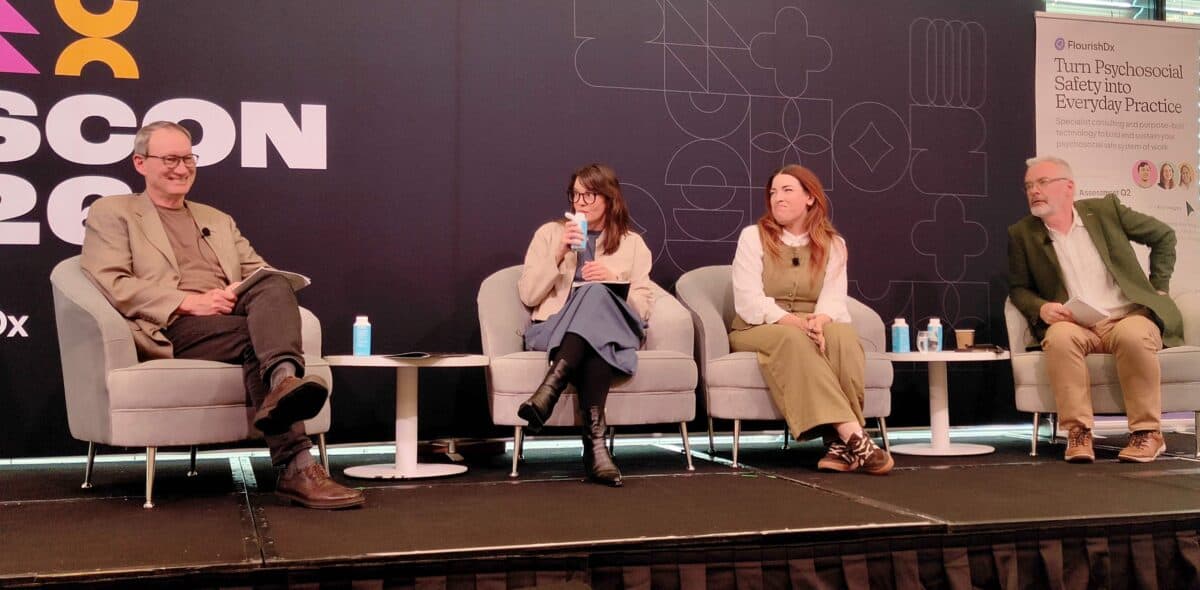
Across her 2024 and 2026 appearances at the Psych Health and Safety Conference, WorkSafe Victoria’s Amy Salmon’s message about psychosocial regulation in Victoria has shifted from explaining that psychosocial and psychological obligations exist to showing how compliance works in real life. The shift is subtle but important. In 2024, she was still fighting the battle of psychosocial legitimacy, pushing back against employers waiting for “the regs,” while by 2026 she was focused on operational detail, inspector capability and what reasonable compliance looks like in real workplaces.

Subscribe to SafetyAtWorkBlog to continue reading.
Subscribe Help
Already a member? Log in here

Honouring OHS Contribution While Agriculture Remains Deadly

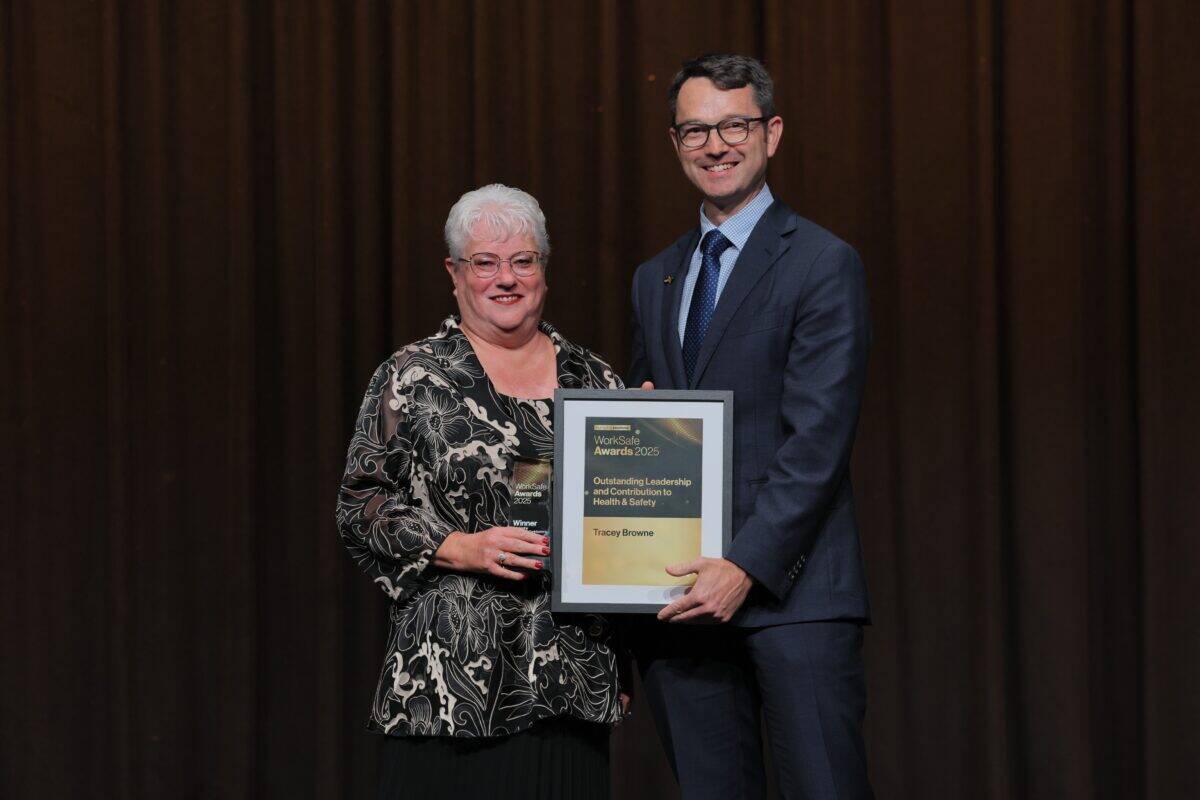
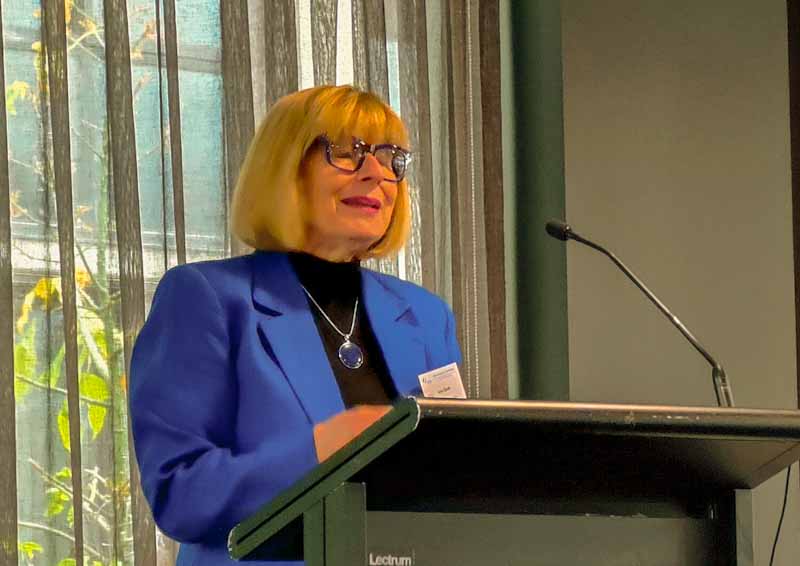
Occupational health and safety in Australia continues to have a low political and commercial profile, but that does not deny that we have significant OHS contributors. At a recent awards ceremony, WorkSafe Victoria recognised Tracey Browne (pictured above) for her contribution to OHS.

But other speeches raised other interesting OHS issues, especially regarding farm safety.

Subscribe to SafetyAtWorkBlog to continue reading.
Subscribe Help
Already a member? Log in here

Reform or Reframe? NSW’s WHS Laws Tackle Liability, Not Prevention

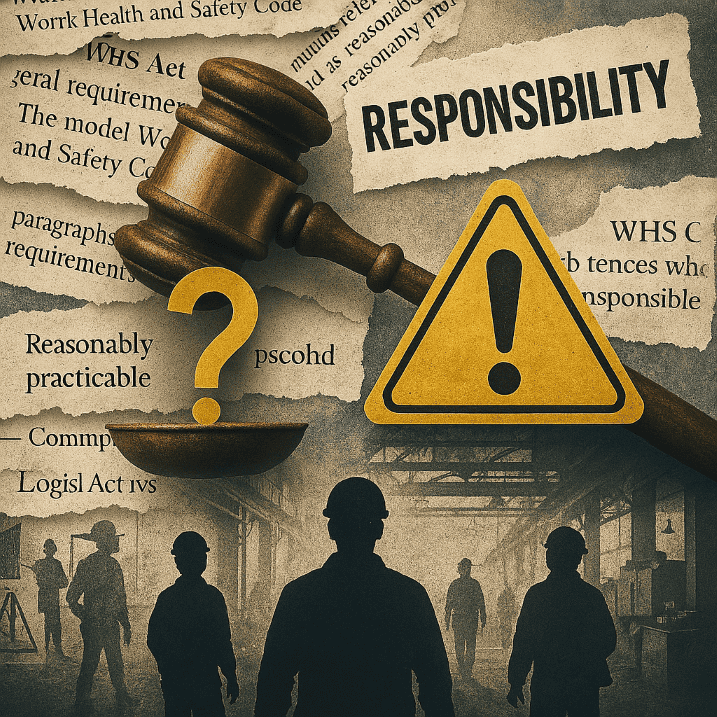
The New South Wales (Labor) government has amended its work health and safety and industrial relations laws. These changes have been described as “substantial” in one legal opinion, but the changes reflect the management of company liability more than preventing harm.

Subscribe to SafetyAtWorkBlog to continue reading.
Subscribe Help
Already a member? Log in here

Confronting Union Thuggery that Undermines Workplace Safety

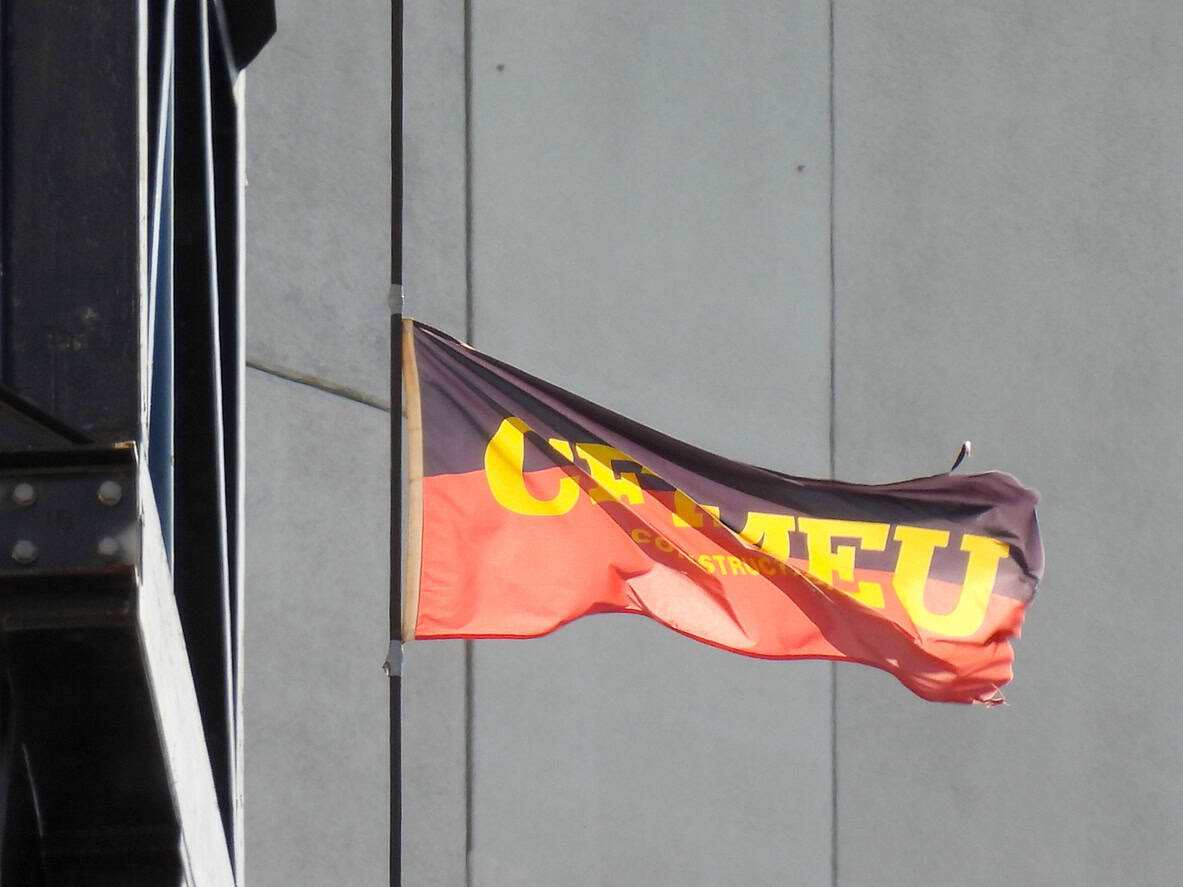
Militant construction unions in Australia have damaged the relationship between the community and the trade union movement. Although the typical trade union member may be a nurse, a teacher, or a public servant, most would depict a member as a big, aggressive, rude, and domineering man. Australia’s trade union movement is trying to redress this perception, but it cannot progress until it eliminates the unsafe behaviour of the organisers of the Construction Forestry Mining and Energy Union (CFMEU). The Queensland government is set to give reform a red-hot go.

Subscribe to SafetyAtWorkBlog to continue reading.
Subscribe Help
Already a member? Log in here

A cheap introduction to regulatory risks

There is a curious set of self-published safety-related books by Lance Luke. They seem to feature on Amazon, so I purchased one to satisfy my curiosity.  Top Ten OSHA Violations” is a thin, low-cost book that is little more than one may see in an occupational health and safety (OHS) convention – snappy, click-bait title, minimal explanation and several case studies.  This is not a book regarding any evidence beyond the extensive lived experience of the author. So what are the top 10?

Continue reading “A cheap introduction to regulatory risks”

Culture of Compliance and the Fair Work Ombudsman

On the morning of day one of the Australian Labor Law Association (ALLA) National Conference, the Fair Work Ombudsman, Anna Booth, mentioned a “culture of compliance.”

She explained the culture of compliance by revealing data in several industry sectors about significant non-compliance based on the activities of the Fair Work Ombudsman inspectors. So, it’s perhaps more important to talk about a non-compliance culture rather than a compliance culture.

Subscribe to SafetyAtWorkBlog to continue reading.
Subscribe Help
Already a member? Log in here

Industrial Manslaughter distracts from what really works

South Australia’s Industrial Manslaughter Bill is being negotiated in its Parliament. New South Wales’ version is in development, and Tasmania has said it does not want to be left out, so the government has flagged its intention to have Industrial Manslaughter (IM) laws. Each politician stresses the importance of these laws to deter employers from doing the wrong thing and causing the death of a worker. However, there are serious concerns about the intended deterrent effect when other occupational health and safety (OHS) measures have been shown to be more effective.

Subscribe to SafetyAtWorkBlog to continue reading.
Subscribe Help
Already a member? Log in here
Concatenate Web Development
© Designed and developed by Concatenate Aust Pty Ltd