
The Australian Financial Review (AFR) is a newspaper written for and about business, so worker safety and health is usually depicted as a nuisance to be addressed only when one absolutely must. However, its coverage of engineered stone products is notably skewed.
Category: OHS
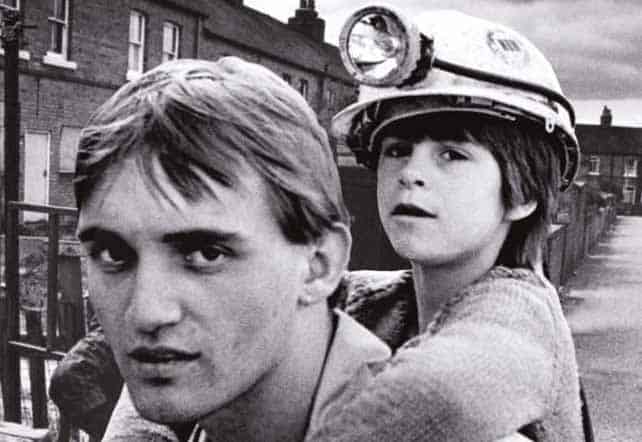
“Backbone of the Nation” and safety
In 1984 I was in England during the miners’ strike, a period of profound social and political change in the United Kingdom. The politics of that period have always fascinated me, but my profession has also caused me to look at some of the attitudes to occupational health and safety (OHS). While holidaying recently in the UK, I purchased Backbone of the Nation, looking at both the politics and safety.

The normalisation of quad bike safety
Segway has made a push into the Australian quad bike market, helping to fill the gap left by some vehicle manufacturers who would not accept safety improvements to their quad bikes. Prominent Australian agricultural newspaper, The Weekly Times, reviewed the latest Segway quad bike models. Rider safety was not mentioned specifically in the review, but it was visibly present in the accompanying image and reinforced by Segway’s video media relelase.

OHS is politics
Jordan Barab is a major voice in occupational health and safety (OHS) in the United States. This year he chalks up 20 years of his Confined Spaces blog. His latest year-in-review article includes a political perspective that Australian OHS professionals and institutions should consider.

No one seems to know why farm deaths have declined
This week’s Weekly Times, a major Australian agriculture newspaper, is reporting the good news that work-related deaths on farms have declined (not available online). The numbers from Safe Work Australia are positive, but the analysis of the reasons for the decline is thin.

Can we laugh at workplace health and safety?
Occupational health and safety (OHS) has never had a profile as high as that of the environmental protection movement. OHS has never had a single, focused advocate like Greenpeace to make it visible. OHS activists do not hang banners off Tower Bridge or throw eggs at politicians (yet). One of the characteristics shared by OHS and environmentalists is the lack of comedy. An existential crisis like climate change is hard to laugh about, just as workers are dying, but some would argue that such black comedy could be productive and promotional. A recent show on the BBC World Service, The Climate Question, looked at environmental humour, but there are OHS parallels.
Continue reading “Can we laugh at workplace health and safety?”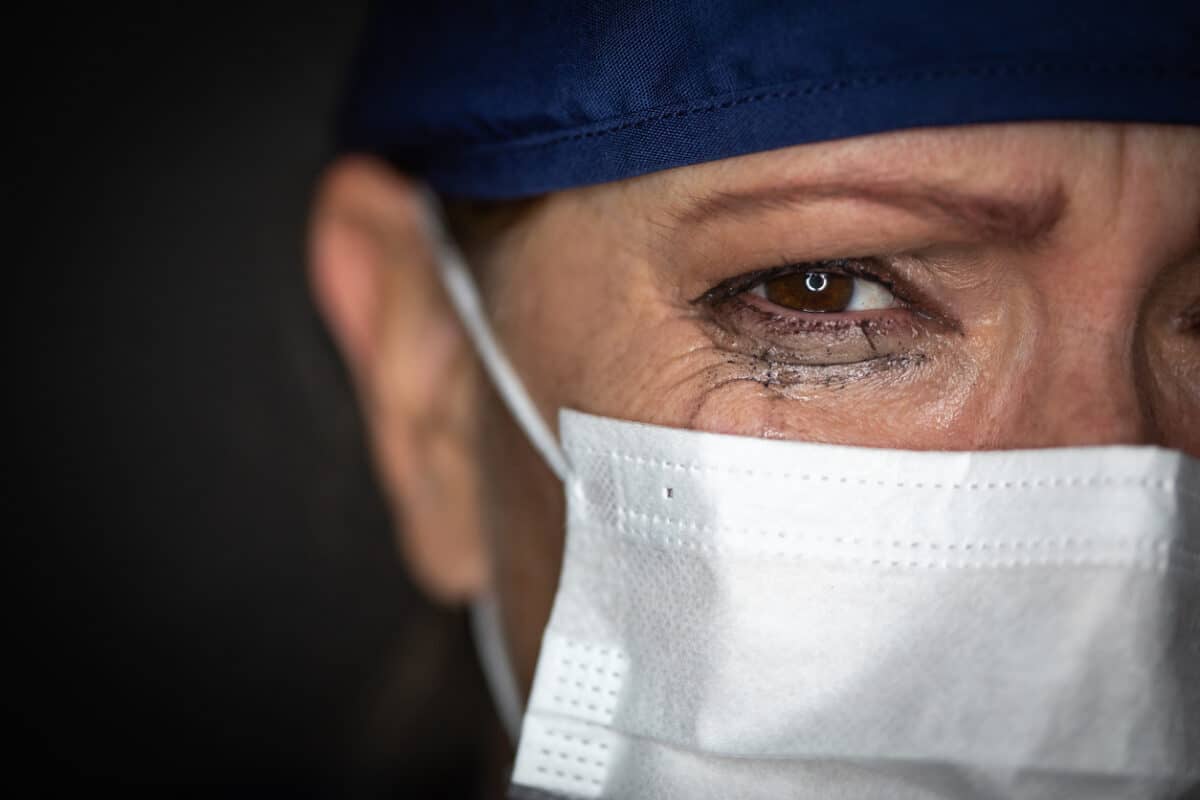
Moral distress = moral injury = workplace mental ill-health = burnout.
On December 29 2023, The Guardian newspaper’s cover story was about doctors in the United Kingdom’s National Health Service experiencing high rates of “moral distress”. It is common for hospitals and health care services to consider themselves as workplaces with unique hazards rather than suffering similar occupational health and safety (OHS) challenges to all other workplaces. What makes the OHS challenge so significant in the NHS is the size of the challenge rather than its nature or cause.