On January 23 2020, WorkSafe ACT released a curious safety alert. It was not about scaffolding, bushfire smoke, PPE, but about “safety systems on worksites”. It was not about things but about process.

On January 23 2020, WorkSafe ACT released a curious safety alert. It was not about scaffolding, bushfire smoke, PPE, but about “safety systems on worksites”. It was not about things but about process.
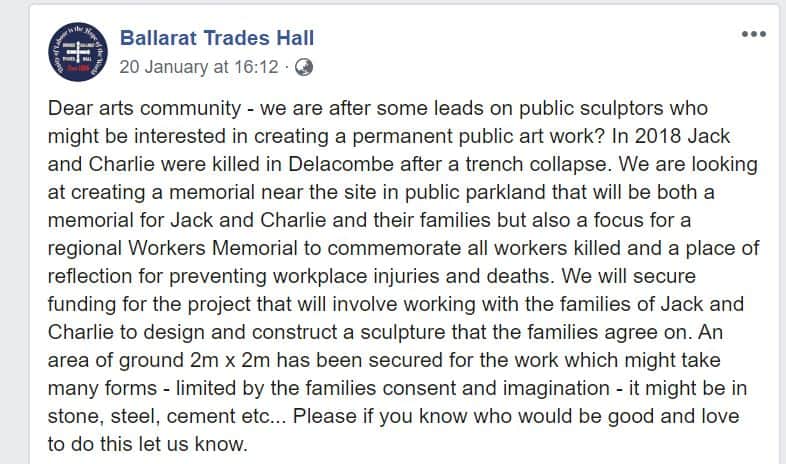
Ballarat Trades Hall is looking for an artist to design and produce a memorial to Jack Brownlee and Charlie Howkins who died as a result of a trench collapse in Delacombe, Victoria in 2018. Any memorial requires careful consideration and broad consultation with all the relevant stakeholders.
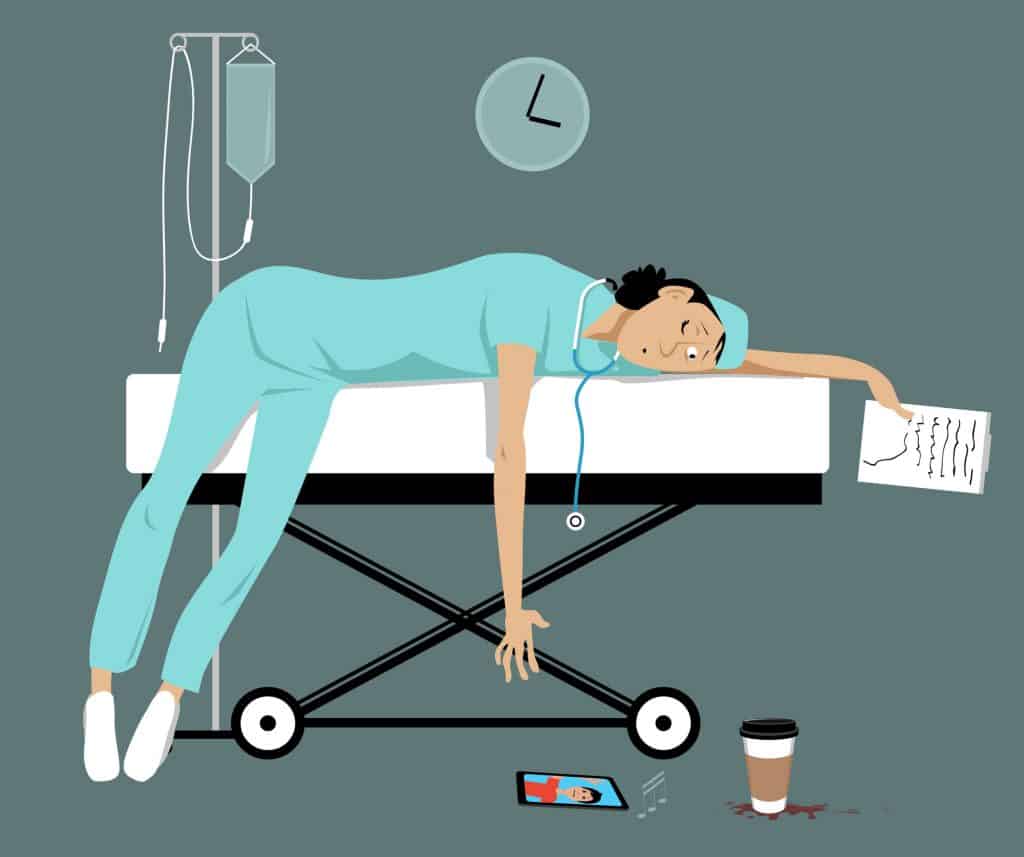
The Australian Medical Association (AMA) has released a media statement based on new research into mental illness and suicidal ideation of junior doctors. Given that the relationship between excessive working hours and mental health is increasingly becoming an occupational health and safety (OHS) issue, SafetyAtWorkBlog sought some clarification to some of the quotes in the statement attributed to AMA President, Dr Tony Bartone.
The January 23 2020 media release quoted Bartone saying:
“A healthy medical profession is vital to patient safety and quality of care, and the sustainability of the medical workforce,… Significant evidence already exists to show that doctors are at greater risk of psychological distress and stress-related problems. This new research provides clear additional insight into how the workplace can affect the health and wellbeing of the medical profession. Long working hours, unpredictable rosters, overtime, being on-call, and night shifts are significant systemic barriers to the maintenance of physical and mental health and wellbeing. There is an established link between working more hours and having higher rates of anxiety, depression, and psychological distress.”
These are the questions put to the AMA:
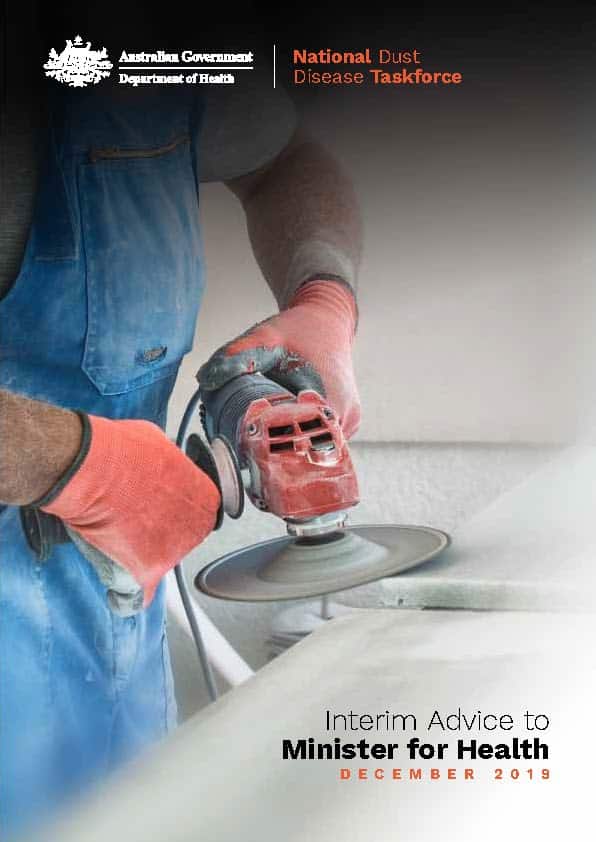
The Australian Government is starting to address the silicosis risk associated with engineered stone. The Health Minister, Greg Hunt, has said in a media release on January 23 2020 that the government will accept all five recommendations of the interim advice of the National Dust Disease Taskforce. However, some of these seem half-hearted and some actions will take a long time, which does not necessarily help those workers currently at risk.
In occupational health and safety (OHS), there is evidence and then there is evidence. Regardless of the type of evidence, there is not as much as there should be. Many companies and organisations in Australia are required to publicly release annual reports that identify their financial status. Increasingly non-financial criteria, like OHS performance, is being included in these reports but why isn’t this mandatory and why isn’t it of a consistent type? Late on 2019, the Australian Council of Superannuation Investors (ACSI) looked at the issue of OHS reporting, with some assistance from EY.
ACSI’s CEO, Louise Davidson illustrates the problem in her Foreword to the report:
“Almost one third of ASX200 companies provide their investors and other stakeholders no information on health and safety performance. For the companies that do provide some information, the disclosure often provides no insight into how many severe incidents occurred…….”
page 6
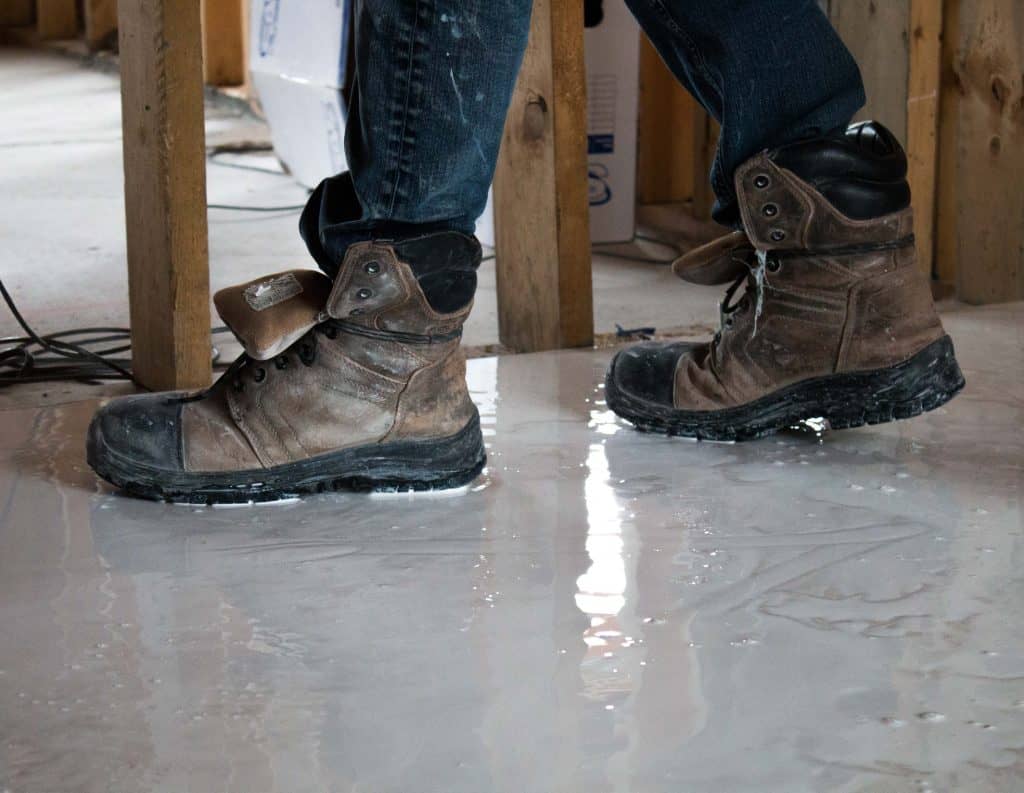
SafetyAtWorkBlog reader Tony wrote a long comment on safety footwear in response to a blog article from 2016. The comment deserves its own post, below.
Hi Kevin – arriving at this conversation incredibly late (though ‘better late than never’, as I believe someone once intoned), but there’s a decent reason I’m now invested in the conversation.
I recently spent an interesting hour or so with a sports podiatrist discussing, as you would suspect, footwear. More specifically, we talked about footwear to suite workers who spend the bulk of their time outdoors, working and walking on innumerable forms of uneven surfaces. And more specifically again, we discussed the degree(s) of ankle protection that, evidently, high-cut boots are able to provide.
But…
One of the take-home messages I took was the (apparent) absence of data to support the continued promotion of ‘high-cut’ footwear, when it comes to trying to provide ankle protection.
The Medical Journal of Australia (MJA) published an opinion piece on January 20, 2020 concerning working hours in the medical profession and the risk of mental health and suicide from working excessive hours. It uses the Japanese problem of “karoshi” to illustrate the severity of the workplace risks but it misses a couple of points.
It references the amendments to Victoria’s Occupational Health and Safety (OHS) legislation that introduced an offence of Industrial Manslaughter but implies that this amendment changes the duty of care expected of employers and changes a worker’s right to a safe and healthy workplace.