
 It’s soon to be the tenth anniversary of the iPhone. Tech writers are preparing their articles based on comparisons of how the iPhone has changed and how it has changed the world. But there has always been a dark side to the production of the iPhone and modern technologies, as a whole.
Category: Premium
What is a safety professional and what do they do?
 David Provan recently provided access to one of his research papers through LinkedIn while it is open. The paper is a literature review of the factors shaping the role of a safety professional. It is a difficult and confusing read until one reaches the Conclusion. This is not Provan’s fault but is an indication of the confusing and conflicting roles, actions, obligations and qualifications of the occupational health and safety (OHS) professional revealed by the research literature.
However, the Conclusion provides a good summary of all the literature with some useful strategies to improve the OHS conversation.
Grenfell Tower and other incidents illustrate major deficiencies in OHS perceptions
 A recent investigative report into workplace safety at Los Alamos laboratory in the United States included this statement:
“The Center’s probe revealed worker safety risks, previously unpublicized accidents, and dangerously lax management practices at other nuclear weapons-related facilities. The investigation further found that penalties for these practices were relatively light, and that many of the firms that run these facilities were awarded tens of millions of dollars in profits in the same years that major safety lapses occurred. Some were awarded new contracts despite repeated, avoidable accidents, including some that exposed workers to radiation.”
The whole article deserves reading but this paragraph in particular illustrates that deficiencies in procurement apply to large organisations in high risk sectors just as much as it can in the small to medium-sized business sector. A major reason is that detailed and diligent procurement has been seen as red tape and it seems to have taken disasters like Grenfell Tower to illustrate the moral deficiencies and short-term economic fantasies of
Road safety needs a systems approach to investigations
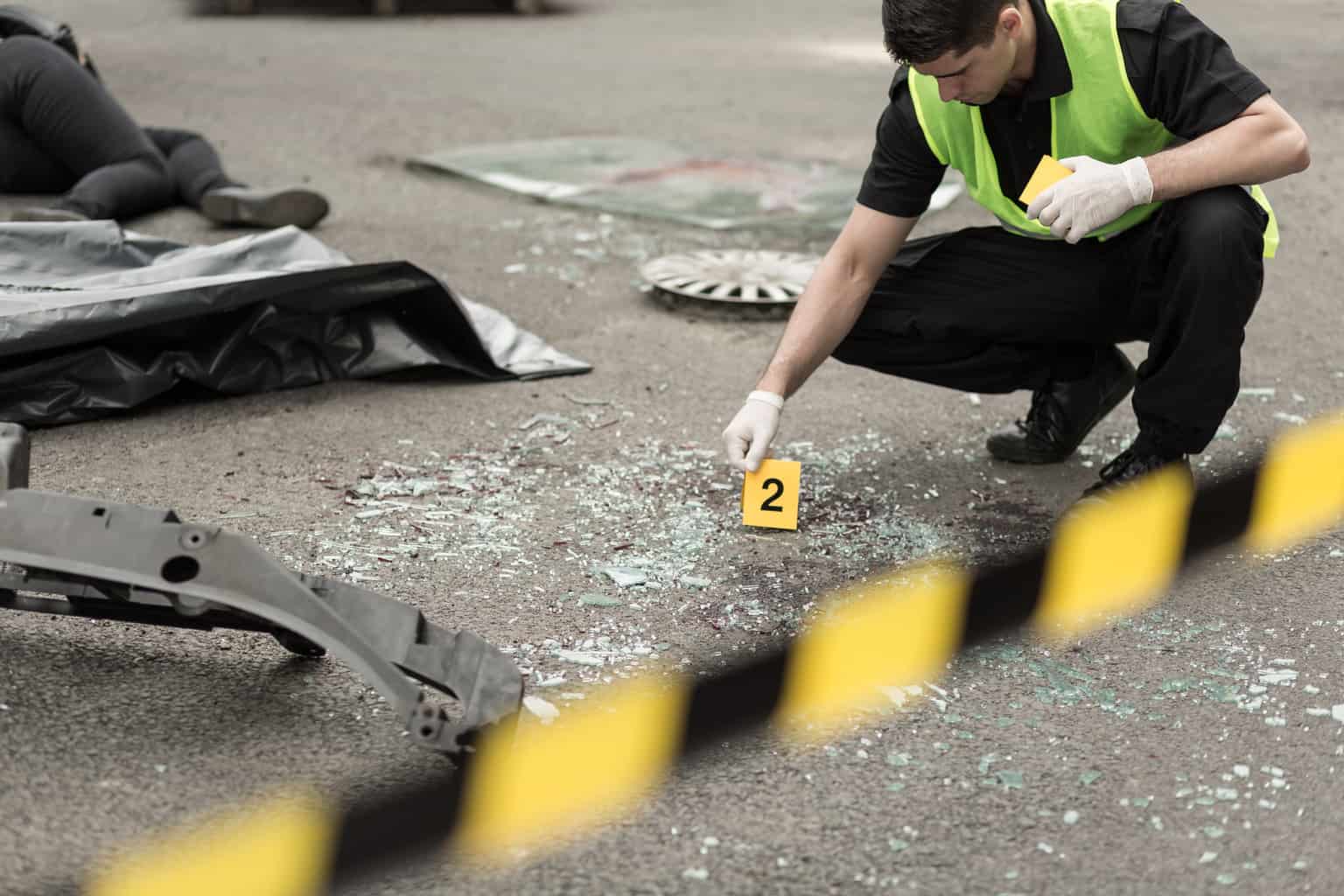 A company vehicle is a workplace. This is not a radical statement, or shouldn’t be. A worker driving the company vehicle is at work, transporting themselves or some goods somewhere as part of the work process. Yet most traffic accidents in Australia are not assessed to determine whether they are work-related and action is rarely taken by the occupational health and safety (OHS) regulators who seem comfortable with their secondary information gathering role in traffic accidents.
With the failure of the trade union movement’s efforts to maintain the existence of the Road Safety Remuneration Tribunal, others are stepping up pressure on Australia’s government to address some traffic accidents as work-related. And there is some important local independent research that seems to support this push.
The challenges of Todd Conklin
 Earlier this month SafetyAtWorkBlog published an article based on an anecdote by Todd Conklin about a glove. There was much more that Conklin shared at the SafeGuard conference in New Zealand. Below are several of his slides/aphorisms/questions that may challenge the way you think about managing occupational health and safety (OHS) in your workplace.
Insurer-led rehabilitation case management does not work
 On the eve of a Return-to-Work symposium in Hobart, Alex Collie, challenged the a seminar audience, as all good speakers should. His analysis of research data has found the following confronting information:
- “main service delivery mechanism (case management) is ineffective at best, harmful at worst,
Safety Culture and/or safetyculture
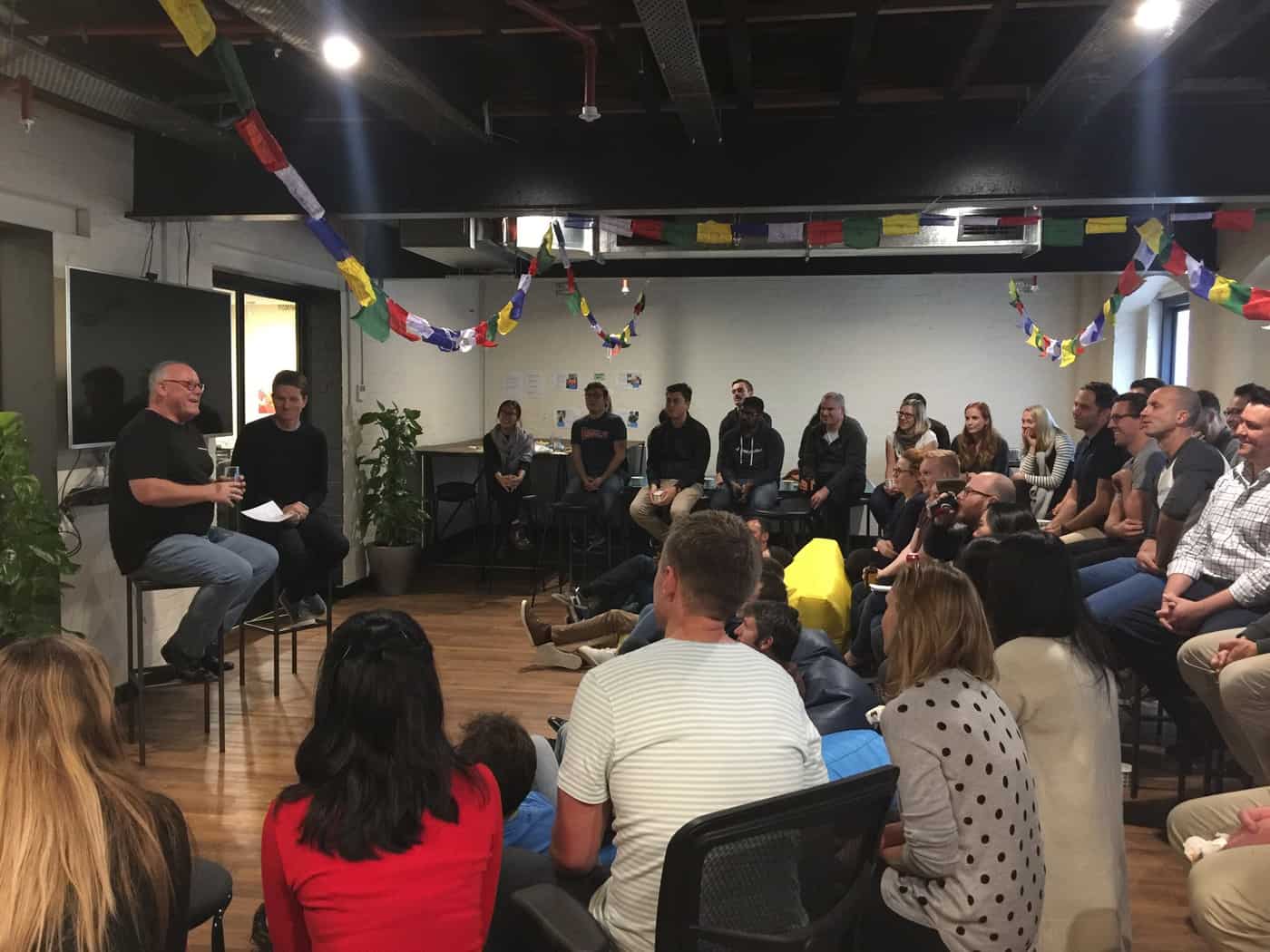
SafetyAtWorkBlog and others have been critical of some of the products and practices of Australia safety company SafetyCulture. However Luke Anear, SafetyCulture’s CEO invited me to speak at a briefing for his staff and this seemed a good opportunity to better understand his company.