Drug and alcohol testing does not improve workplace safety, so why have it?

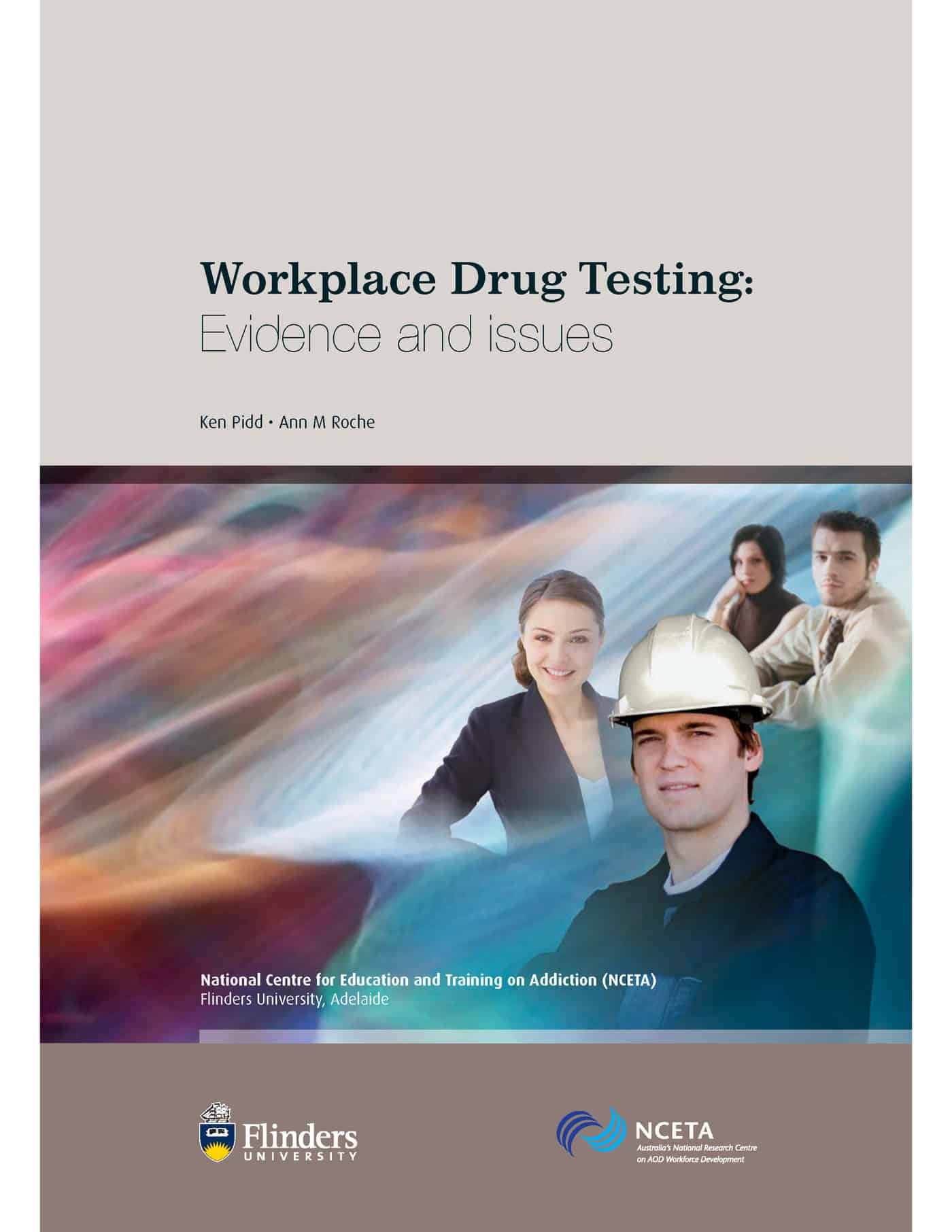
cover of EN455_NCETA_2011-2 Testing for drug and alcohol effects in workplaces sounds sensible but what do you do when there is no evidence that it improves worker safety or reduces risk? Apparently ignore the evidence, create industrial tension and impose unnecessary costs on industry.

The Australian national government and the Victorian (State) government have both pledged to introduce drug and alcohol testing for the construction sector.  The Victorian Government also promised to introduce drug and alcohol testing for parliamentarians but everyone expects a backdown on that election pledge.

Recently two researchers in Adelaide, Ken Pidd and Anne Roche published a research paper in Accident Analysis & Prevention asking “how effective is drug testing as a workplace safety strategy?“.  The abstract states:

“…the evidence base for the effectiveness of testing in improving workplace safety is at best tenuous.”
Subscribe to SafetyAtWorkBlog to continue reading.
Subscribe Help
Already a member? Log in here

Applying a “bullshit filter” during Mental Health Week

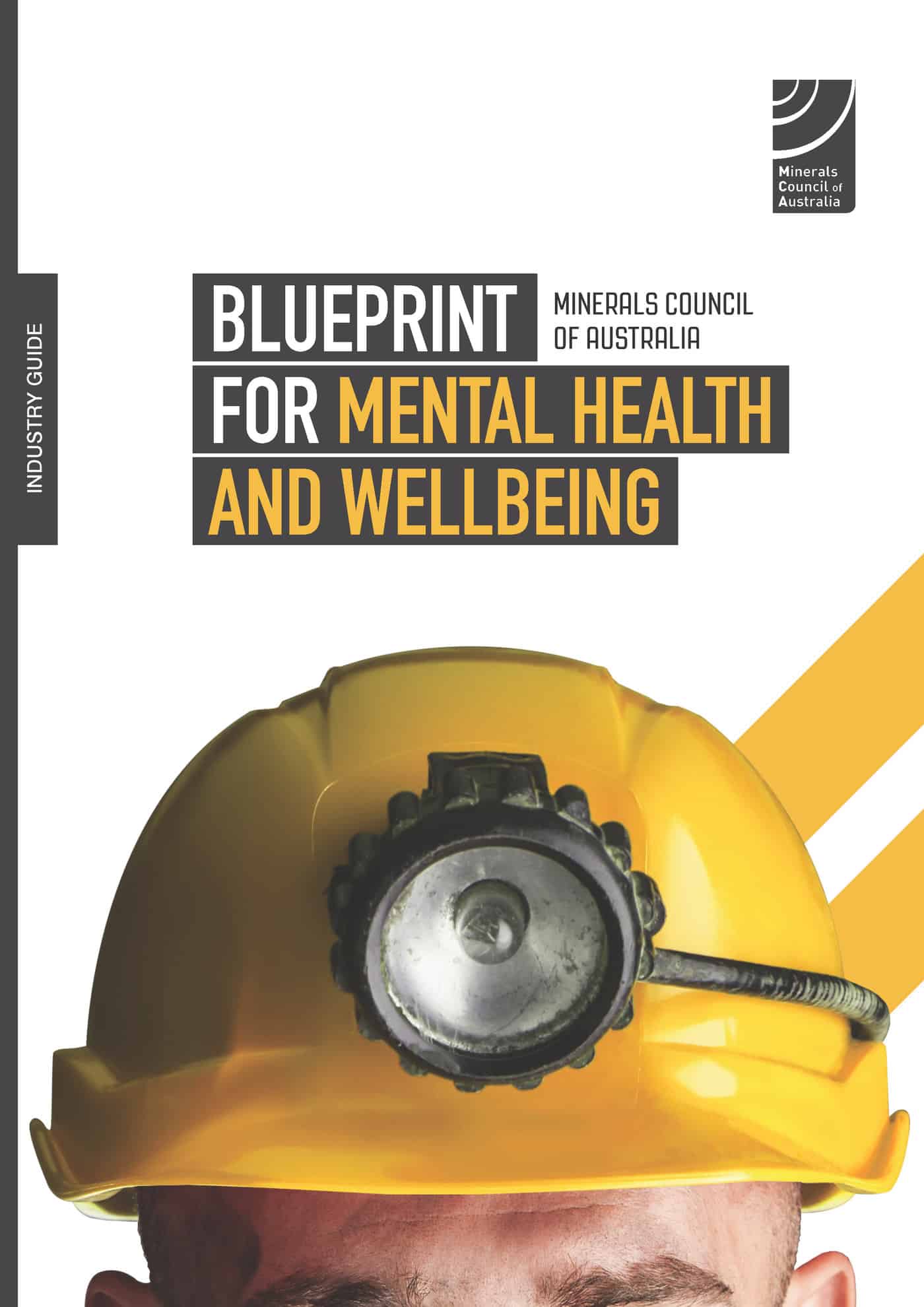
Cover of MCA_Mental_Health_Blueprint_FINALThis week in Australia is Mental Health Week.  Some call it an Mental Health Awareness Week.  Either way the Australian media will be full of experts and “experts”.  Workplace health strategies will not be excluded but when reading and listening to this media content, one important point should be remembered – “mental health” is significantly different from “mental illness”.

Such differentiation should not be dismissed as semantics because health, illness, problems and disorders involve different levels of analysis and diagnosis and, therefore, different strategies, interventions and control measures.

Recently the

Subscribe to SafetyAtWorkBlog to continue reading.
Subscribe Help
Already a member? Log in here

Workplace resilience gets a kicking

The Age newspaper has published a feature article entitled “Workplace resilience: It’s all a great big con“. Although it does not mention occupational health and safety (OHS) specifically, it is applying the OHS principle of addressing the causes of workplace injury and ill-health.  It says that workplace resilience and similar training courses and strategies:

“… can’t overcome the structural realities and power imbalances that characterise the employment relationship. “Workplace resilience” might help us bear up to stress, but it won’t solve its underlying causes. And the causes of workplace unhappiness don’t necessarily reside in the individual and their own ability to “be resilient” or “relax” – they are part of the economic structures within which we work.”

Subscribe to SafetyAtWorkBlog to continue reading.
Subscribe Help
Already a member? Log in here

Muddled talk is not helping OHS

A short discussion* in Tasmania’s Parliament on 16 September 2015 is illustrative of the use of language to answer a question, just not necessarily the question asked.  This type of political language has existed for centuries and will continue to do so but it contributes to people’s confusion about occupational health and safety (OHS) and the regulators’ role in enforcing OHS laws and should be called to account.

The question was asked by Independent Kerry Finch to Attorney-General Dr Vanessa Goodwin.

“Is the Government concerned about the rundown in staff for the WorkSafe program? Is the Government aware that there are only a reported 19 field inspectors, when it requires between 27 and 30 for the program to work efficiently? Does the Government plan to recruit more field inspectors for WorkSafe?”

Subscribe to SafetyAtWorkBlog to continue reading.
Subscribe Help
Already a member? Log in here

Union launches drug and alcohol testing program

In March 2015, after years of resistance to drug and alcohol testing, Australia’s Construction Forestry Mining and Energy Union (CFMEU) changed its position substantially.  The catalyst for change has never fully been explained but this week, the CFMEU actively promoted drug and alcohol testing at a major construction site in Geelong.

On 22 September 2015 at the

Subscribe to SafetyAtWorkBlog to continue reading.
Subscribe Help
Already a member? Log in here

OHS is in sports but by another name

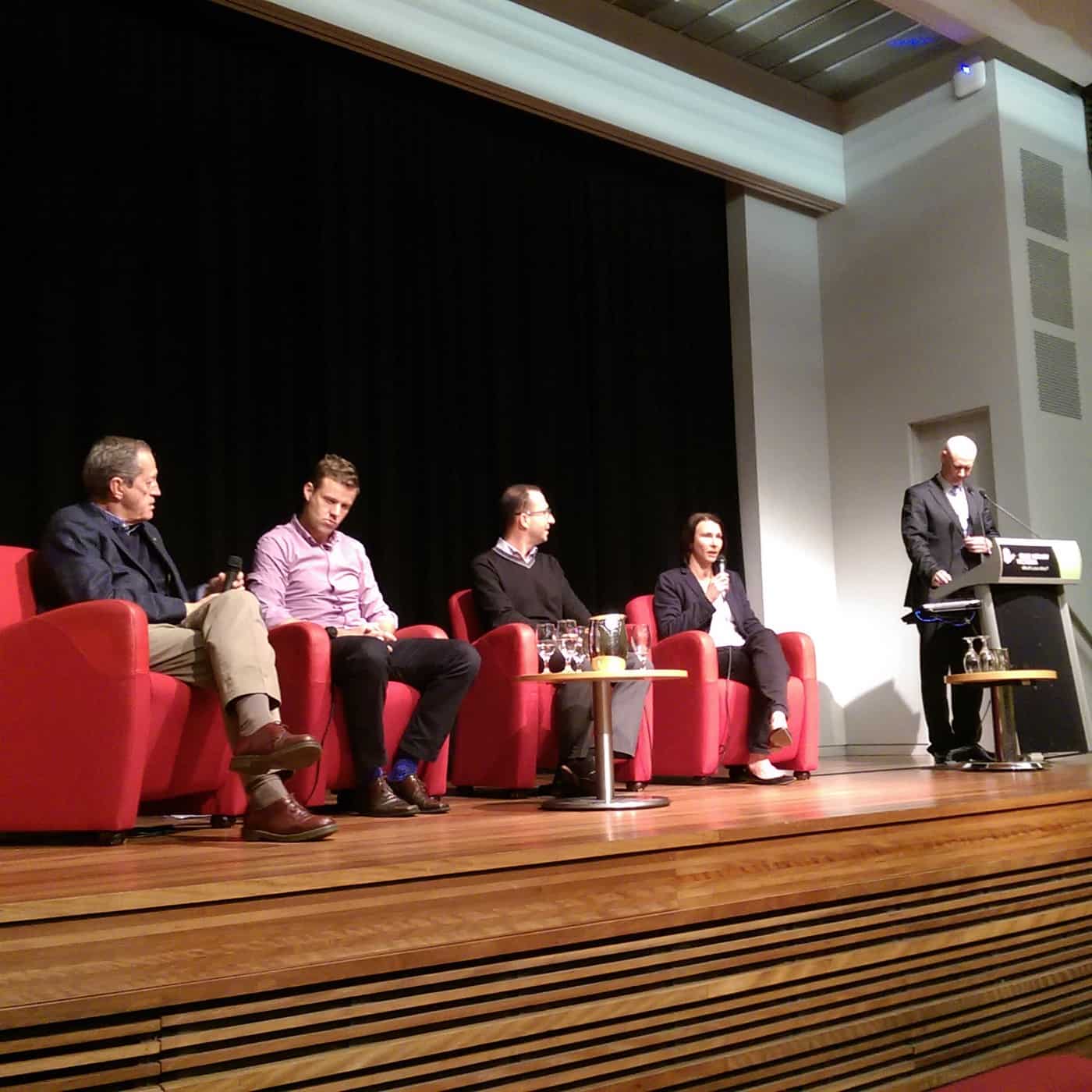
After writing a recent article about the relevance of occupational health and safety (OHS) laws to sporting clubs, I attended a sports medicine seminar to access a different perspective on workplace safety.

2015-09-21 18.43.15Having never played sports outside the obligatory high school activities, which in my high school also included snooker?!, the world of locker rooms and team sports is foreign.  But earlier this week I learnt that where OHS professionals talk about productivity, sportspeople speak of performance, and where factories address line speed, sports physicians talk of load management.  I also learnt that professional sportspeople are exempt from workers’ compensation.

Subscribe to SafetyAtWorkBlog to continue reading.
Subscribe Help
Already a member? Log in here
Concatenate Web Development
© Designed and developed by Concatenate Aust Pty Ltd