The PM misses an opportunity for OHS leadership

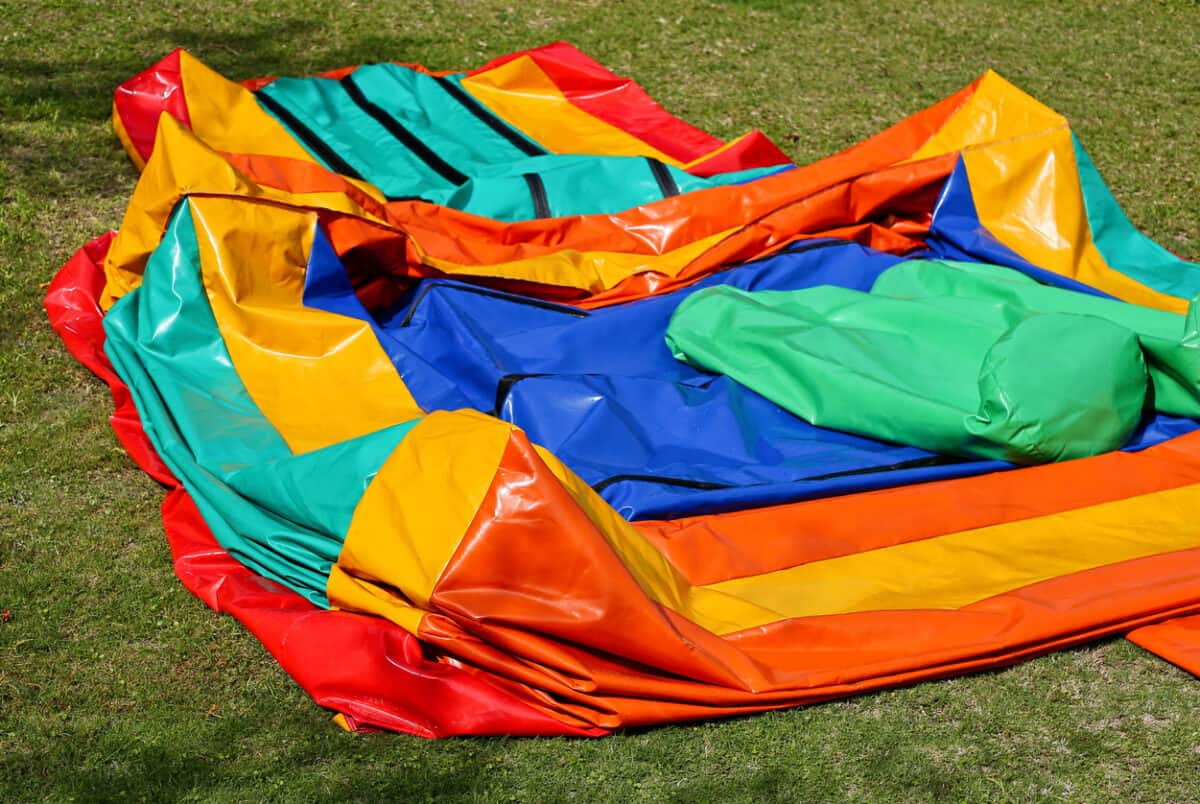
Last week in Devonport, Tasmania, an inflatable jumping castle flew into the air injuring and killing several primary school-aged children.  Shortly after Prime Minister Scott Morrison conducted a press conference in conjunction with the Tasmanian Premier Peter Gutwein and others in which he spoke about the incident and its impact on the local community.  It is worth looking at the PM’s comments from an occupational health and safety (OHS) perspective.

Many readers will be aware that fatalities related to inflatable amusement devices becoming airborne are uncommon but not unknown, as the ABC article linked above shows.  Most Australian jurisdictions have issued OHS guidelines for amusement devices, including inflatable jumping castles. Here are links to two examples that illustrate the state of knowledge of the risk. This article makes no comment on the OHS circumstances of the Devonport incident.
Subscribe to SafetyAtWorkBlog to continue reading.
Subscribe Help
Already a member? Log in here

Banyan Health Group responds

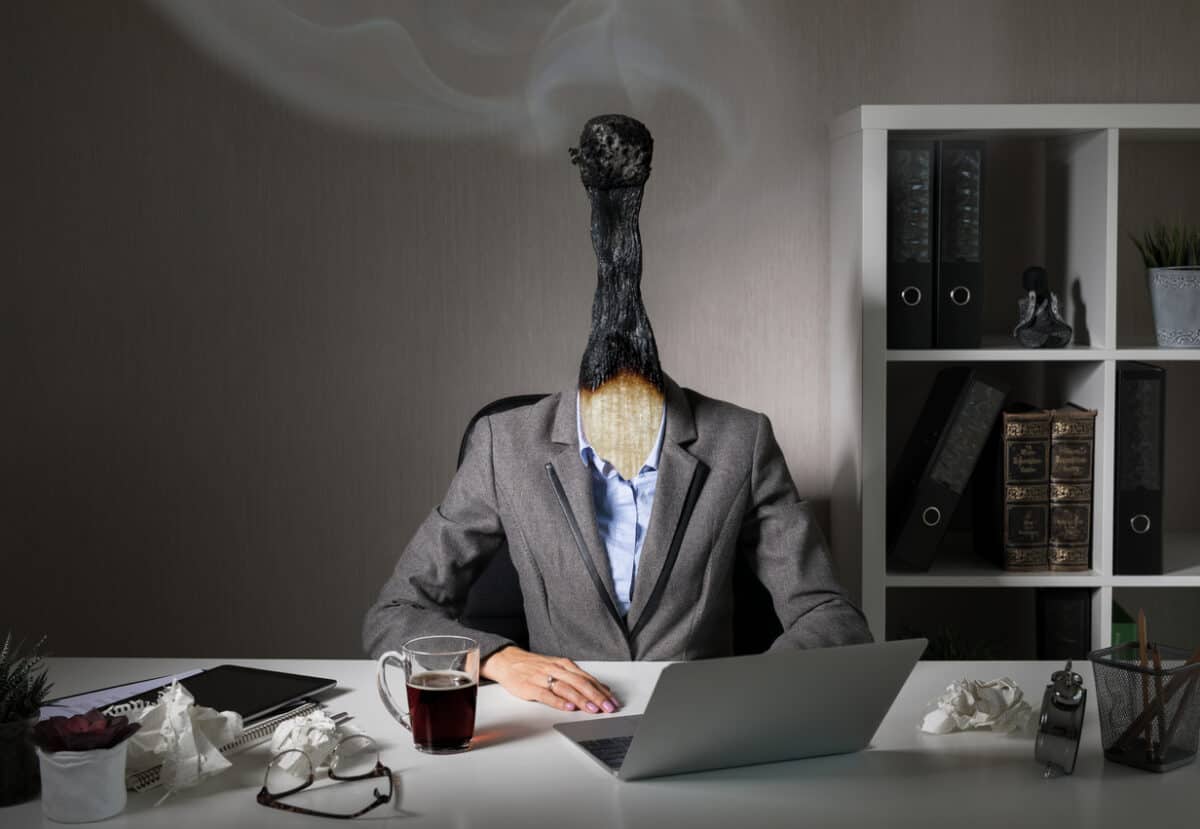
Earlier this week, I paused an article on corporate burnout which used a media release from the Banyan Health Group as the catalyst. The group chose not to respond to some challenging questions but later reversed their position. Below are the responses of Ruth Limkin – CEO of The Banyans Healthcare Group to those questions. I thank Ruth and her team for their support

SAWB: The media release mentions chronic stress risk factors of “increased absenteeism, disconnected employee relationships, heavy workload and tight deadlines” and “longer hours”.  The World Health Organisation has written that “Burn-out refers specifically to phenomena in the occupational context and should not be applied to describe experiences in other areas of life”. What can an executive manager do to reduce or eliminate these factors and thereby reduce the need for personal psychological interventions? Should the businesses change the way they do business and change the expectations that they place on executives?

Subscribe to SafetyAtWorkBlog to continue reading.
Subscribe Help
Already a member? Log in here

Can nightshift be safe?

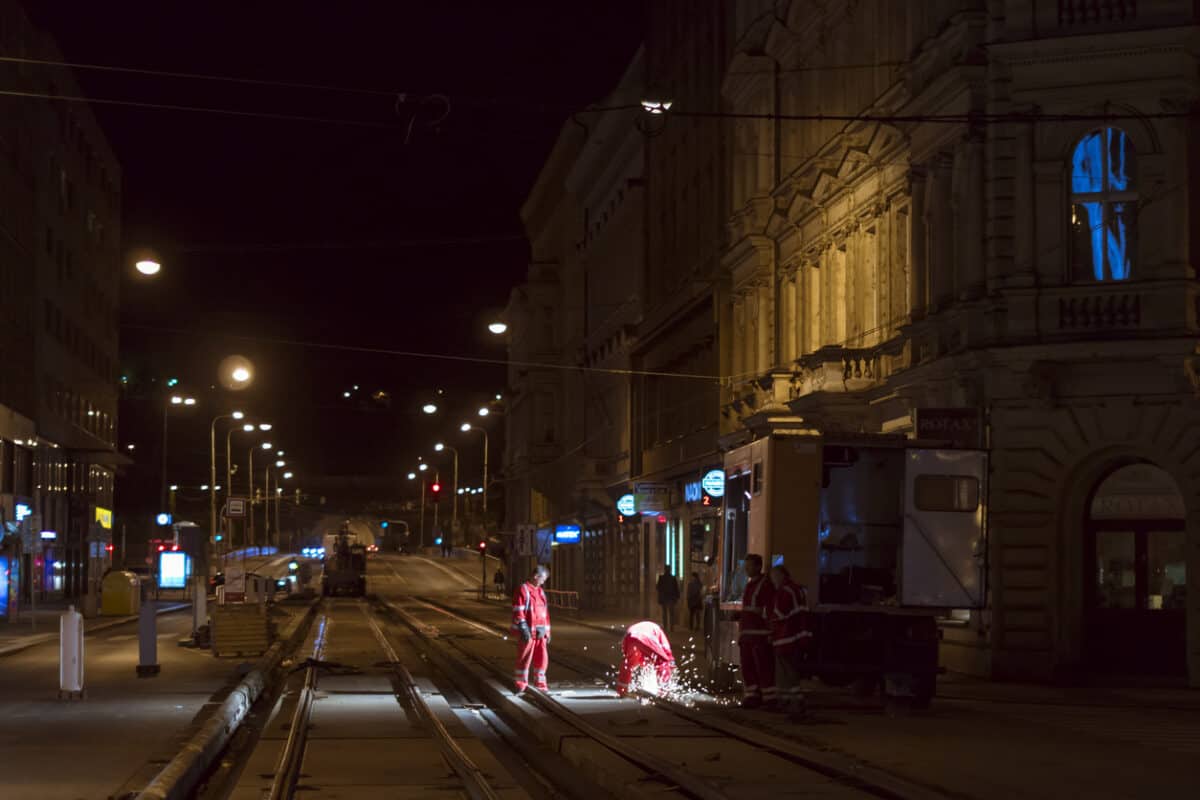
Is it time that we reassessed night shift work through the occupational health and safety (OHS) lens?

In 2022 Dr Lin Shen and Dr Tracey Sletten of Monash University will be starting a research study, supported by the National Health and Medical Research Council, to

“… examine the role of light in the response to shift work and to help develop more individual recommendations for light exposure to improve the management of shift work”.

Shen and Sletten are looking for companies willing to participate. Contact details are available in the Research Project Proposal.

This article is not a criticism of the research project but uses some comments in the proposal as a catalyst for a discussion about the health and safety of night shift work.

Subscribe to SafetyAtWorkBlog to continue reading.
Subscribe Help
Already a member? Log in here

Progressive report on construction industry culture

An analysis of the safety culture in Australia’s construction industry was launched in October 2021 by a coalition of construction companies under the Construction Industry Culture Taskforce rubric. The Report proposes some interesting and significant changes including capping the working hours to no more than 50 hours and no weekend work. This suggestion is of enormous significance as it challenges the statements of many construction companies of worker safety being their highest priority.

Subscribe to SafetyAtWorkBlog to continue reading.
Subscribe Help
Already a member? Log in here

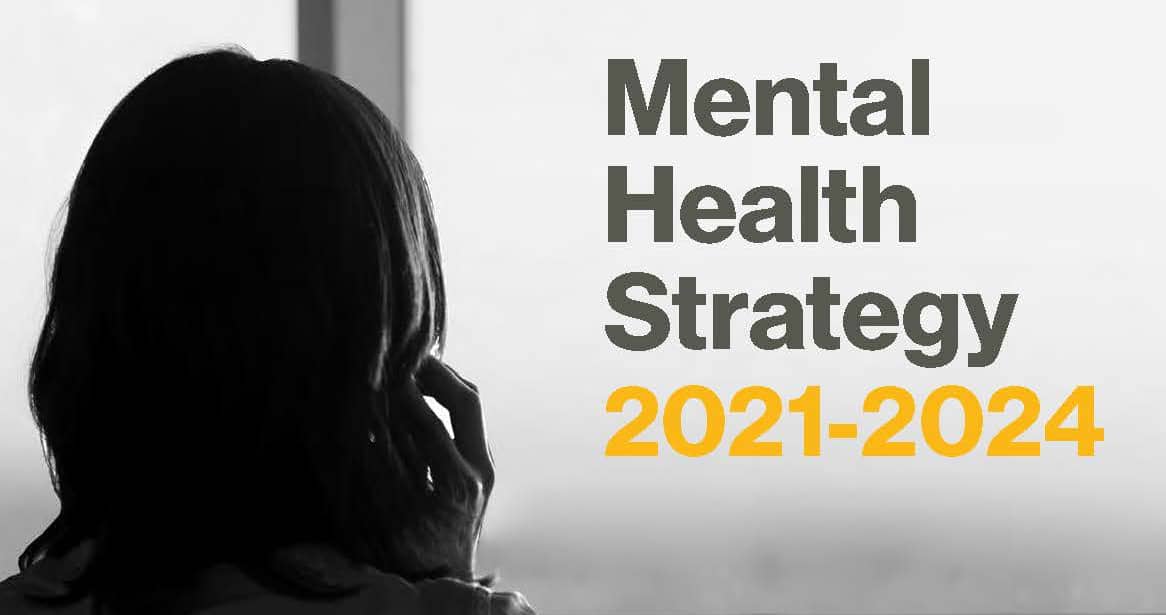
WorkSafe Victoria’s new Mental Health Strategy is good but constrained

WorkSafe Victoria has launched a “Mental Health Strategy” aimed at preventing mental health at work. It is a good strategy that is hampered by its jurisdictional constraints. There is plenty of evidence on the causes of mental ill-health at work and what is required to prevent this hazard. Many of these controls exist outside the workplace, beyond the realm of any one government organisation, so it is disappointing that the Victorian Government did not release a Statewide mental health plan, especially as it has a Minister for Mental Health in James Merlino.

Subscribe to SafetyAtWorkBlog to continue reading.
Subscribe Help
Already a member? Log in here

OHS must understand business perspectives and vice versa

This week Forbes magazine included a peculiar article about Australian occupational health and safety (OHS) headed “If You Think Managing Worker Health And Safety Is Expensive, Try An Accident“. The article written by Susan Galer includes several curious perspectives and mentions industrial manslaughter (IM).

Subscribe to SafetyAtWorkBlog to continue reading.
Subscribe Help
Already a member? Log in here

A contemporary First Aid code of practice

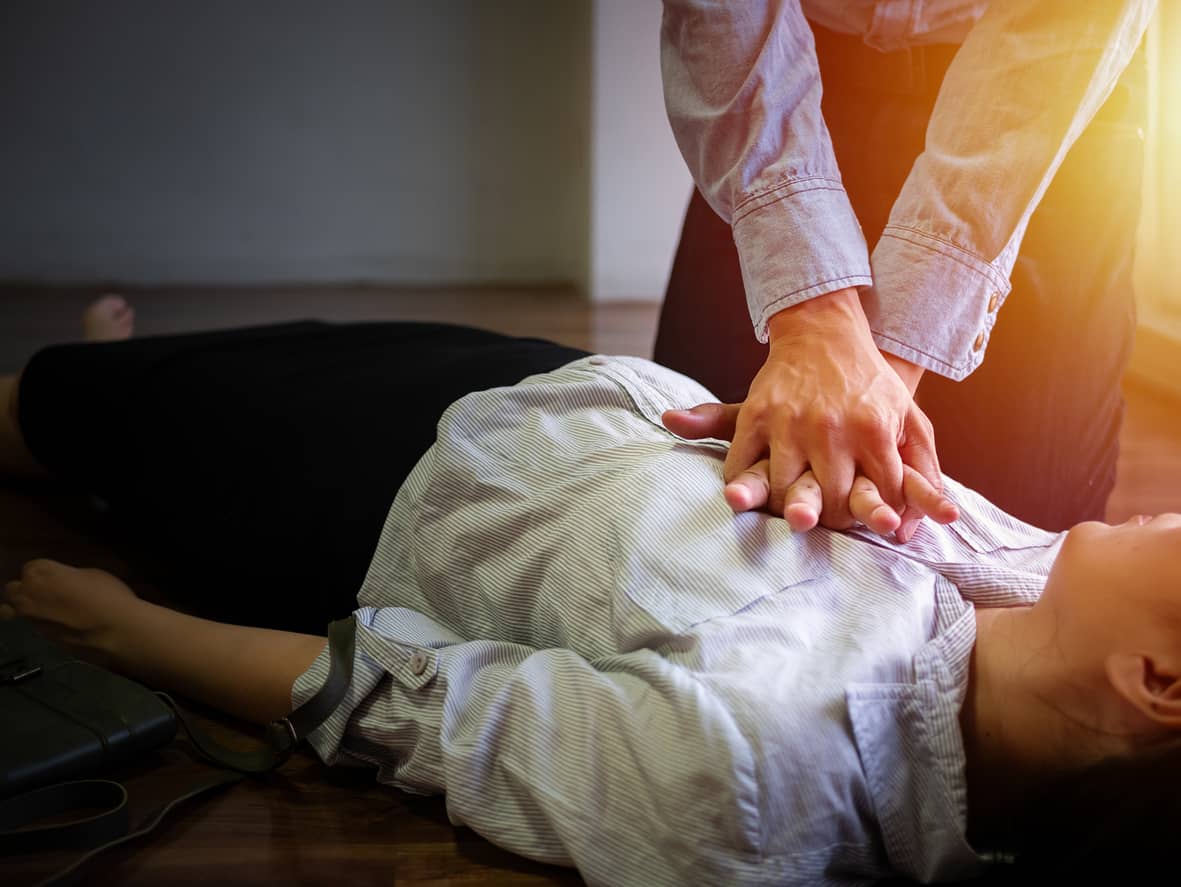
WorkSafe Victoria has updated its Compliance Code for First Aid in the Workplace. No huge change to determining first aid compliance, but it, curiously, is labelled as Edition 1 even though a previous Edition 1 has existed since 2008 (earlier versions go back to 1995). So what’s changed?

Subscribe to SafetyAtWorkBlog to continue reading.
Subscribe Help
Already a member? Log in here
Concatenate Web Development
© Designed and developed by Concatenate Aust Pty Ltd