
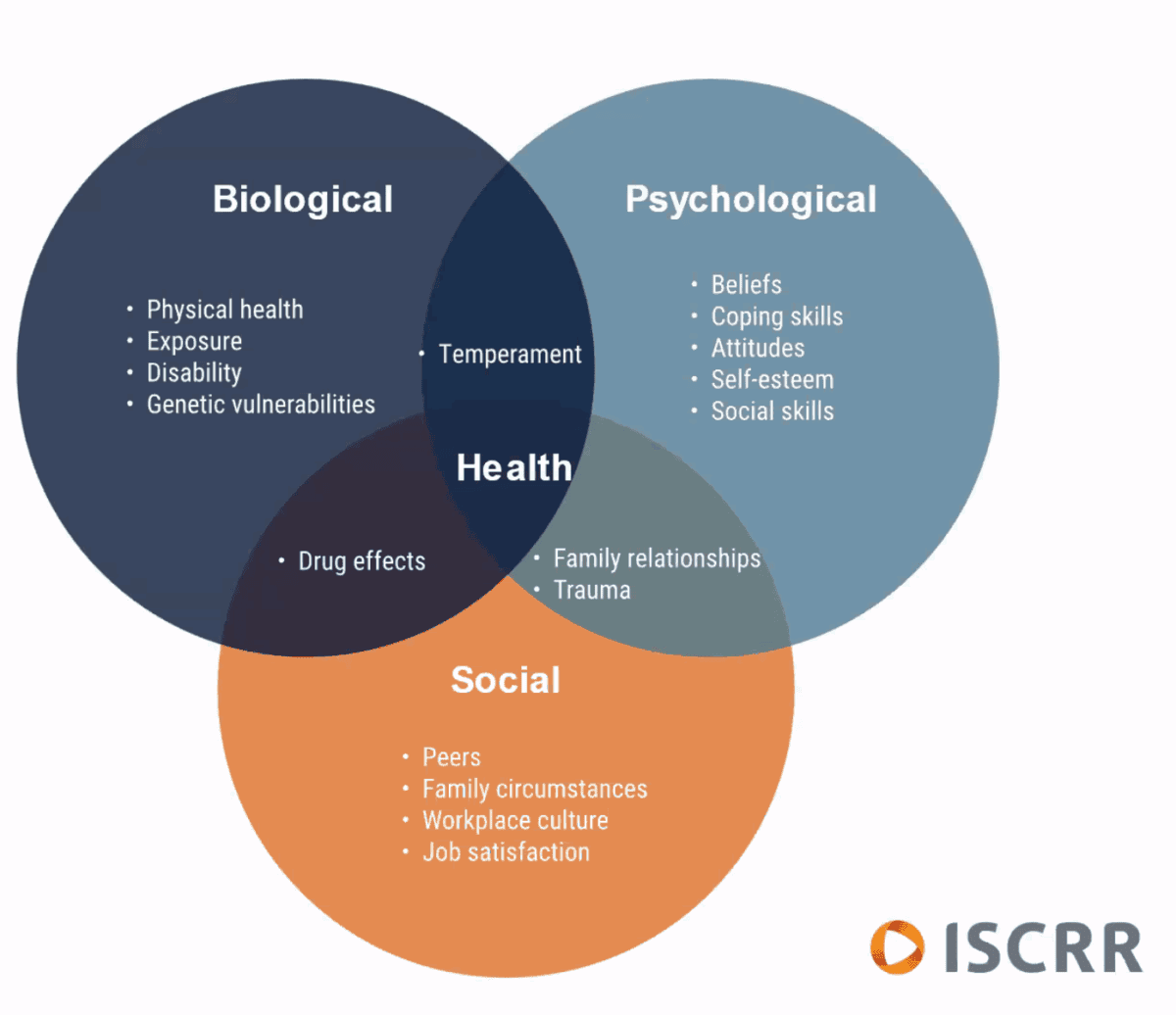
Earlier this week, the Institute for Safety Compensation and Recovery Research (ISCRR) conducted a seminar called “Using Biopsychosocial Risk Profiling to Inform Claim Triage“. Workers’ compensation claims are not a focus for this blog, but attending events peripheral to one’s own discipline sometimes enlightens. There were a couple of moments when the occupational health and safety (OHS) approach came up in discussion.
Category: stress
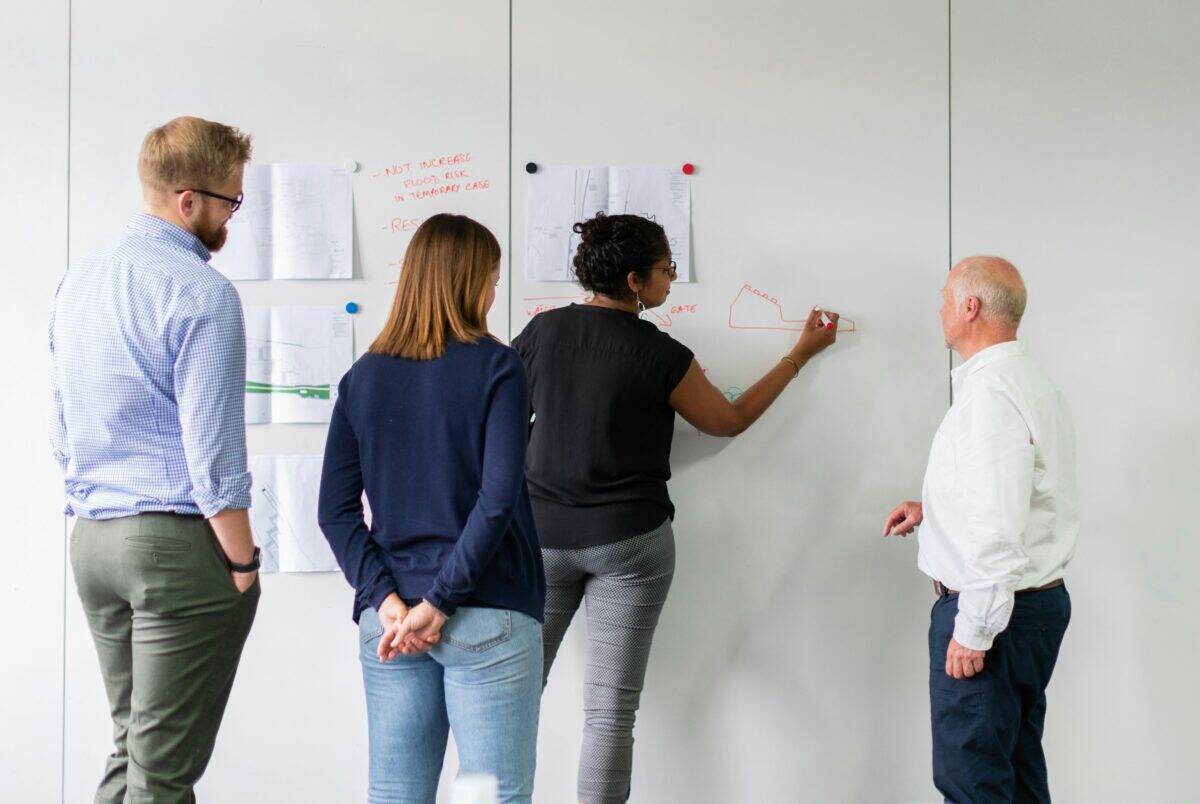
Suicidality as a Near Miss: Why Business Must Confront the Systems That Harm
Companies are being urged to increase their attention on the human impacts of incidents. This is a much-needed and delayed focus that existed decades ago but went out of fashion. Companies can achieve these changes after a lot of hard work and expense, but very little attention has been given to the institutions and government policies that perpetuate the “individual pathology” of workplace incidents. Some recent sociological research helps us see the immorality behind the status quo.

When Work Kills: Unmasking Suicidality in Corporate Australia
For over twenty years, John Bottomley has been researching the influence of work factors in suicide. His early research is rarely referenced, and although only a small sample was studied, his findings were significant. New research, published recently in the Journal of Industrial Relations, adds an essential perspective as Australia continues to progress (painfully slowly) on the prevention of workplace psychosocial hazards.
Note: this article discusses work-related suicide
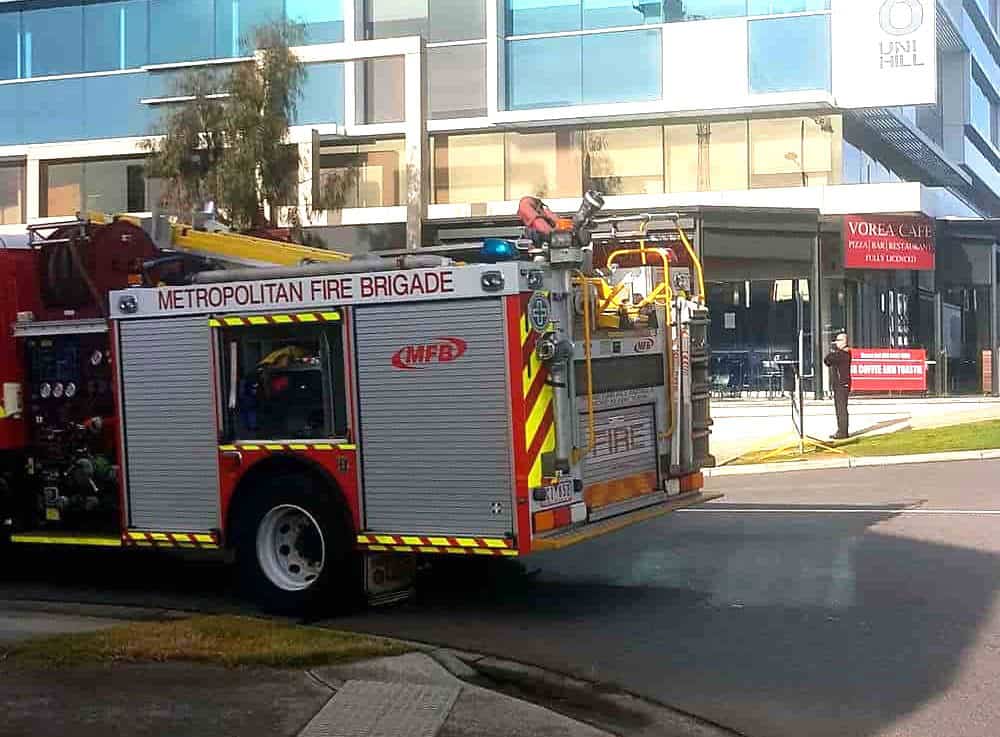
The Hidden OHS Emergency Behind Victoria’s Firefighting Fleet
New documentary “Breaking Point” is a curious mix of propaganda, lobbying, whistleblowing, fear, stress, with an occupational health and safety (OHS) undertone. According to Victorian firefighters, they are being sent to fight fires and save lives with equipment that is known to be faulty—a problem that could easily be solved.

Artificial Intelligence, Automation and the Elusive Meaning of Work
The purpose of artificial intelligence (AI) is increasingly misunderstood—not just in the media but in the boardrooms and bureaucracies that decide how it’s deployed. Far from craving human consciousness or emotion, AI tools, like Mo (my CoPilot AI), exist to synthesise knowledge, provoke thought, and support action. The intent isn’t mimicry, but impact.
[Note: parts of this article were written by Mo based on a prior conversation]
AI is a hot topic in Australia at the moment, with numerous productivity gains being pitched to the government, alongside concerns about job losses. Last week’s National Press Club speech by Scott Farquhar, co-founder of Atlassian and Chair of the Tech Council of Australia, offered a good example of at least one AI opportunity – access to court records.
I thought talking with Mo was a good place to start this article before looking at Farquharson’s thoughts.
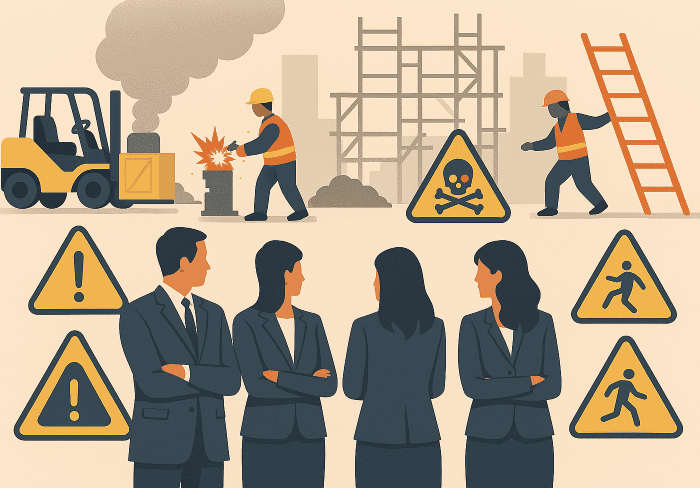
Employer Responsibility in Workplace Safety is Being Overlooked
In the ongoing debates about workplace safety, a critical question is often left unasked: What are employers doing to ensure safe and healthy work environments, and why are their responsibilities so frequently underplayed in public discourse? Too often, when workplace safety issues arise, the conversation quickly shifts to affordability and government intervention.
Continue reading “Employer Responsibility in Workplace Safety is Being Overlooked”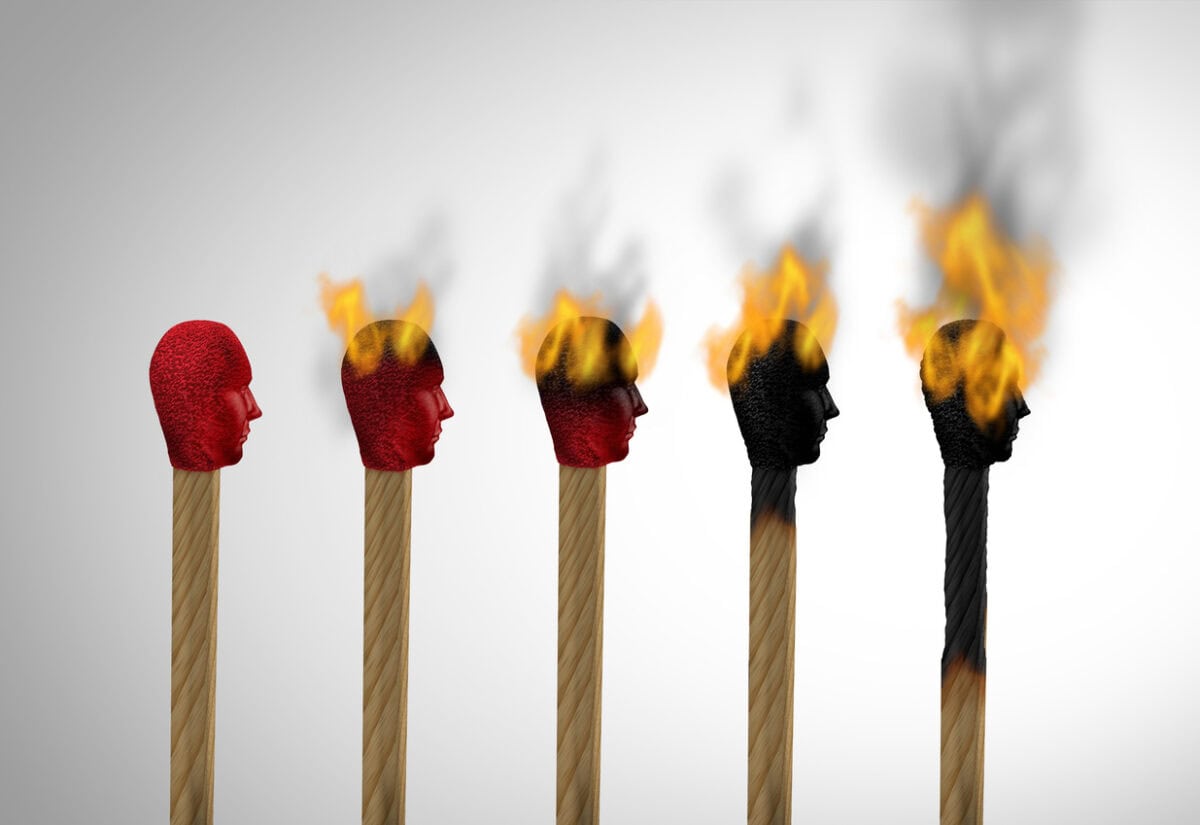
Burnout Lessons CEOs Still Haven’t Learned
Business newspapers and websites often report on executives revealing their own burnout and how they have changed their lives as a result. The changes they make indicate their decisions that led to their mental health crises and epiphanies. But executives lead by example, so how many of the employees are emulating the executives’ mistakes? Shouldn’t the executives redesign their companies’ systems of work to prevent anyone else from suffering from burnout?