Is the OHS role in ESG overstated?

The March 2023 edition of Professional Safety, the journal of the American Society of Safety Professionals, included a lead story about the safety professional’s role in ESG (Environment Safety and Corporate Governance) strategies.  Its perspective was a little unclear and was based on many assumptions.

One of the problems with the article is the assumption that the occupational health and safety (OHS) professional has a large influence over the decisions of the business.  That is rarely the case, and there are many instances of OHS being sidelined or compartmentalised by structural and reporting lines and the exclusion of OHS from key decision forums like Board Meetings. So does OHS have a role and to what extent?


Subscribe to SafetyAtWorkBlog to continue reading.
Subscribe Help
Already a member? Log in here

“Some of you may die, but it’s a sacrifice I am willing to make”

Recently at the Central Safety Group, I offered two business options to prevent and manage the risks of mental injury at work – Employ more people or Descope company expectations. This was glib, but I was trying to simplify the decisions that employers will face if they choose to meet their occupational health and safety (OHS) obligations. The reality of the decision-making process is challenging, but it seems to me that the core decisions are to increase the workforce to adequately and safely meet the needs of the company or project, or reduce the production volume or decrease the expectations of the client, and the related stress levels of the workers, to match the size of the workforce.

The actual decision is more complex, but this choice is fundamental to the prevention of harm and compliance with the OHS laws.

Subscribe to SafetyAtWorkBlog to continue reading.
Subscribe Help
Already a member? Log in here

OHS and the big picture

There is an increasing trend to look deeper into the causal factors of workplace incidents and poor worker health in the physical and psychological contexts. This is partly due to “systems thinking” and partly dissatisfaction with failed regulatory and psychological strategies that promised so much but have failed to realise the promise. The trend needs some boosting by the occupational health and safety (OHS) community, which itself needs upskilling.

Subscribe to SafetyAtWorkBlog to continue reading.
Subscribe Help
Already a member? Log in here

Don’t mention profit

The primacy of profit to employers is an accepted truth. However, the size of the profit and the pathway to those profits are not absolutes, and it is in this latter context that occupational health and safety (OHS) lives.

Even though profit is a business truth, it is often a word that business representatives seem to fear. They speak of profit through synonyms like “productivity” and “competitiveness”. An example of this timidity or wariness was displayed recently by prominent businessman Michael Angwin in an opinion piece in the Australian Financial Review (paywalled) that contained many other cautious words of business jargon. Angwin misses the harm to workers and others generated by the world as he sees it.

Subscribe to SafetyAtWorkBlog to continue reading.
Subscribe Help
Already a member? Log in here

Serious questions about WorkSafe Victoria’s financial sustainability

Shortly after Christmas 2022, the Australian Associated Press (AAP) released an article about the financial status of the Victorian Workcover Authority. The article was about a 2020 review of the financial sustainability of the workers’ compensation scheme by insurance and actuarial firm, Finity. This was built upon in a couple of mainstream newspapers.

Subscribe to SafetyAtWorkBlog to continue reading.
Subscribe Help
Already a member? Log in here

Good framework but insufficient analysis

Occupational health and safety (OHS) is rarely analysed as a stand-alone business element. As such opportunities are missed to clarify one’s understanding of work health and safety and companies’ experience of it beyond “commitments” and workers’ compensation costs.

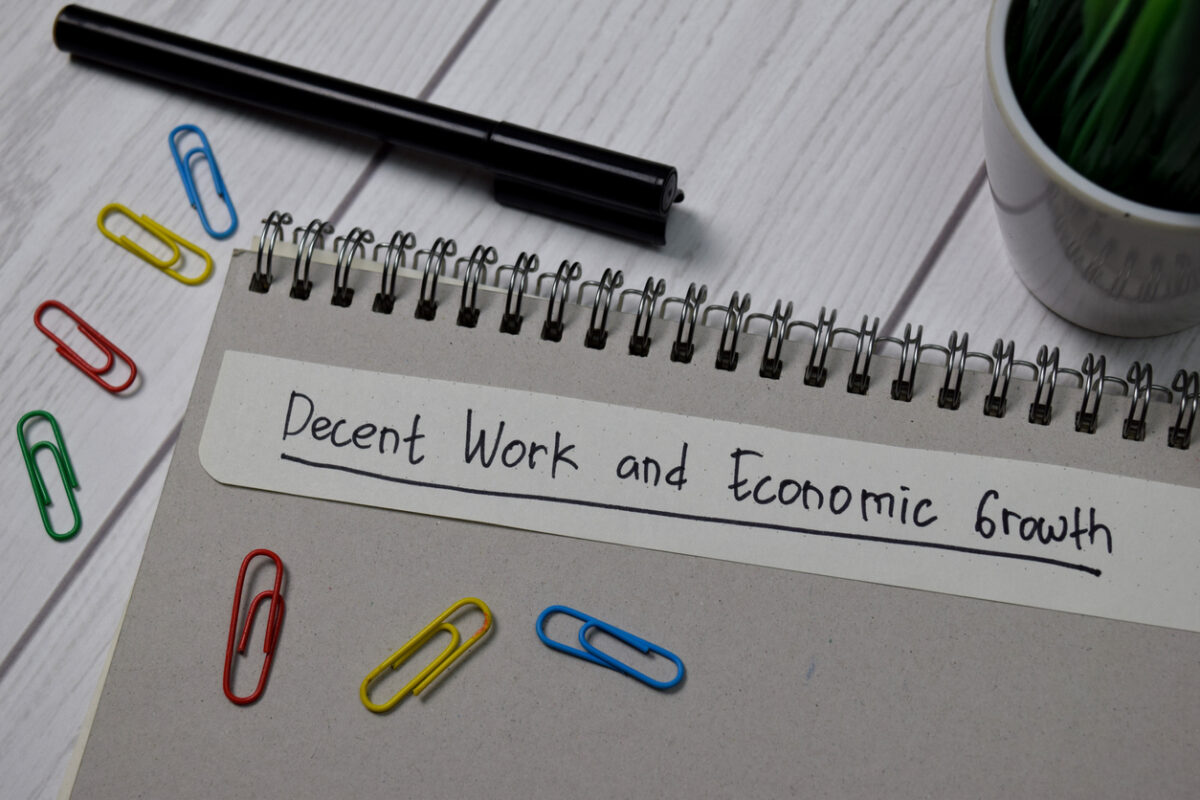
There is great potential for change in the United Nations’ Sustainable Development Goals (SDGs), especially Goal number 8. Sadly, even here “Decent Work” which includes the safety and health of workers (8.8) is shared with “Economic Growth”. As a result, it is often difficult to isolate the OHS components. A recent analysis of Australia’s ASX200 companies illustrates the problem.

Subscribe to SafetyAtWorkBlog to continue reading.
Subscribe Help
Already a member? Log in here

Can you vote for OHS?

Australia is in the last few weeks of its federal election. Because it is a national election and occupational health and safety (OHS) is almost totally regulated at the State and Territory level, workplace health and safety is rarely if ever mentioned directly in campaign pledges. However, OHS does have a political campaign context if one accepts that some workplace hazards are caused or affected by social and government policies.

Australian Labor Party

The Australian Labor Party’s suite of campaign policies includes several items that could reduce the mental anguish in the community, thereby encouraging people to take jobs and making applicants more attractive to employers but there are no direct pledges on OHS. It states in its “Secure Australian Jobs” policy that:

Subscribe to SafetyAtWorkBlog to continue reading.
Subscribe Help
Already a member? Log in here
Concatenate Web Development
© Designed and developed by Concatenate Aust Pty Ltd