
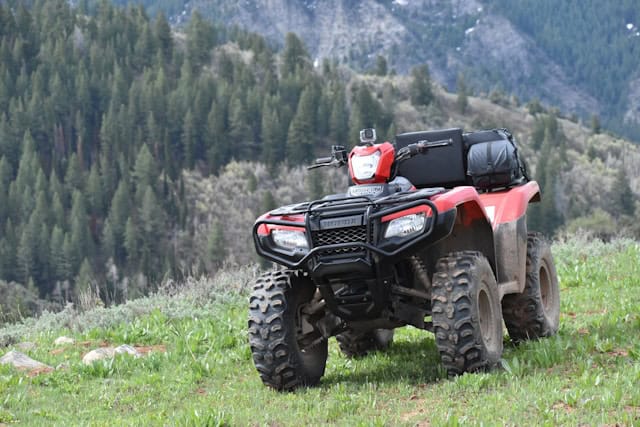
A recent occupational health and safety (OHS) prosecution over a quad bike fatality gained some mainstream media attention, primarily due to one of the owners being an independent New South Wales politician, Helen Dalton. Strip out the political newsworthiness, and there are some serious OHS lessons for all employers to be learned from the Court judgement.
Category: quad bike
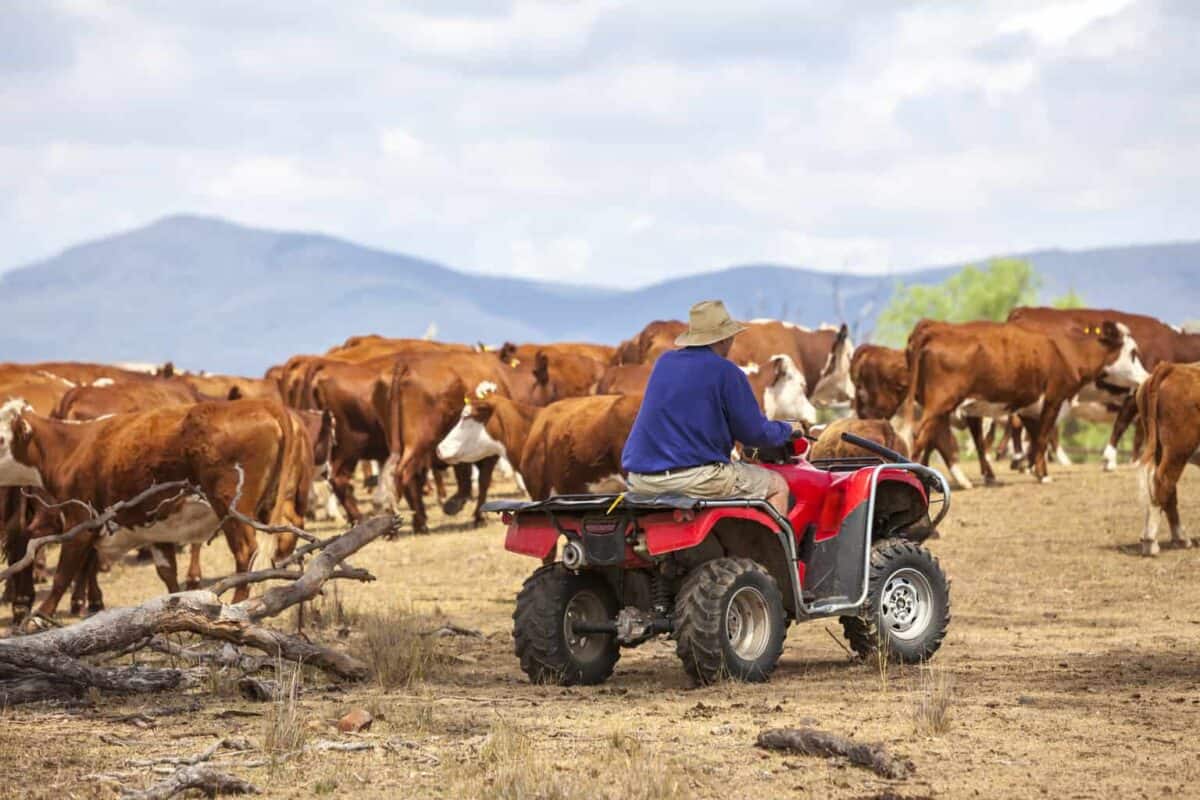
Why Quad Bike Safety Reform Keeps Stalling
Safe Work Australia’s (SWA) latest consultation on quad bike safety is another reminder that fatalities and serious injuries continue despite years of guidance, rebates, training campaigns and polite encouragement. The evidence laid out in SWA’s consultation paper shows that harm has persisted even after “extensive education and awareness efforts”, so voluntary approaches have reached their limit. When a hazard keeps killing people in the same predictable ways, the question is no longer whether we need stronger regulation but why it has taken so long to get there. This moment demands more than another round of messaging — it demands decisions that actually change the machines people ride and the conditions they ride them in.
Below is my submission to SWA’s consultation process on improving the safety of quad bikes used in the workplace. I strongly encourage everyone to participate.
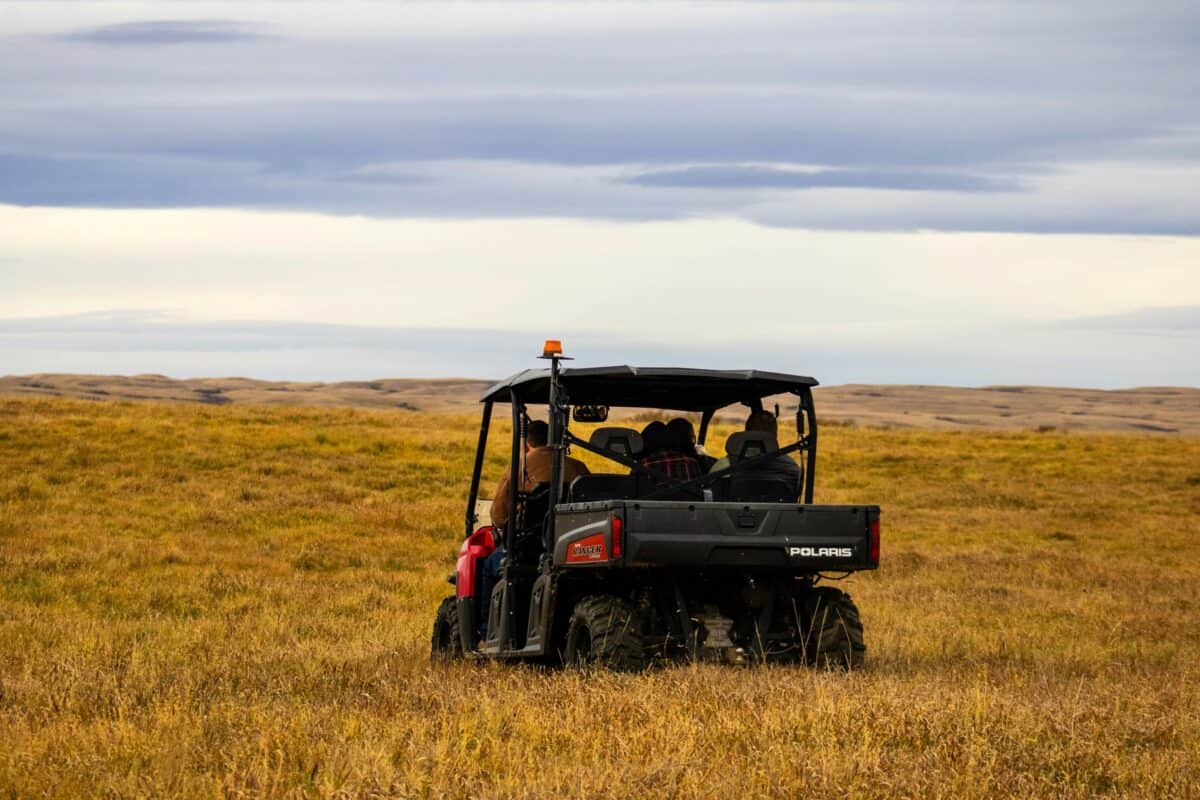
The Cultural Barriers Holding Back Farm Safety Reform
Agricultural safety has come to the fore in Australia and New Zealand over the last few weeks. Safe Work Australia (SWA) has commenced a public consultation on the safety of using a quad bike for work. It is quite revealing and limited.
The Quad Bike Death That Could Have Happened Any Year
Earlier this month, I was critical of occupational health and safety (OHS) and farmers and asked
“So what can WorkSafe teach them about safety that farmers don’t already know?”
The death of dairy farmer Brad Collins following an incident involving a quad bike is the type of death that could have occurred and been reported at any time over the last few decades. Surely, a change in the cultures of farming, safety, and enforcement is required? Are we at “peak safety” on the deaths of farmers from quad bikes? Can nothing more be done?
Audio summary on Quad Bike Safety
I have been writing about the safety of quad bikes and all-terrain vehicles for many years. The debate over quad bike safety was one of the most complex and vicious I have ever seen. In some minds, the issue has been resolved in Australia, but farmers continue to die from these vehicles.
Below is a brief 5-minute video about some of the OHS issues associated with these vehicles. I’d love to hear your thoughts on it, especially if you think a book about the issues would be worthwhile.
The audio will be available soon on the SafetyAtWorkBlog SoundCloud feed.
SafetyAtWorkBlog followed the quad bike safety saga, and dozens of exclusive articles are available for subscribers.
Reading behind the rows of Australia’s injury dashboard – farm fatalities or poor choices?
Australia now has a Rural Media Farm Injury Dashboard, which shows the location of agricultural injuries and deaths from 2020 onwards. This is the type of publicly available information required to help reinforce an awareness of the dangers of farm work and demystify and destigmatise occupational health and safety (OHS) in this sector.
There are limitations, though, so one must be careful not to hyperbolise the data.
Note: This article mentions suicide.
The Hidden Barrier to Safer Workplaces: Financial Literacy in OHS
Australia’s occupational health and safety (OHS) has improved over the decades. Yet, preventable injuries and fatalities persist—over 180 quad bike deaths since 2011, for example, with rollovers leading the charge. We have regulations, campaigns, and a national body in Safe Work Australia, but something’s still missing. Why aren’t workplace redesign efforts—like fitting rollbars on quads or rethinking production systems—more widespread? The answer might lie in a hidden barrier: the WHS profession’s shaky grasp of financial literacy, compounded by the stranglehold of financial underwriting models and capital market expectations. Maybe it’s time we admit that the safety game isn’t just about risk assessments—it’s about money, and we’re not playing it well enough.