Reopening challenges are more like manageable inconveniences

Many Australian workplaces will be reopening in the next few weeks.  Their productivity capacity will change, their workplaces, will change and their approach to, and understanding of, occupational health and safety (OHS) will need to change.  But there are signs that some business owners and employers are embracing risk and safety in this new operating climate but there are others who are either denying the changes needed, are struggling to think creatively, are ill-informed or are stupid.  Most of these realities were on display in a single edition of the Australian Financial Review (AFR) on May 8, 2020 (paywalled) – the primary source for this article.

The timing of the newspaper edition is important as it was published on the morning before the Prime Minister, Scott Morrison, and Chief Medical Officer, Brendan Murphy, revealed the decisions of the National Cabinet. A further blog article will be produced on those decisions shortly.

Lifts and Whinging

The AFR front page carried a short story called “Elevated risks in office lifts” that shows the deficiencies of several thought processes mentioned above.

Subscribe to SafetyAtWorkBlog to continue reading.
Subscribe Help
Already a member? Log in here

Workers and COVID19 survey

Last week the Australian Council of Trade Unions (ACTU) released some research into workers and COVID19. It is not peer-reviewed and there will certainly be much more research into the disruption and personal and occupational responses to the coronavirus disruption over the next few months. The survey results do not specifically analyse occupational health and safety (OHS) issues but there are clues to future considerations.

The media release, understandably, discusses the changed employment status or arrangements. The OHS hazards associated with precarious work are well-established and the survey illustrates the extent of precarity in Australian workplace, so mental health issues are going to come to the fore as government-imposed isolation continues and/or businesses reopen.

Subscribe to SafetyAtWorkBlog to continue reading.
Subscribe Help
Already a member? Log in here

Jail or Ruin? Is deterrence still effective?

This week Dr Rebecca Michalak wrote that penalties for breaches of occupational health and safety (OHS) laws need to be personal for people to understand the potentially fatal consequences at the work site or decisions that are made in the comfort of the boardroom. In this sentiment she echoes the aims of many who have been advocating for Industrial Manslaughter laws and also touches on the role of deterrence. But when people talk about Jail, are they really meaning Ruin? And do these options really improve workplace health and safety?

Subscribe to SafetyAtWorkBlog to continue reading.
Subscribe Help
Already a member? Log in here

Lessons from the US

The current COVID19 pandemic has presented businesses with a confusing risk challenge. Is the risk of infection a public health issue or an occupational health and safety (OHS) issue? The easy answer only adds to the confusion – it is neither and both.

In relation to epidemics and pandemics these are public health risks within which the OHS risks must be managed. In Australia, many of the OHS regulations and agencies were slow to provide the level of detailed guidance that employers were requesting and this was partly due to the regulators and agencies having to scramble together working groups and experts to rapidly produce such guidance. The situation in the United States offers a useful and reassuring comparison to how the Australian governments have responded but also offers OHS lessons for Australian employers.

Subscribe to SafetyAtWorkBlog to continue reading.
Subscribe Help
Already a member? Log in here

What of International Workers Memorial Day in 2020?

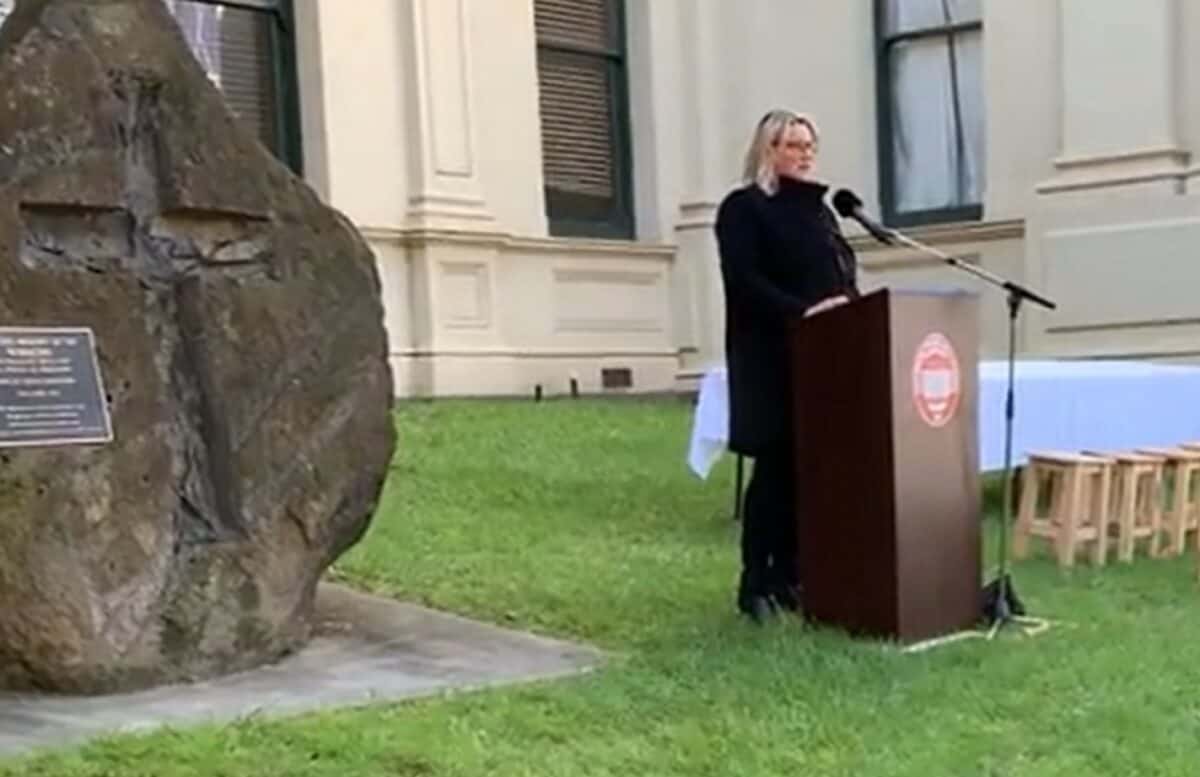
ILO’s World Day on Safety and Health at Work occurs each year on April 28. Events are centred around monuments and places in capital cities and towns, speeches about the importance of occupational health and safety (OHS) are made and symbolic gestures are given.

The World Day is intended to be an acknowledgement of the importance of OHS for all workers and people of all political stances. The aim is to focus on workplace deaths, and the practical actions to prevent those deaths, not the politics of those deaths, but far more prominence is given to the trade union movement’s International Workers Memorial Day held on the same day.

So how will these memorial days work in this year of COVID19?

Subscribe to SafetyAtWorkBlog to continue reading.
Subscribe Help
Already a member? Log in here

“So far as is reasonably practicable” is often used by scoundrels

On May 4, 2006, John Della Bosca advised the New South Wales Parliament:

“The Government will clarify that the general duties and obligations under the Act apply so far as is reasonably practicable. Ensuring the health and safety of employees will mean eliminating risks to health and safety so far as is reasonably practicable. Where it is not reasonable to eliminate a risk, employers will be required to reduce the risks to the lowest level reasonably practicable. Practical risk management does not require employers to go to extraordinary, unrealistic lengths, and never has. Rather, it requires the management of risks that are likely to affect health and safety over which the duty holder has a level of control. This is what the Government has always said, and it has always been Government policy. This is what it intends to enshrine in legislation to give greater certainty to both employers and employees.”

Della Bosca paints “so far as is reasonably practicable” (ASFAIRP) as an integral part of eliminating risks to health and Safety, and it is an integral part of OHS laws, but it is also a limitation, a condition and a concession in achieving safe and healthy workplaces and one that is drastically in need of a thorough independent review.

Subscribe to SafetyAtWorkBlog to continue reading.
Subscribe Help
Already a member? Log in here

Sexual harassment changes are percolating slowly

Discussion on the report into sexual harassment in Australian workplaces went missing last weekend which included International Women’s Day. March 8 generalised much of the discussion on the need for new approaches to feminism, wages and gender equity. This is not to say that organisations had forgotten about the National Inquiry’s Final Report or the occupational health and safety (OHS) context, but few were as blunt about the issue as broadcaster Virginia Trioli and workplace lawyer Liberty Sanger on ABC radio this week.

Subscribe to SafetyAtWorkBlog to continue reading.
Subscribe Help
Already a member? Log in here
Concatenate Web Development
© Designed and developed by Concatenate Aust Pty Ltd