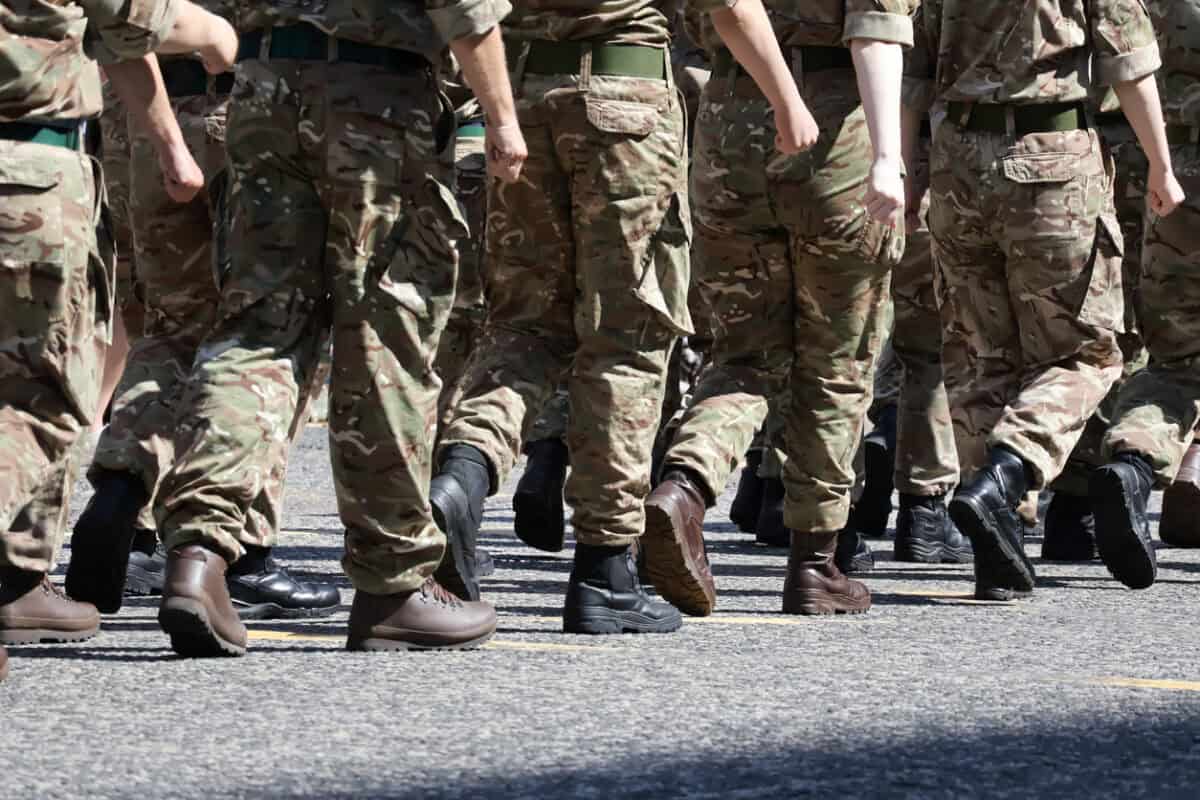
Reframing Military Misconduct as a Safety Failure

The goal of occupational health and safety (OHS) is to prevent harm. The goal of most people is to not hurt others with their actions. However, some industry sectors don’t seem to apply these goals, or they rationalise the harm they cause for various reasons, including the greater good, or a corruption of the greater good.

These industries often include those based on military management processes, such as command and control. The emergency services and defence forces are obvious examples. Over many years, the various emergency service organisations throughout Australia have been investigated for bullying, sexual harassment and toxic workplace cultures.

A new report from the United Kingdom seems to illustrate the lack of progress in that country’s military services.


Subscribe to SafetyAtWorkBlog to continue reading.
Subscribe Help
Already a member? Log in here

Boeing’s failures illustrate fundamental flaws in modern business values

Andrew Hopkins’ new safety and management book has landed. It is perhaps his most powerful critique of modern safety-related corporate management as he identifies “big picture” socioeconomic and political factors that directly affect executive decisions. By examining the 737 MAX aeroplane crisis of over 340 customer deaths that Boeing could have prevented, Hopkins discusses the hazardous managerial ideologies that have been idolised and are likely to be present in most companies created in the last 40 years.

The book has aviation in the title, but this is far more than a book about aeroplanes.

Subscribe to SafetyAtWorkBlog to continue reading.
Subscribe Help
Already a member? Log in here

Farmer who killed his three-year-old goes to jail

At the end of February 2025, a farmer in England was jailed for 12 months following a successful prosecution by the Health and Safety Executive. In 2022, the farmer, Neil Speakman, drove over his three-year-old son, Albie, in a telehandler that Speakman was not qualified to use and had restricted visibility. Speakman was jailed after he failed to ensure the health and safety of his son.

If this type of incident had happened in Australia, it is uncertain whether a farmer would receive a custodial sentence because the community may feel that the farmer and their family would have “been punished enough” by the loss of their child. Why can England do what Australia resists?

Subscribe to SafetyAtWorkBlog to continue reading.
Subscribe Help
Already a member? Log in here

OHS advice for new businesses

It is legitimate to not know something, but choosing not to know something is inappropriate, especially about something you are meant to be knowledgeable about, like occupational health and safety (OHS).  Governments rarely provide sufficient information about people’s OHS obligations when creating and building a business.  Preloading a person with OHS information should reduce the likelihood of an “I didn’t know” excuse when (if?) a workplace incident occurs.

A UK labour law firm, Lewis Silkin, recently published its latest “Compliance requirements for new employers in Great Britain”, which may close the OHS knowledge gap.

Subscribe to SafetyAtWorkBlog to continue reading.
Subscribe Help
Already a member? Log in here

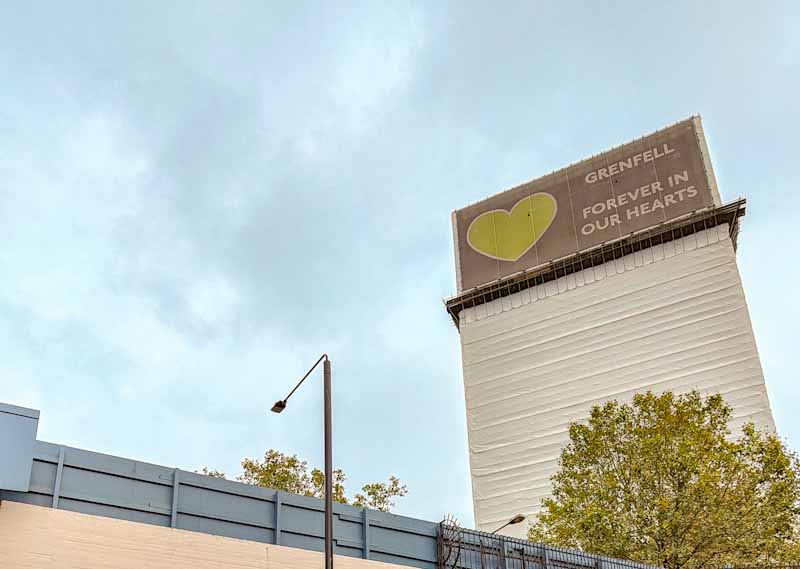
“…the system isn’t broken. It was built this way” – Grenfell Tower and OHS

The inquiry report into the Grenfell Tower fire has yet to be seriously considered from the other side of the world. However, the report is being mentioned in Australia’s emergency services and fire sectors.  The inquiry has been thoroughly followed and analysed in the United Kingdom, and many excellent summaries have been published in newspapers, books, and podcasts. Australia’s cladding debate has not been to the same extent as the UK. Still, the UK’s structures, policies, processes, business ethics and neglect are certainly mirrored in Australia, which directly impacts how workplace health and safety operates here.

Subscribe to SafetyAtWorkBlog to continue reading.
Subscribe Help
Already a member? Log in here

The immediate future of OHS in the UK

Later this week, the United Kingdom hosts an election which the Labour Party, the “party of working people,” is expected to win. Its party manifesto has been out for some time, but its workplace strategy has received less attention. Given the synergies between the UK and Australian industrial relations and occupational health and safety (OHS), Labour’s Plan to Make Work Pay, deserves an outsider’s analysis.

Subscribe to SafetyAtWorkBlog to continue reading.
Subscribe Help
Already a member? Log in here

A broad perspective on Work, OHS and Mental Health

A whole generation of workers has grown up believing that if they are having a hard time at work, if they are not coping with the workload or the sexual advances of their boss, or their difficult workplace, or the discrimination they feel about their gender or their sexuality, that it’s their fault, and it’s their problem, and therefore, it’s their role to solve and fix it. But there were generations before the current one, and I’m from one of those earlier generations. When I started work, there was good work and safe jobs, and there were social movements for women’s rights, and then gay rights and dignity at work, and respect at work. It was far from a paradise, but there was exciting progress and lively, challenging debates and social protests. A little of that passion has returned this decade, but more is needed.

Subscribe to SafetyAtWorkBlog to continue reading.
Subscribe Help
Already a member? Log in here
Concatenate Web Development
© Designed and developed by Concatenate Aust Pty Ltd