Corporate burnout and expecting too much

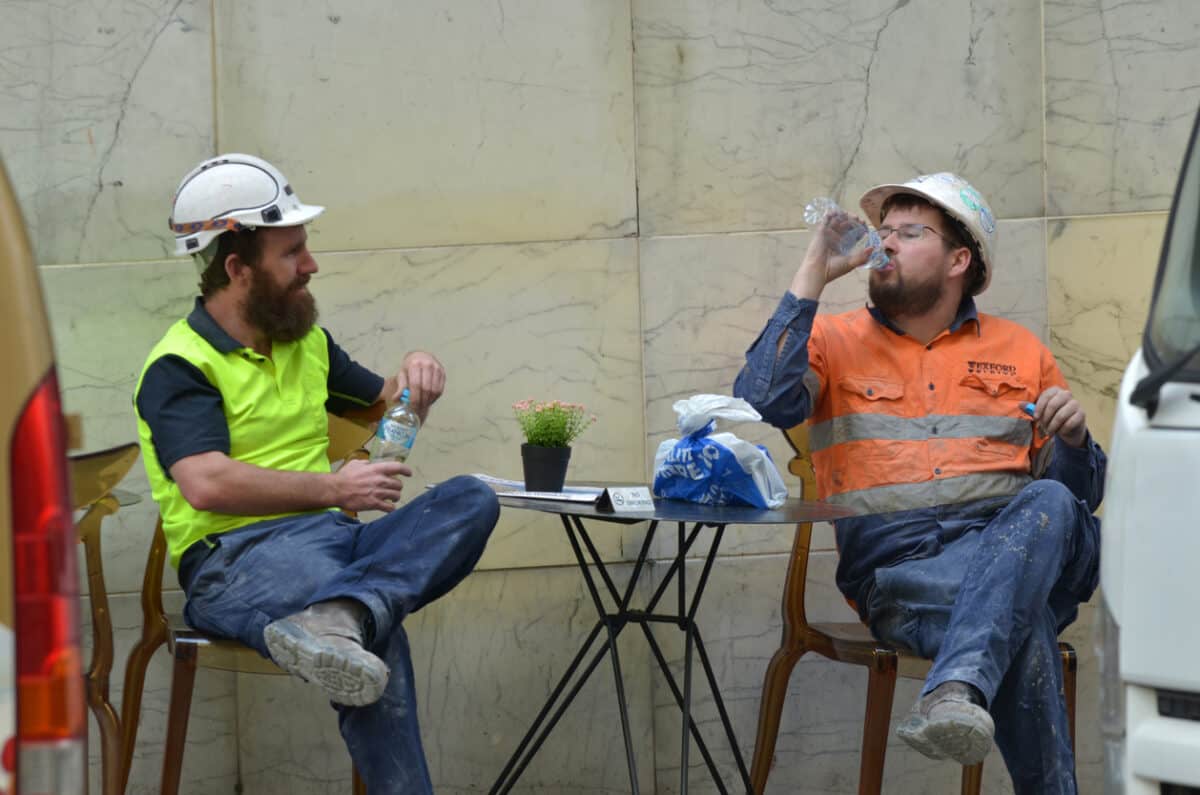
The Banyan Health Group issued a media release about company executives experiencing burnout in support of Psychology Week. I put some questions to the Group’s media contact from the occupational health and safety (OHS) perspective. The contact said that the Banyan Health Group members did not think they were best placed to answer the questions. [They have since chosen to respond and that supplementary article is available HERE]

That’s perhaps understandable, but we know that work-related mental health problems require a multi-disciplinary response involving personal and structural interventions as individual, social, and organisation factors contribute to poor mental health, of which burnout is part. Organisations that put themselves out there as subject matter experts and corporate workplace service providers to business should be able to respond to challenging questions. Below are statements from Banyan’s media pack and my questions.
Subscribe to SafetyAtWorkBlog to continue reading.
Subscribe Help
Already a member? Log in here

Progressive report on construction industry culture

An analysis of the safety culture in Australia’s construction industry was launched in October 2021 by a coalition of construction companies under the Construction Industry Culture Taskforce rubric. The Report proposes some interesting and significant changes including capping the working hours to no more than 50 hours and no weekend work. This suggestion is of enormous significance as it challenges the statements of many construction companies of worker safety being their highest priority.

Subscribe to SafetyAtWorkBlog to continue reading.
Subscribe Help
Already a member? Log in here

WorkSafe Victoria’s new Mental Health Strategy is good but constrained

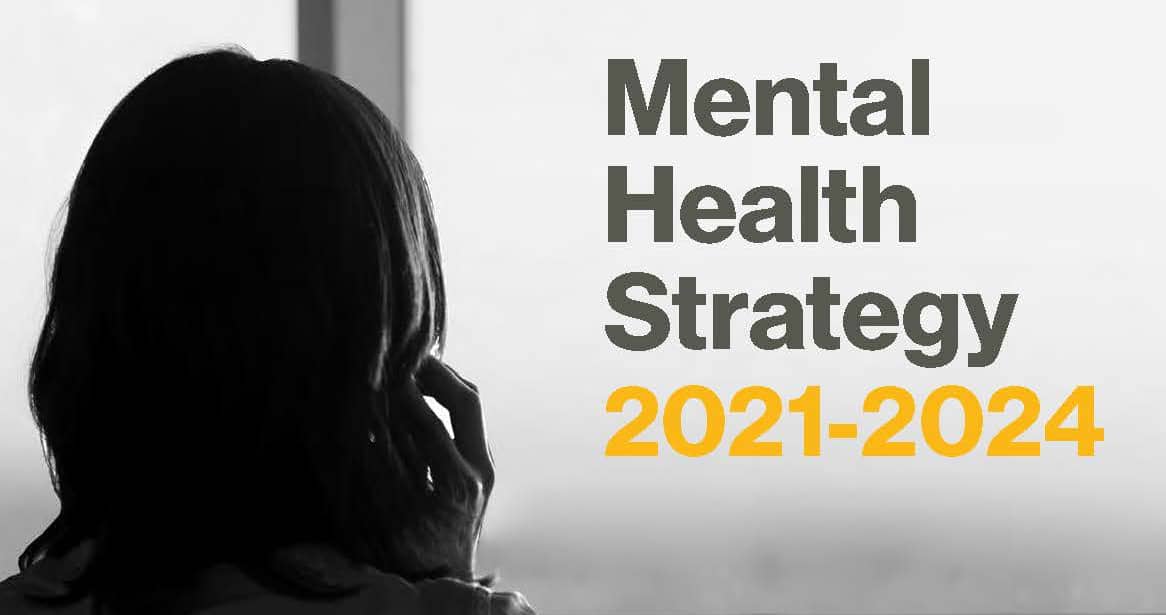
WorkSafe Victoria has launched a “Mental Health Strategy” aimed at preventing mental health at work. It is a good strategy that is hampered by its jurisdictional constraints. There is plenty of evidence on the causes of mental ill-health at work and what is required to prevent this hazard. Many of these controls exist outside the workplace, beyond the realm of any one government organisation, so it is disappointing that the Victorian Government did not release a Statewide mental health plan, especially as it has a Minister for Mental Health in James Merlino.

Subscribe to SafetyAtWorkBlog to continue reading.
Subscribe Help
Already a member? Log in here

Diagnosis is the key

Part 2 of 2

Safe Work Australia (SWA) has reported on “mental health conditions” in its latest report on workers compensation claims and that these conditions represent 9% of claims for the 2018-2019 period (page 20). Claims have also increased in this category from 6,615 in 2000-2001 to over 10,000 in the latest data period. Mental health conditions are described elsewhere by SWA as affecting non-physical bodily locations (page 38).

As with many other reports, “mental health conditions” are not defined, but SWA states that this phrase is an alternative to “psychological injuries”. It also gives a numerical and dollar value to these conditions:

Subscribe to SafetyAtWorkBlog to continue reading.
Subscribe Help
Already a member? Log in here

Ageing and Decent Work report

A recent academic commentary on “Aging and the Future of Decent Work”* by many international researchers contains some interesting thoughts on employer obligations and health promotion.

The report makes some specific comments about the effectiveness of health promotion programs for older workers:

Workplace health promotion programs may encounter obstacles that impede desired results. For example, employers are generally not obliged to promote employee health in the same way they are required to address workplace safety. Lack of resources, management resistance, and employee reluctance to change behaviors are common barriers to program success. The literature on health promotion interventions targeting older workers is sparse but suggests the effectiveness of such programs may be limited and may vary depending on the focus of the intervention.

page 3
Subscribe to SafetyAtWorkBlog to continue reading.
Subscribe Help
Already a member? Log in here

Job insecurity and OHS solutions

As well as featuring in a workplace psychology podcast Professor Tony LaMontagne spoke at the current Senate Select Committee on Job Security in Australia and made a submission that provides evidence of the connection between job insecurity and poor mental health. This strengthens the argument that the prevention of mental health at work (and maybe elsewhere) could be more sustainably achieved by structural and economic policies and practices outside of the direct control of employers.

LaMontagne’s submission (written with Dr Tania King and Ms Yamna Taouk) says:

Subscribe to SafetyAtWorkBlog to continue reading.
Subscribe Help
Already a member? Log in here

Anonymous reporting in Victoria’s legal sector

Industry groups and employers should accept the reality of their occupational health and safety (OHS) duties, especially concerning sexual harassment. Recently the Victorian Legal Services Board (VLSB) launched an online complaints service for lawyers. According to the September 16, 2021, media release, the service:

“…enables both targets and witnesses of sexual harassment to report what happened, where, when and to whom. Reporters can provide as much or as little detail as they feel comfortable”

The attraction of this service is that one would expect such a service from a legal services board to be spot on with its legal and privacy, and human rights obligations. But then, that comes from a non-lawyer.

Subscribe to SafetyAtWorkBlog to continue reading.
Subscribe Help
Already a member? Log in here
Concatenate Web Development
© Designed and developed by Concatenate Aust Pty Ltd