The Safety Institute of Australia (SIA) is making serious efforts to increase its relevance to Australia’s occupational health and safety (OHS) profession and the broader community. Around International Women’s Day, the SIA released a media statement calling for action on workplace bullying, harassment and abuse.
Category: wellness
The reality is all about perception
Occupational health and safety (OHS) policy makers are keen on making decisions based on evidence. But evidence seems hard to get, for many reasons.
Some people, including those in workplace relations and OHS, often fill the evidence gap with “anecdotal evidence”. Frequently people being interviewed are asked for evidence to substantiate their claims and respond that “anecdotally” there is a problem yet there is no sample size for this evidence, there is no clarity or definition of the incident or issue – it is simply “what I heard” or “what I’ve been told”. Using anecdotal evidence is okay as long as its inherent uncertainty is acknowledged and it is not used as a basis for substantial change.
When workplace behaviour becomes insidious
In previous writings about gender and occupational health and safety (OHS), the work of Jerald Greenberg was mentioned, particularly his book “Insidious Workplace Behaviour”. His perspective seems even more pertinent today as many of us are weaving our way cautiously through communications and interactions with our work colleagues as we clarify what is acceptable behaviour so as to avoid offence or accusations of bullying and sexual harassment.
SafetyAtWorkBlog’s position is that sexual harassment is part of OHS and safety management systems due to the potential physical and psychological harm, in a similar way that bullying became an OHS concern.
Greenberg researches organisational behaviour and has written about corporate misdeeds and misbehaviour but he identified many precursors to some of these incidents. Continue reading “When workplace behaviour becomes insidious”
Two new audio readings
Several past SafetyAtWorkBlog articles have been posted in SoundCloud as audio files. One article is a reading of two articles from last year about Queensland’s industrial manslaughter laws.
The other reminds us that sexual harassment and sexual assault did not appear in relation to Harvey Weinstein accusations. The Australian Human Rights Commission report into sexual assault on university campuses provides an additional context to sexual harassment and workplace health and safety.
Both articles are also available below:
Industrial Manslaughter
Sexual Assault in Universities
New workplace wellbeing report is what it is
Converge and Reventure launched their latest research report into workplace wellbeing on 23 November 2017. The report, not yet available online, is based round a survey of just over 1000 Australians comprising over 80% full-time or part-time employees, The report has been produced as a guide for businesses and may be of some interest to health and safety people but is of limited application.
Definition
Most research reports include a clear statement of the aim of the research or a definition of the concept being investigated.
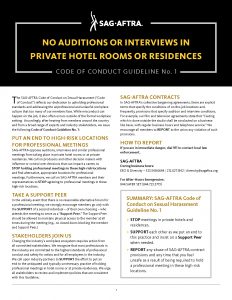
What do Weinstein, Spacey and others have to do with OHS?
“Then I went, ‘Oh hang on, I’ve normalised so much of this as part of my industry…. This last three months has really made us all take a long hard look at what we have even let ourselves think is acceptable.” – Sacha Horler
Such a statement is familiar to those working in the field of occupational health and safety (OHS). This normalisation, or habituation, has underpinned much of the discussion of what builds a safety culture – “the way things are done round here”. As a result of revelations and accusations pertaining to Gary Glitter, Rolf Harris, Jimmy Saville, Robert Hughes, Harvey Weinstein, and Kevin Spacey, the entertainment industry around the world has been forced to assess the fundamental ethics on which sections of its industry are based. Continue reading “What do Weinstein, Spacey and others have to do with OHS?”
Can flexible work arrangements apply in the construction sector?
On 30 October 2017, the Safety Institute of Australia and RMIT University held their annual OHS Construction Forum. This year’s theme was flexible working arrangements – a brave choice that did not really work but was indicative of safety in the construction industry generally.
Several speakers discussed well-being generally and how flexible working arrangements were critical to fostering an appropriate level of wellness. One, a labour lawyer, outlined the legislative obligations that companies have to those types of arrangements with reference to equal opportunity laws, industrial relations and anti-discrimination obligations – sadly the workplace safety laws and obligations were not mentioned. In all of the wellbeing-themed discussions, the application to the on site construction workers was rarely, if ever, mentioned.