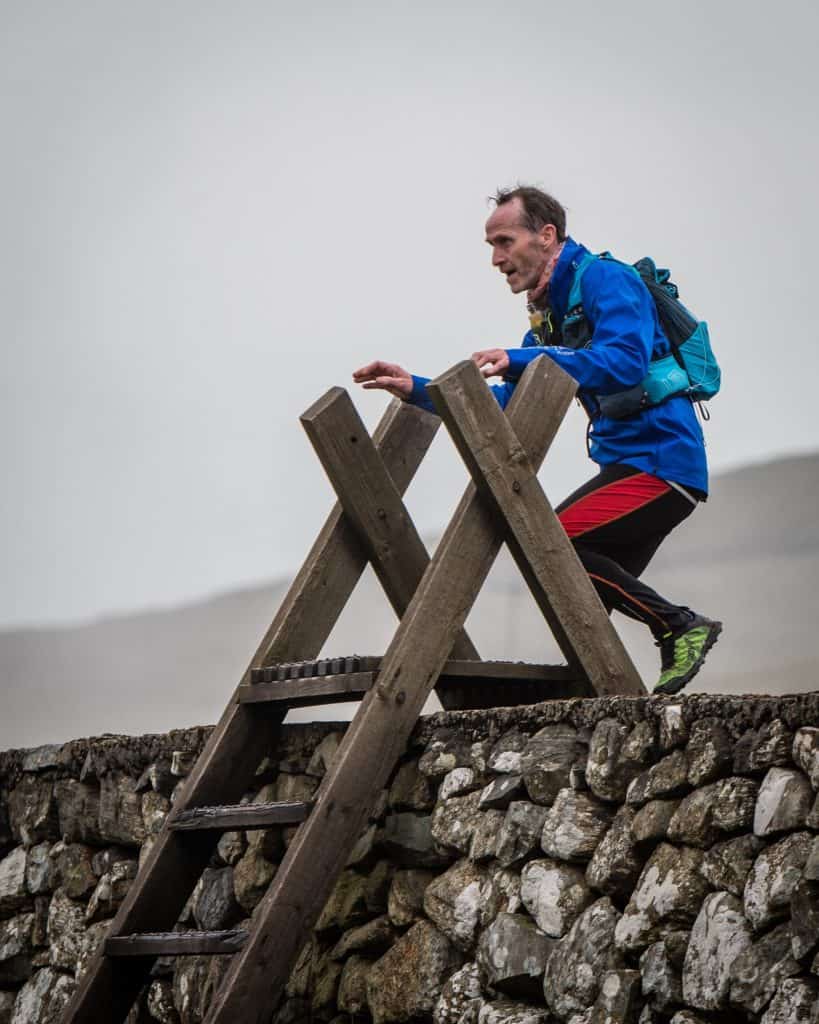
OHS and Ciaran McAleenan

Running the Denis Rankin Round (24 hour challenge – covering 90km and 6500m in ascent)

Dr Ciaran McAleenan CEng MICE is the Chair of Institution of Civil Engineers Expert H&S Panel and Lecturer at Ulster University. Ciaran and I have been reading each other for some time and watching many of the same occupational health and safety (OHS) changes. He admitted that some of the questions were challenging, the simplest of questions often are, especially if you have to write down your thoughts.

This series of articles aims to humanise some of the people working in and for OHS. Often we hear or read or, if we are lucky, meet OHS people but rarely get to chat or ask more personal questions. Below are Ciaran’s illuminating answers

How did you get into Health & Safety?

I guess it’s been in my blood from a young age. At 15 I was a qualified life guard and instructor. And since early 20s I have been in civil engineering where I always held that anything I designed should not cause harm. Although initially I probably never thought of things as health and safety. It all just seemed like something that was normal and needed. Later on (maybe early to mid-90s) it became obvious to me that it wasn’t natural and normal for everyone and my inner-educator was released. Since then I have been developing new OHS strategies writing, publishing and teaching. It’s a serious subject but it should also be fun, since the upside to good OHS is enhanced family life and good physical and mental health.

Continue reading “OHS and Ciaran McAleenan”
Great loss, but no vision and limited interest

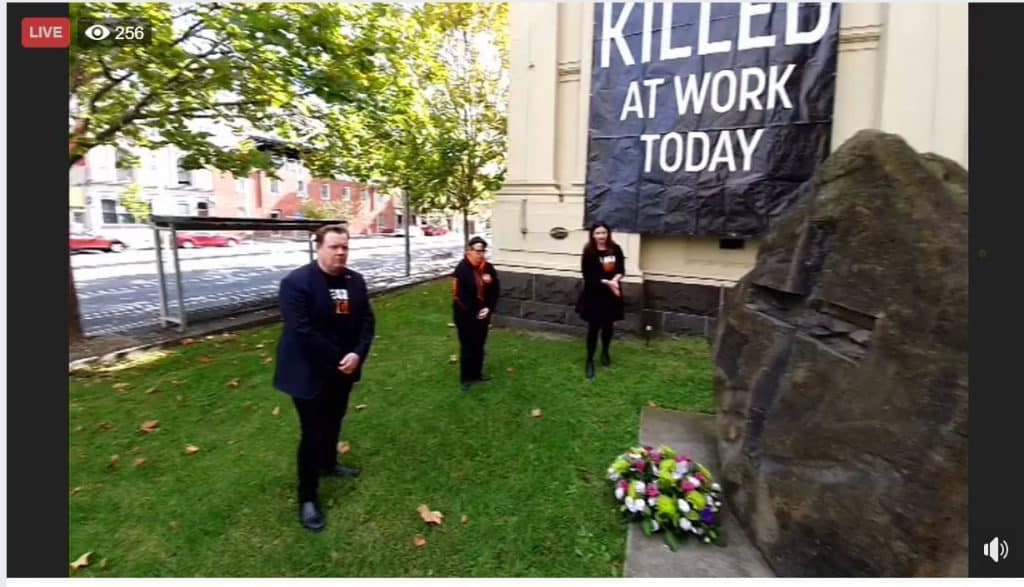
This year’s International Workers Memorial Day/World Day for Safety and Health at Work is over. Many of the memorial events were conducted online and many gave healthcare workers prominence, especially in the United Kingdom. SafetyAtWorkBlog watched the online service conducted by the Victorian Trades Hall.

Many worker memorials are little more than a reiteration of the importance of occupational health and safety (OHS) laws. If the ceremonies are conducted by trade unions, as most are, they are usually advocating for the role of Health and Safety Representatives (HSRs). This year’s Victorian ceremony was typical. However, there were some curiosities and such ceremonies can, and should, be more than just a commemoration.

Subscribe to SafetyAtWorkBlog to continue reading.
Subscribe Help
Already a member? Log in here

OHS and Lisa Stevens

Lisa Stevens is an Australian OHS professional who specialises in laboratory and chemical safety through her own company.

Lisa is the latest in this series of profiles intended to humanise those who are interested, or active, in workplace health and safety

How did I get into Health and Safety?

My first taste of health and safety was working in the Dept of Labour and Industry (SA) many years ago as a casual clerk. Five years later I was managing the medical record department for a large psychiatric hospital, when I  was asked to provide training for nurses who were undertaking return to work programs in the department. I wanted to know more about developing return to work programs , and the only available was a subject within the Diploma of OHS (and I am talking about the pre-competency based training era!!)

Continue reading “OHS and Lisa Stevens”

Sizzle but no steak

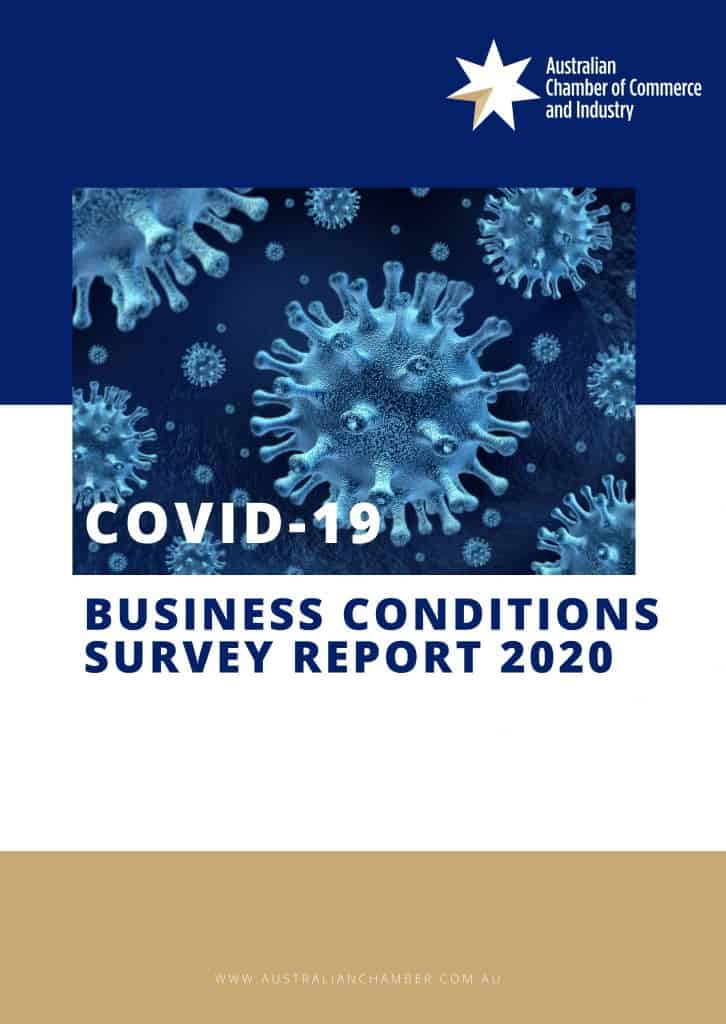
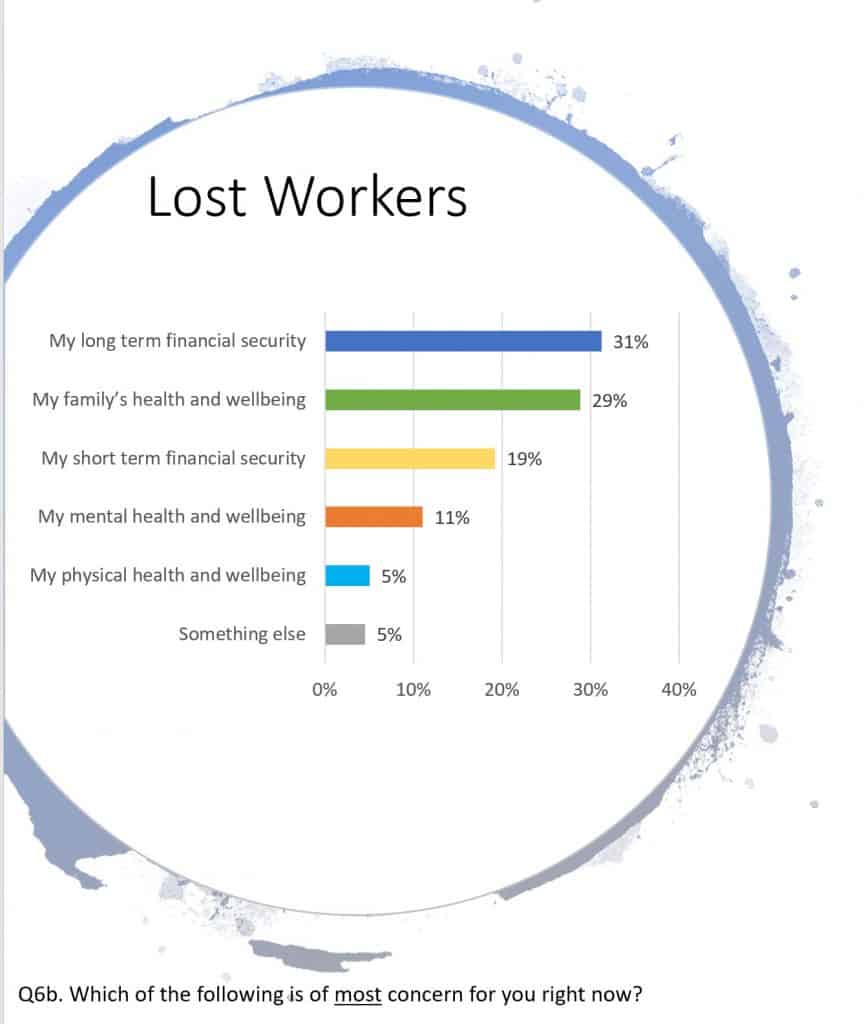
The COVID19, business disruption surveys keep coming. This time from the Australian Chamber of Commerce and Industry (ACCI). On 25 April 2020 released its Business Conditions Survey Report 2020. which was

“… undertaken between 30 March and 17 April, and involved 1,497 businesses across all states and territories.

This overlaps the April 9 survey by the Australian Council of Trade Unions which had a similar sample size and data limitations.

Subscribe to SafetyAtWorkBlog to continue reading.
Subscribe Help
Already a member? Log in here

Gender, OHS and Checklists

The topicality and importance of many issues highlighted in early 2020 have disappeared. One of them was the issue of sexual harassment in the workplace and Libby Lyons, Director of the Workplace Gender Equality Agency, has released the speech she intended to give at the, now cancelled, Commission on the Status of Women meeting at the United Nations. Lyons said this about sexual harassment and employers:

Subscribe to SafetyAtWorkBlog to continue reading.
Subscribe Help
Already a member? Log in here

Workers and COVID19 survey

Last week the Australian Council of Trade Unions (ACTU) released some research into workers and COVID19. It is not peer-reviewed and there will certainly be much more research into the disruption and personal and occupational responses to the coronavirus disruption over the next few months. The survey results do not specifically analyse occupational health and safety (OHS) issues but there are clues to future considerations.

The media release, understandably, discusses the changed employment status or arrangements. The OHS hazards associated with precarious work are well-established and the survey illustrates the extent of precarity in Australian workplace, so mental health issues are going to come to the fore as government-imposed isolation continues and/or businesses reopen.

Subscribe to SafetyAtWorkBlog to continue reading.
Subscribe Help
Already a member? Log in here

Deaths of Health Care workers from COVID19

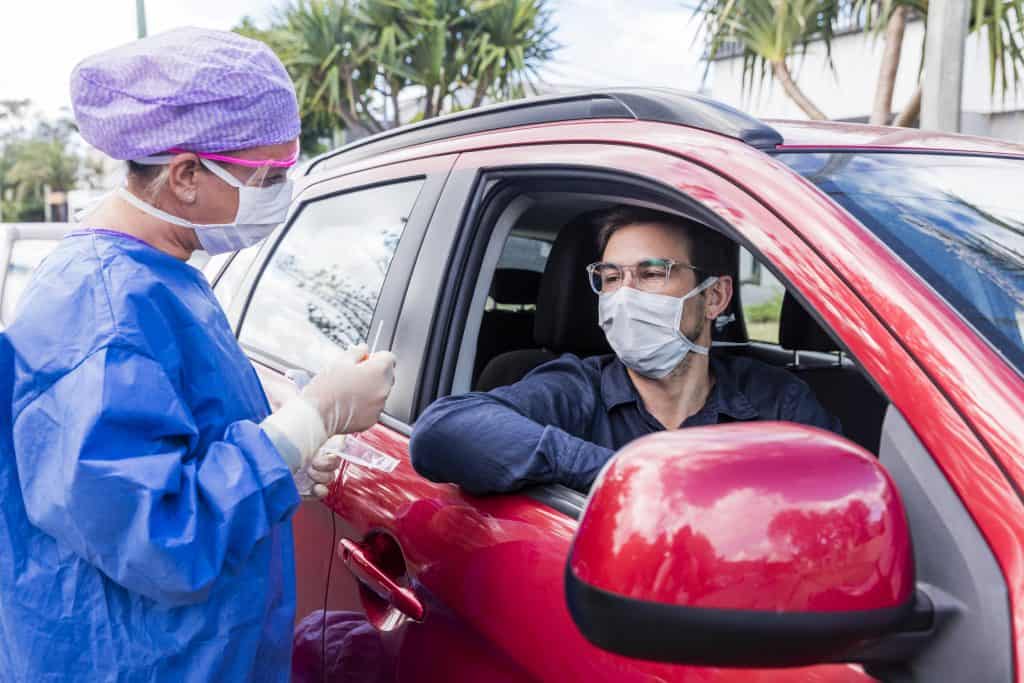
A doctor in a protective suit taking a nasal swab from a person to test for possible coronavirus infection

The theme for most commemorations on April 28 is the COVID19 pandemic. This is understandable as the pandemic has disrupted lives and economies globally and many people have died. Perhaps the most tragic of these deaths are those of medical and healthcare staff who have contracted the infection through their work. The largest public outrage over this situation has been in the United Kingdom, but a similar situation could easily have occurred in Australia, New Zealand and elsewhere if those governments had not acted as quickly as they did or were less better prepared.

Some research has already commenced on healthcare worker infection deaths showing important initial clues on how governments, hospitals and medical employers can do better.

Subscribe to SafetyAtWorkBlog to continue reading.
Subscribe Help
Already a member? Log in here