
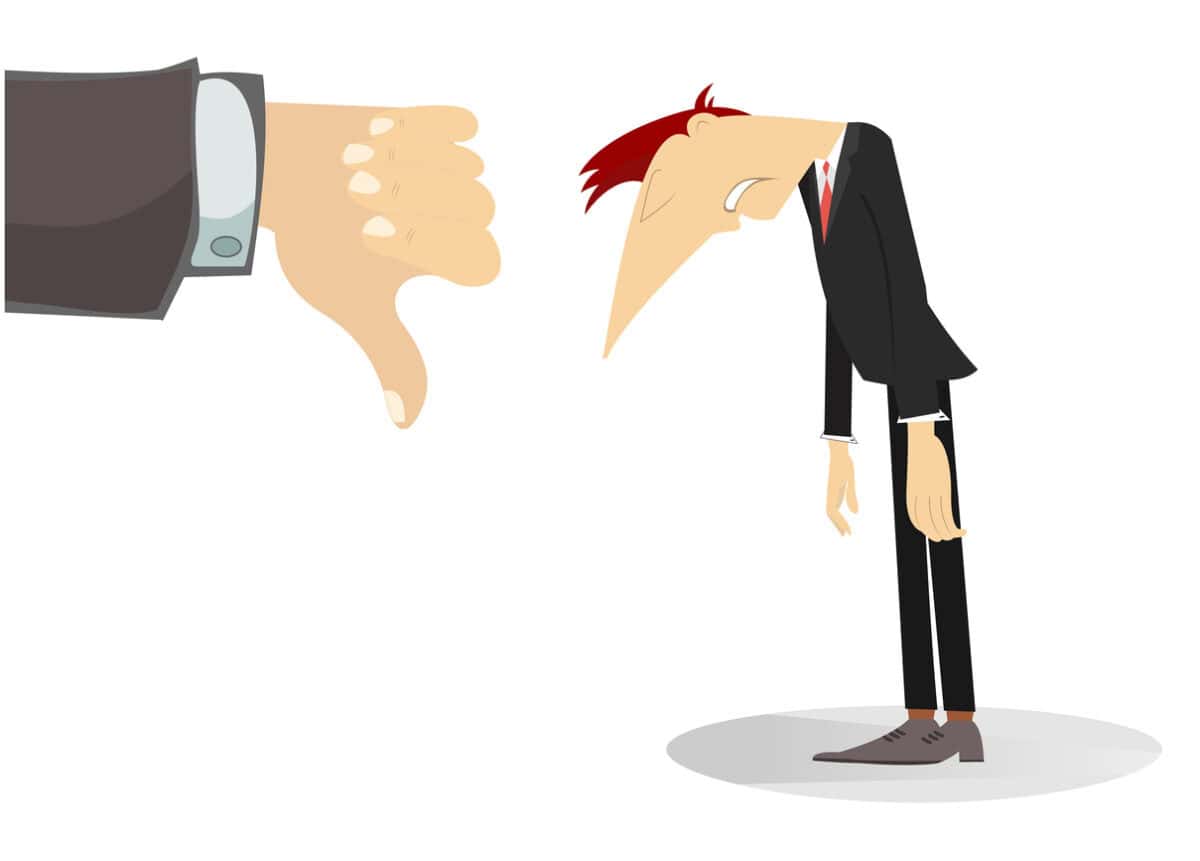
I have been humiliated many, many times over my 60+ years, but rarely at work. The last time was when a manager discussed my competence in my occupational health and safety (OHS) adviser’s job in front of my colleagues. I came to a workable relationship with him, but I have never forgotten. It pushed me to complete the most minimal OHS qualification available in Australia, a Certificate IV in OHS. This is my memory of that humiliation and the CertIV experience.

Workplace Suicides Becoming Australia’s Next Regulatory Flashpoint
You should have heard by now that Safe Work Australia (SWA) has come through with guidance on having work-related suicides included in each jurisdiction’s occupational health and safety (OHS) legislation as incidents that will require notification to the local OHS regulator. If you haven’t, get a new OHS or Human Resources (HR) adviser because the future will be a bumpy, uncomfortable and challenging ride.
Warning: this article discusses suicide.
Working Hot and Thinking Smart
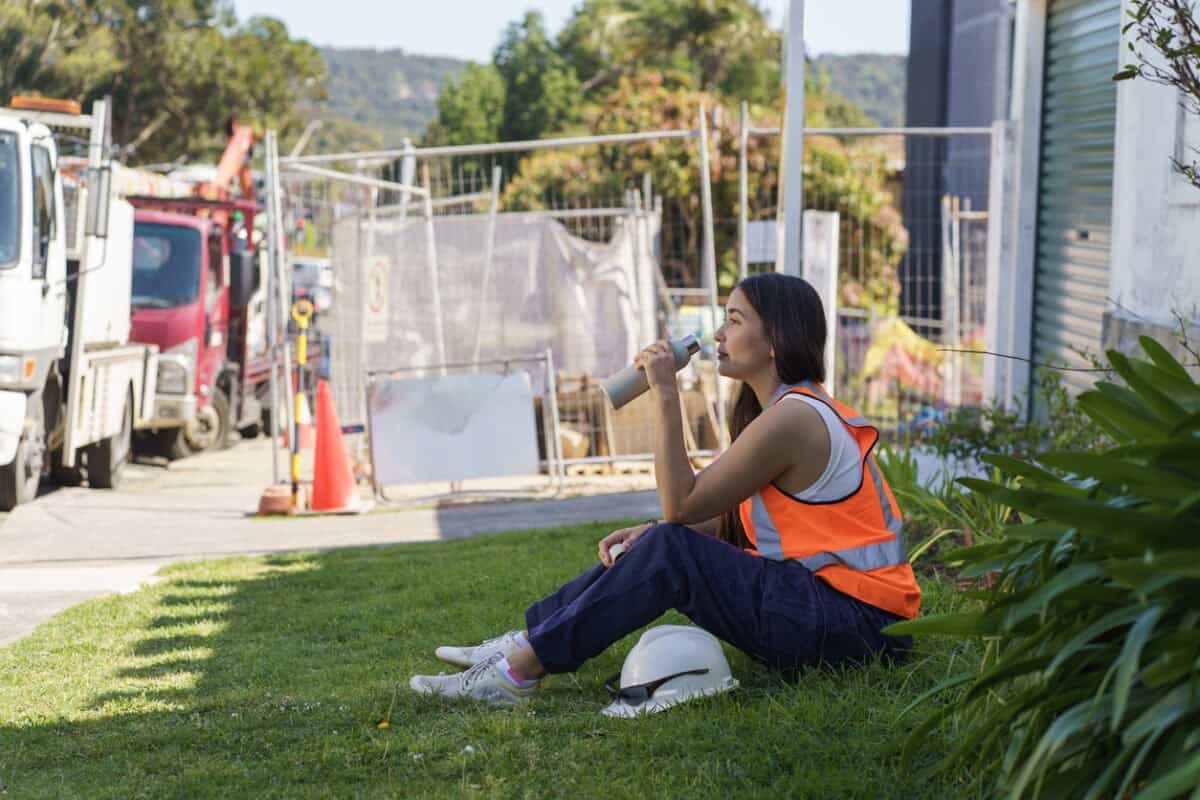
In 2021, Safe Work Australia released a model Code of Practice (CoP) for Working in Extreme Heat. The latest iteration of that code was released by the Australian Capital Territory on November 7, 2025. It is greatly expanded and much clearer on the prevention and management of exposures. When companies are claiming “best practice” safety, this CoP is particularly interesting.

What changes does Leadership Require
In the landscape of occupational health and safety (OHS), executive leadership is often framed through the lens of compliance. However, as I and others have long argued, the law is the minimum; leadership must aim higher. Across hundreds of SafetyAtWorkBlog articles, a consistent theme emerges – safety leadership must evolve from bureaucratic oversight to moral accountability.
Continue reading “What changes does Leadership Require”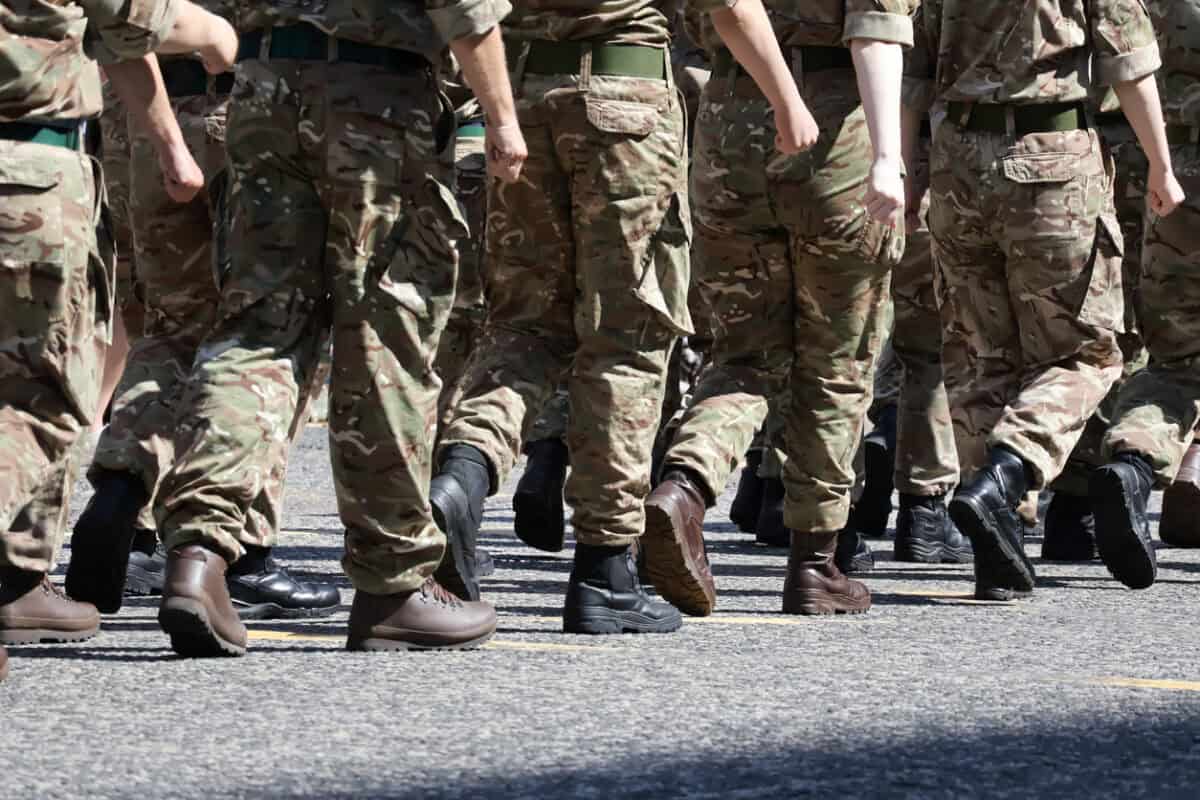
Reframing Military Misconduct as a Safety Failure
The goal of occupational health and safety (OHS) is to prevent harm. The goal of most people is to not hurt others with their actions. However, some industry sectors don’t seem to apply these goals, or they rationalise the harm they cause for various reasons, including the greater good, or a corruption of the greater good.
These industries often include those based on military management processes, such as command and control. The emergency services and defence forces are obvious examples. Over many years, the various emergency service organisations throughout Australia have been investigated for bullying, sexual harassment and toxic workplace cultures.
A new report from the United Kingdom seems to illustrate the lack of progress in that country’s military services.

A Notable Omission in Burnout Talk
A recent radio/podcast discussion about burnout was instructional and frustrating. The November 7, 2025, episode of This Working Life was based on interviews with organisational psychologist Ben Searle and clinical psychologist Luke Martin about workplace burnout.
Safety Behaviour – Beyond Compliance in the Modern Workplace
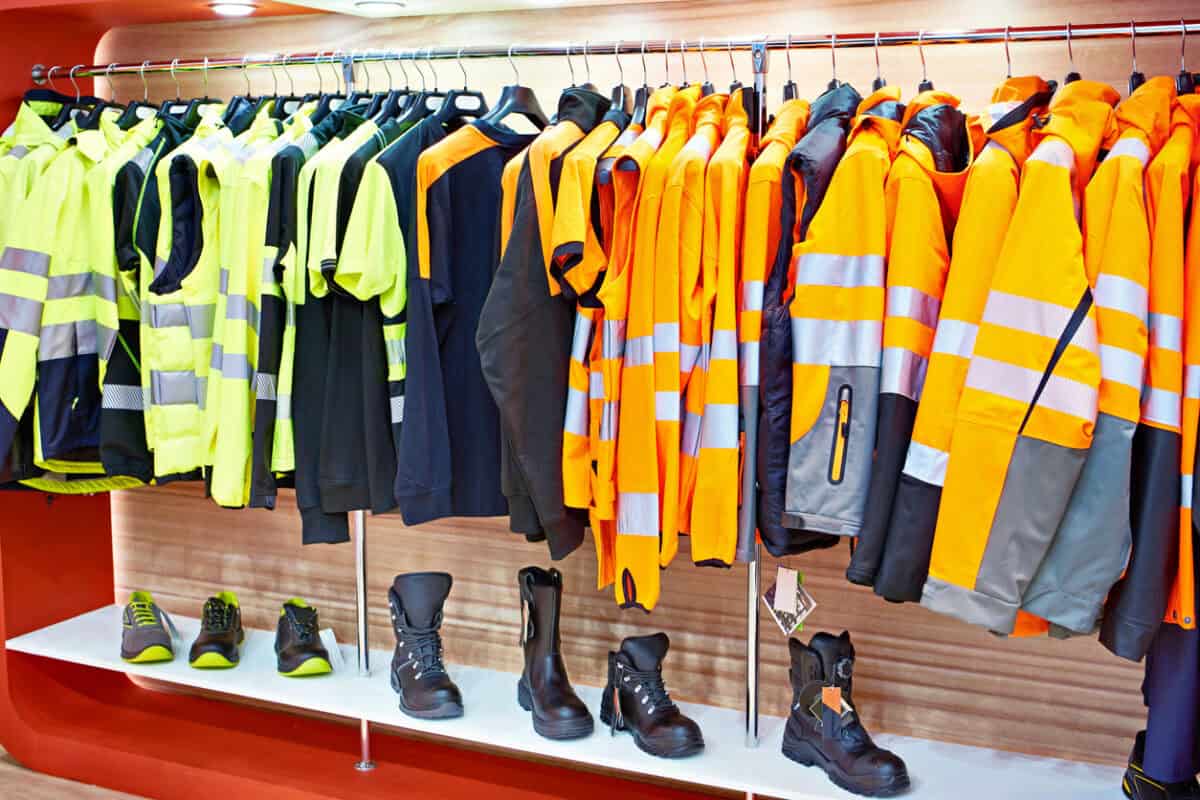
Safety behaviour is often discussed in terms of compliance—whether workers follow procedures, wear protective equipment, or report hazards. Yet, this view only scratches the surface of what safety behaviour truly means in today’s complex organisational environments. At its core, safety behaviour encompasses the observable actions and decisions individuals make that either promote or compromise health and safety. These actions are shaped not just by rules, but by a rich tapestry of social norms, leadership expectations, and the perceived consequences of speaking up or staying silent.